How Long Does It Take to Learn Coffee Latte Art?
If you’ve ever watched a barista pour a flawless heart or tulip into a latte and thought, ‘I want to do that,’ you’re not alone. Learning coffee latte art isn’t just about making your morning coffee prettier—it’s a skill built on fundamentals, muscle memory, and a lot of repetition. But how long does it really take to go from zero to pouring competition-level designs?
In short: with guidance, you can learn basic shapes like hearts, leaves, and tulips in about a week. But to reach the level of a champion—like China’s Latte Art Champion Huang Yan—you’ll need to pour around 200 drinks a day for years, refine techniques through trial and error, and log countless hours of deliberate practice.
What Is Latte Art, Really?
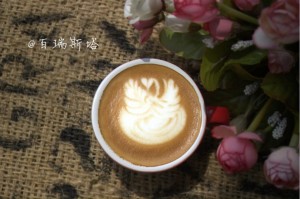
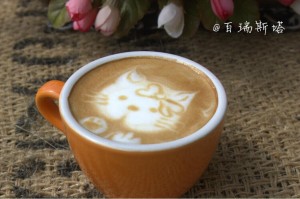
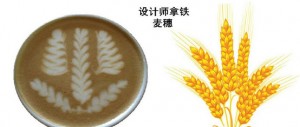
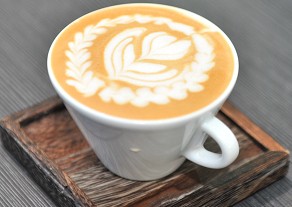
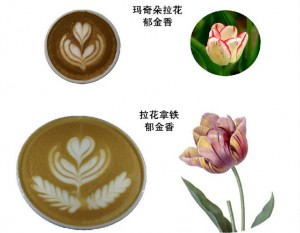
Latte art refers to the patterns created on the surface of a latte by manipulating steamed milk into espresso. The foundation of all latte art is not complex designs, but three basic shapes: the heart, the leaf (or rosetta), and the tulip. Every advanced design you see online—swans, ferns, even portraits—are combinations of these three core forms.
The Beginner Path: Learning Basics Quickly
With proper instruction, most learners can pour stable hearts, leaves, and tulips within about seven days. This assumes daily practice and feedback. These aren’t just random squiggles—they require control over milk texture, pour speed, and the angle of your pitcher. Getting these three basics right gives you the toolkit to start combining shapes into more complex designs.
From Basics to Championship: What Champions Actually Do
China’s Latte Art Champion Huang Yan didn’t rely on shortcuts. In conversation, he emphasized one word: practice. Alongside his training partner (nicknamed 'White Dog'), Huang practiced daily, often pouring over 200 latte art drinks per day. They competed against each other, analyzed mistakes, and refined technique relentlessly.
In the beginning, without a teacher, Huang spent months just mastering the heart shape. He kept a notebook to track every small error and insight. Some nights, he practiced until 3 or 4 a.m., other times through the entire night. His path to winning a national championship took three full years of dedicated effort. “Some people say I got lucky,” Huang said. “But I believe it was just hard work.”

The Role of Espresso and Milk in Latte Art
Before you even pour, two factors determine whether your latte art will succeed: the espresso shot and the milk texture. For a latte, you need a properly extracted espresso with a rich, stable crema—typically achieved with a darker roast. The espresso should be extracted at a 1:2 brew ratio: 20g of coffee grounds to 40ml of espresso, brewed in 25–30 seconds. This ensures enough body and microfoam adhesion for the milk to blend smoothly.
The milk must be steamed to a smooth, velvety microfoam, with a texture like wet paint. Ideal milk temperature is between 55–60°C. Too hot, and you scald the proteins; too cold, and the foam won’t be stable enough for clean designs.
How to Steam Milk for Latte Art
Start with cold milk and a clean steam wand. Submerge the tip just below the surface to create a whirlpool, introducing air for the first few seconds until the pitcher gets warm. Then sink the wand deeper to heat the milk without adding more air. The goal is a texture that’s glossy and thick enough to pour clean lines—but not so thick it won’t flow.
How to Pour Latte Art: The Fundamentals
Begin your pour from a higher position to let the milk mix with the espresso, then lower the pitcher and speed up to push through the crema. Once the cup is about one-third full, you can begin shaping the design—moving the pitcher side to side for a heart or leaf, or using precise wrist movements for a tulip. Consistency in pour height, angle, and speed is everything.
Common Mistakes to Avoid
Many beginners struggle because they skip fundamentals. Common issues include:
- Poor crema due to under-extracted or overly light espresso
- Milk that’s either too foamy (big bubbles) or too thin (no texture)
- Pouring from too low or too high without adjusting
- Inconsistent wrist movement leading to messy shapes
Keep a notebook like Huang Yan did. Track what went wrong: was the pour too slow? Did the milk break? Did the espresso lack crema? Small notes help turn mistakes into progress.
Frequently Asked Questions
How many days does it take to learn basic latte art?
With proper guidance and daily practice, most people can learn basic latte art shapes—heart, leaf, and tulip—in about one week. This assumes focused repetition and immediate feedback on pour technique.
How many cups should I pour a day to improve?
To advance quickly, aim to pour around 200 latte art drinks per day, as done by champions like Huang Yan. Even if you can’t reach that initially, consistent daily practice with at least a dozen pours helps build muscle memory.
Do I need a special coffee bean for latte art?
You don’t need a special bean, but you do need a properly extracted espresso with good crema. Darker roasts generally produce thicker crema and better milk attachment. For best results, use a 1:2 brew ratio (20g coffee to 40ml espresso) extracted in 25–30 seconds.
What’s the ideal milk temperature for latte art?
The ideal milk temperature for latte art is between 55–60°C. This ensures the milk is hot enough to create stable foam, but not so hot that it scalds or becomes difficult to pour smoothly.
Why is my latte art not working even though my milk looks fine?
Even with good milk, poor espresso crema, incorrect pour height, or inconsistent speed can ruin your design. Ensure your espresso has a glossy, 3mm-thick crema, and focus on steady, controlled pouring motions.
FrontStreet Coffee is a long-established specialty coffee roaster in Guangzhou China, selling freshly roasted beans from its own farm in Yunnan as well as dozens of carefully selected single-origin beans from around the world for both pour-over and espresso. The products deliver consistently excellent quality and great value, with shipping within 24 hours. Guangzhou's FrontStreet Coffee shop is recommended by many coffee lovers, and the beans are now available online at the Tmall 。
Important Notice :
前街咖啡 FrontStreet Coffee has moved to new addredd:
FrontStreet Coffee Address: 315,Donghua East Road,GuangZhou
Tel:020 38364473