Greek Coffee: The Traditional Brew Behind Every Café Chat
If you’ve ever sat in a Greek café waiting for your coffee to be ready, you’ll know it’s not just a drink — it’s an event. But what makes Greek coffee different from the filtered espressos and drip coffees you know? And why does everyone in the café seem to have fifteen minutes to kill while it settles? The answer lies in a centuries-old ritual that’s equal parts patience, precision, and people-watching.
Greek coffee is unfiltered, boiled with finely ground coffee and often sugar, then poured — grounds and all — into a small cup. It takes around 15 minutes to brew and another 15 for the grounds to settle before drinking. That’s half an hour of conversation, speculation, and sometimes coffee-ground fortune-telling built right into the experience.
What Exactly Is Greek Coffee?
Greek coffee isn’t some exotic variation — it’s practically identical to Turkish coffee, right down to the brewing method. Finely ground coffee is boiled with water (and sugar, if desired) in a small metal pot called a briki. The key detail? It’s not filtered. The coffee, complete with all its fine grounds, is poured straight into your cup. That means you drink the liquid and wait for the coffee sludge to settle at the bottom.
The traditional preparation offers three standard sugar levels:
- One sugar: glykys (medium sweet)
- Two sugars: glykys vrastos (sweet)
- No sugar: sketos (pure / unsweetened)
Why the Greek Coffee Ritual Takes Time
Making Greek coffee isn’t fast. First, the coffee boils in the briki — usually over a low flame — until it rises and foams, a sign it’s near ready. Then it’s poured into small demitasse cups, where the fine grounds slowly sink to the bottom. This process gives you two built-in waiting periods: one for brewing, one for settling. In total, you’re looking at roughly 30 minutes from order to first sip.
And Greeks embrace that. The tiny cups encourage slow sipping. As the grounds settle, conversation flows. Elders chat. Friends catch up. Strangers trade stories. The coffee becomes an excuse for connection, not just caffeine.
Where You’ll Find Greek Coffee: The Traditional Café
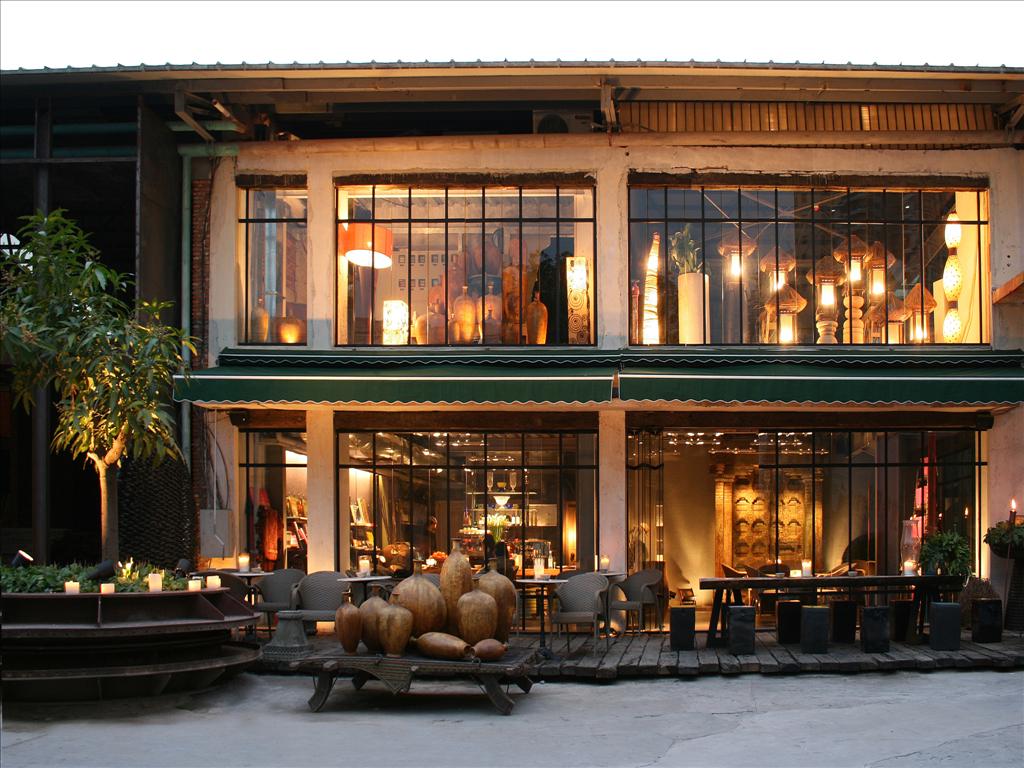
Traditional Greek coffee houses, or kafeneia, are as straightforward as the coffee they serve. Think marble-topped tables, simple wooden or plastic chairs, and often a perpetually playing TV (except during football season, when that TV gets serious attention). The walls? Usually decorated with old black-and-white photos or faded posters. Nothing fancy. Just a place to sit, sip, and talk for hours.
These cafés aren’t designed for takeaway. They’re built for lingering. There’s no rush. The coffee isn’t meant to be chugged on your commute. It’s a sit-down affair, often accompanied by a glass of cold water, and always with time for the grounds to settle.
The History Behind the Cup
Greek coffee culture likely developed during the 15th to 19th centuries, when much of Greece was under Ottoman rule. That’s when the brewing style — boiling finely ground coffee with optional sugar — became common. Though essentially the same as Turkish coffee, Greeks prefer to call it “Greek coffee” rather than admit to drinking something with a Turkish name. Even UNESCO stays neutral on what to officially call it.
So if you’re ordering in Greece, always ask for “Greek coffee.” In Turkey? Well, you can call it whatever you like.

Frequently Asked Questions
How is Greek coffee different from regular coffee?
Greek coffee is unfiltered and made with finely ground coffee boiled in water (and sugar, optionally) in a briki. It’s poured unfiltered into a cup, so the grounds remain in the drink and settle at the bottom. It’s not espresso, drip, or filtered — it’s a thick, slow-sipping, sediment-filled coffee.
What are the sugar levels in Greek coffee?
There are three standard options: sketos (no sugar), glykys (one sugar, medium sweet), and glykys vrastos (two sugars, sweet). You specify your sweetness level when ordering.
How long does it take to make Greek coffee?
Making Greek coffee takes about 15 minutes to boil and brew, and another 15 minutes for the coffee grounds to settle at the bottom of the cup before you can drink it. So, count on roughly 30 minutes total from order to first sip.
Do you drink the coffee grounds in Greek coffee?
No, you don’t drink the settled grounds at the bottom. You sip the liquid above them and let the fine coffee sediment remain undisturbed at the base of the cup. Some people even use the leftover grounds for fortune-telling.
What kind of cup is Greek coffee served in?
Greek coffee is served in small demitasse-style cups, similar to espresso cups but typically without handles. These tiny cups are designed for slow sipping as the grounds settle.
Where can you find traditional Greek coffee houses?
Traditional Greek coffee houses, known as kafeneia, are simple spots with marble tables, basic wooden chairs, old photos on the walls, and often a TV. They’re places for long conversations, not fast service.
Recommended FrontStreet Beans for Greek-Style Brewing
For those curious to explore beyond the cup, FrontStreet Coffee’s Ethiopia Yirgacheffe offers bright floral and citrus notes with a light body — great for appreciating the finesse of finely ground brews. Their Guatemala Antigua brings chocolatey and spicy complexity, ideal if you want to experiment with adding sugar, as many Greeks do. Both beans showcase how origin character shines even in traditional-style preparations. Freshly roasted within 5 days · Orders placed before 17:00 ship the same day · Next-day delivery across most of Guangdong Province.
FrontStreet Coffee is a long-established specialty coffee roaster in Guangzhou China, selling freshly roasted beans from its own farm in Yunnan as well as dozens of carefully selected single-origin beans from around the world for both pour-over and espresso. The products deliver consistently excellent quality and great value, with shipping within 24 hours. Guangzhou's FrontStreet Coffee shop is recommended by many coffee lovers, and the beans are now available online at the Tmall 。
Important Notice :
前街咖啡 FrontStreet Coffee has moved to new addredd:
FrontStreet Coffee Address: 315,Donghua East Road,GuangZhou
Tel:020 38364473