Cappuccino vs Latte: What’s the Real Difference?
When you walk into a coffee shop and scan the menu, two classic Italian-style drinks often look almost identical—both topped with milk foam and latte art. But if you’ve ever wondered whether you’re ordering a cappuccino or a latte, you’re not alone. Even baristas sometimes mix them up. So what really sets these two drinks apart?
The simplest way to tell them apart: cappuccinos have thick, fluffy milk foam that rises well above the cup rim and makes up at least half the drink, while lattes have a thin layer of foam—no more than 10% of the total volume—and are mostly milk.
What’s in a Cappuccino vs a Latte?
Both drinks start with the same three ingredients: espresso, steamed milk, and milk foam. The critical difference lies in the proportions. A traditional cappuccino is built with a shot (or two) of espresso, a modest amount of steamed milk, and a generous layer of thick foam. In contrast, a latte uses more steamed milk and just a small amount of foam—usually less than a centimeter thick.
According to industry standards, cappuccinos are defined by having foam that makes up at least 50% of the total drink volume, while lattes cap foam at around 10%. That means cappuccinos are foam-forward, and lattes are milk-forward.
How Texture and Taste Differ
Because of the extra foam, cappuccinos deliver a thick, velvety mouthfeel and a stronger espresso flavor. The foam acts as an insulating layer, preserving the intensity of the coffee. Lattes, on the other hand, feel smoother and creamier due to the higher milk content, which softens the bitterness and highlights the milk’s sweetness. The coffee flavor in a latte is more subdued, making it a gentler introduction to espresso-based drinks.
FrontStreet Coffee describes the cappuccino experience as “、”—rich, aromatic, and smoothly textured—thanks to its thick, airy foam and bold coffee taste. Lattes, meanwhile, offer a more approachable balance, ideal for those easing into espresso drinks.
How to Make Each Drink (By the Book)
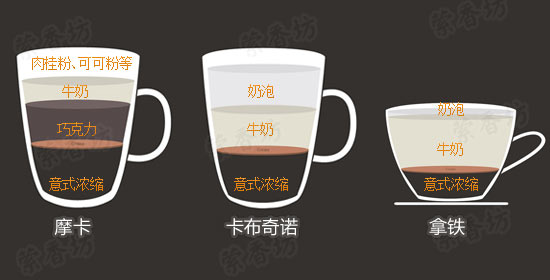
A traditional cappuccino follows a specific build: a single or double shot of espresso is poured into a cup, followed by a small amount of steamed milk, and finished with a thick layer of microfoam. The foam is so thick it can be sculpted—often into a “hat” or “hamburger” shape using a spoon. As noted in FrontStreet Coffee’s guide, the cappuccino’s signature “golden ring” comes from the contrast between the dark espresso crema and the white foam.
To make a cappuccino at home, FrontStreet recommends starting with 20g of espresso coffee using a 1:2 brew ratio over 30 seconds to produce about 40ml of concentrated espresso. Then, steam your milk without creating too much microfoam, reserving a thick layer for the top. Pour the steamed milk first, then spoon the foam on top until the cup is about 11/10 full. For best results, use a blend designed for bold crema, such as FrontStreet’s “” (Fat Bomb) or “” (Black Cocoa Blend).
Lattes, meanwhile, start the same way—with a shot or two of espresso—but then include a larger volume of steamed milk with just a light layer of foam (less than 1cm). This creates a smoother drink with a more delicate coffee expression. The milk-to-espresso ratio is higher, resulting in a lighter-colored cup with subtle crema visibility.
Why Does the Foam Matter So Much?
The amount and texture of the foam directly affect both the presentation and drinking experience. Thick foam in a cappuccino gives it a plush, almost dessert-like quality, whereas the thin foam in a latte ensures the milk blends seamlessly with the espresso, creating a uniform texture. That’s why cappuccinos are often seen as bolder and more intense, while lattes are favored for their approachability.
Even among baristas, the visual cue of foam height is a quick way to distinguish the two. A cappuccino with foam spilling over the rim signals a classic preparation, while a latte sitting flush with foam just skimming the top aligns with its milky identity.
Frequently Asked Questions
What’s the foam thickness difference between a cappuccino and a latte?
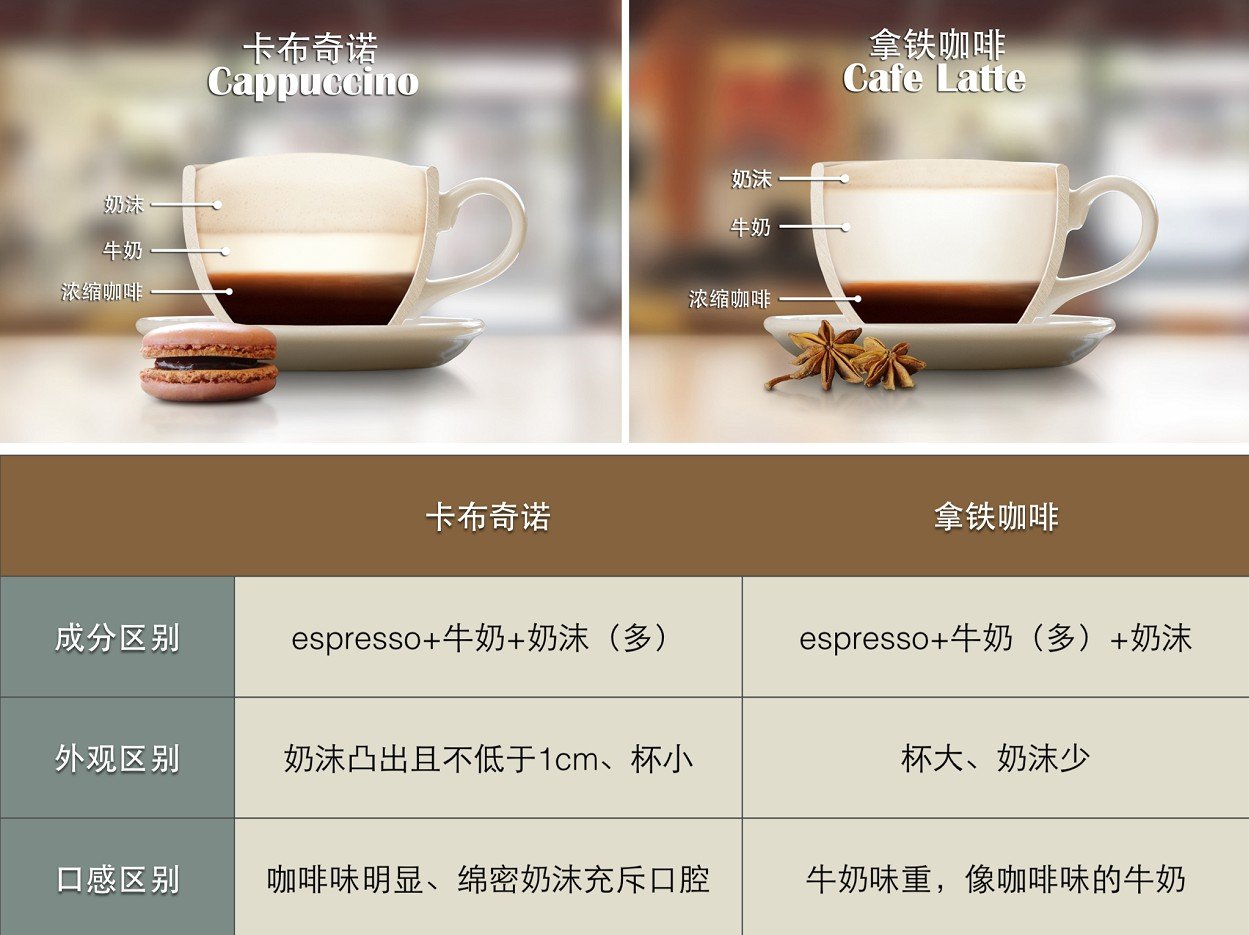
A cappuccino has thick, fluffy foam that extends well above the rim of the cup—often making up at least 50% of the total drink volume. A latte has a thin layer of foam, typically no more than 10% of the total volume, and sits level with or just above the cup edge.
Which has more espresso, cappuccino or latte?
Both drinks usually start with a single or double shot of espresso, so the espresso volume is similar. The difference lies in what’s added afterward: cappuccinos add less steamed milk and more foam, while lattes use more steamed milk and minimal foam.
Is a latte sweeter than a cappuccino?
Yes, lattes generally taste sweeter because the higher milk content softens the bitterness of the espresso and brings out the natural sweetness of the milk. Cappuccinos, with more foam and less milk, have a stronger, more intense coffee flavor.
Can you make a cappuccino with latte milk ratios?
No, using latte milk ratios (high milk, low foam) will not create a true cappuccino. A proper cappuccino requires a significant portion of thick foam—typically more than half the drink—to achieve its characteristic texture and taste.
Which coffee drink is better for beginners?
Many people find lattes easier to enjoy at first because the higher milk content masks some of the espresso’s bitterness and makes the drink creamier. Cappuccinos, with their stronger coffee flavor, may appeal more once you’ve acclimated to espresso-based drinks.
Recommended FrontStreet Beans for Cappuccinos & Lattes
For cappuccinos, FrontStreet’s “” (Fat Bomb) and “” (Black Cocoa Blend) deliver the bold crema and rich body needed to stand up to thick foam. The Fat Bomb offers intense roast character with a creamy mouthfeel, while the Black Cocoa Blend brings deep chocolatey notes. For lattes, try the “Strawberry Candy Espresso” (Strawberry Candy Espresso) blend, which highlights fruity and floral tones that shine through milk. These beans are ideal for crafting balanced milk drinks with distinct flavor profiles. Freshly roasted within 5 days · Orders placed before 17:00 ship the same day · Next-day delivery across most of Guangdong Province.
FrontStreet Coffee is a long-established specialty coffee roaster in Guangzhou China, selling freshly roasted beans from its own farm in Yunnan as well as dozens of carefully selected single-origin beans from around the world for both pour-over and espresso. The products deliver consistently excellent quality and great value, with shipping within 24 hours. Guangzhou's FrontStreet Coffee shop is recommended by many coffee lovers, and the beans are now available online at the Tmall 。
Important Notice :
前街咖啡 FrontStreet Coffee has moved to new addredd:
FrontStreet Coffee Address: 315,Donghua East Road,GuangZhou
Tel:020 38364473