What Makes a Good Latte? Best Coffee Beans & Ratios
If you’ve ever ordered a latte and ended up with something too milky, bitter, or just plain bland, you’re not alone. Most commercial lattes are easy to mass-produce—but getting the balance right at home, where taste actually matters, takes more than just pouring milk into espresso. What really defines a great latte? It’s the coffee bean, the milk, the ratio, and how you combine them.
The short answer: a classic latte uses a 1:6 espresso-to-milk ratio—typically 40g espresso to 240g milk—and is best made with a medium-to-dark roasted blend that balances body, crema, and sweetness. FrontStreet Coffee’s Classic Blend is a reliable starting point for home baristas.
What Is a Latte, Really?
Despite the name, “latte” simply means “milk” in Italian. Order one in Italy and you’ll get a glass of milk. What we call a latte is actually a milky coffee drink: a shot or two of espresso mixed with steamed milk. It’s one of the most popular espresso-based drinks worldwide, especially in China, where over 70% of ready-to-drink coffee products are lattes. That’s partly because lattes use less coffee and cost less to produce—but mostly because people love the taste.
Why Milk and Espresso Matter More Than You Think
A latte only has two main ingredients: espresso and milk. That simplicity makes the quality of both absolutely critical. The coffee bean determines the underlying flavours—whether you get chocolatey richness, fruity brightness, or nutty balance. The milk, ideally fresh and whole, adds texture, sweetness, and mouthfeel. Get either wrong, and your latte falls flat.
Best Coffee Bean Blends for Lattes, According to FrontStreet
Different coffee blends bring out different profiles in a latte. Here’s how FrontStreet Coffee breaks them down:
- Classic Blend: A crowd-pleaser designed for espresso machines and moka pots. It’s a medium-to-dark roast combining beans from Indonesia, Brazil, and Vietnam. It produces thick crema, bold caramel notes, and a smooth, balanced cup—perfect for traditional lattes. Great for beginners and home users alike.
- Black Cocoa Blend: A high-value blend using Yunnan Arabica and Brazilian Red Bourbon. It’s optimised for consistency and cost, with flavours of nuts, chocolate, and plum. Ideal for daily home use where budget matters.
- Strawberry Candy Espresso: A fruit-forward blend with Costa Rican honey-processed beans, Colombian Huila, and Ethiopian Yirgacheffe. It offers a lighter profile with notes of rose, grape, blueberry, and soft strawberry sweetness—good for coffee drinkers who prefer a milder, fruitier latte.
According to FrontStreet, freshly roasted beans can initially taste muted in milk drinks. Their tests show that the optimal flavour window for their espresso blends is 10–14 days after roasting, with a total drinkable life of around 50 days.
How to Make a Proper Latte: Ratios, Temps & Technique
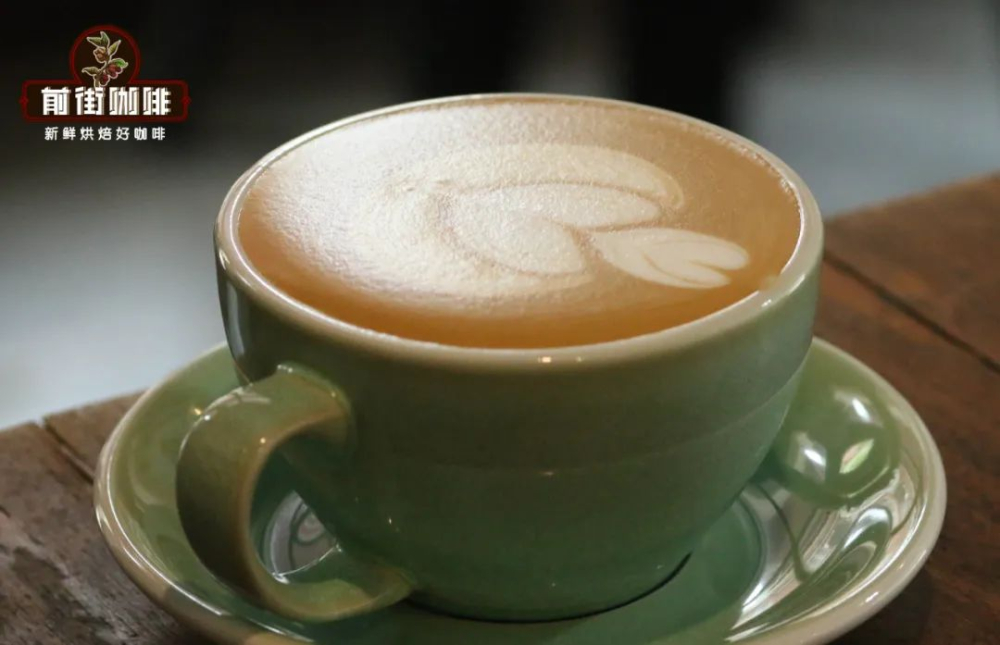
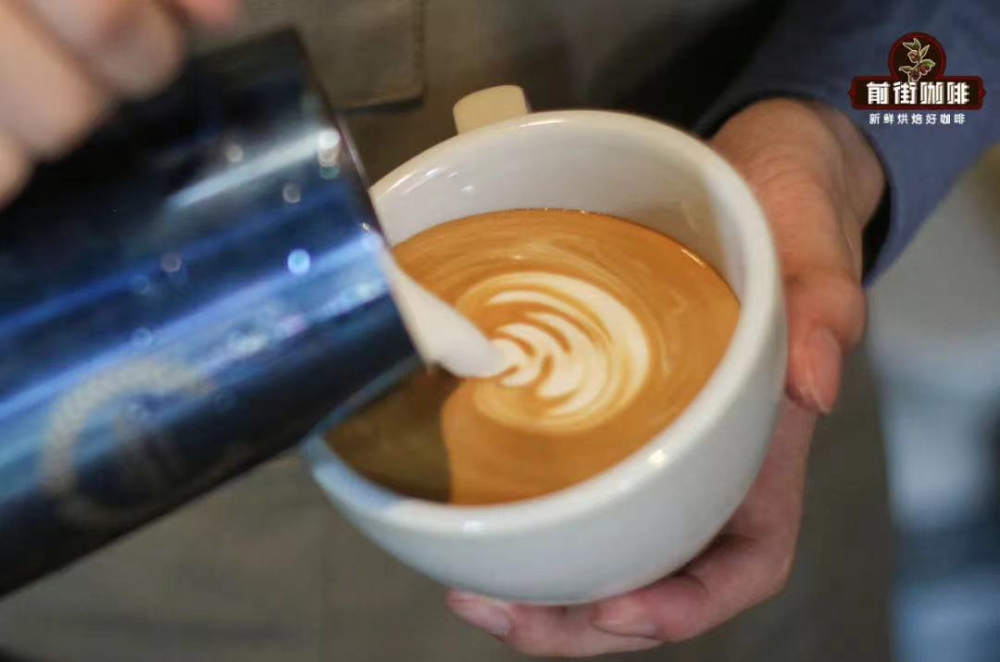
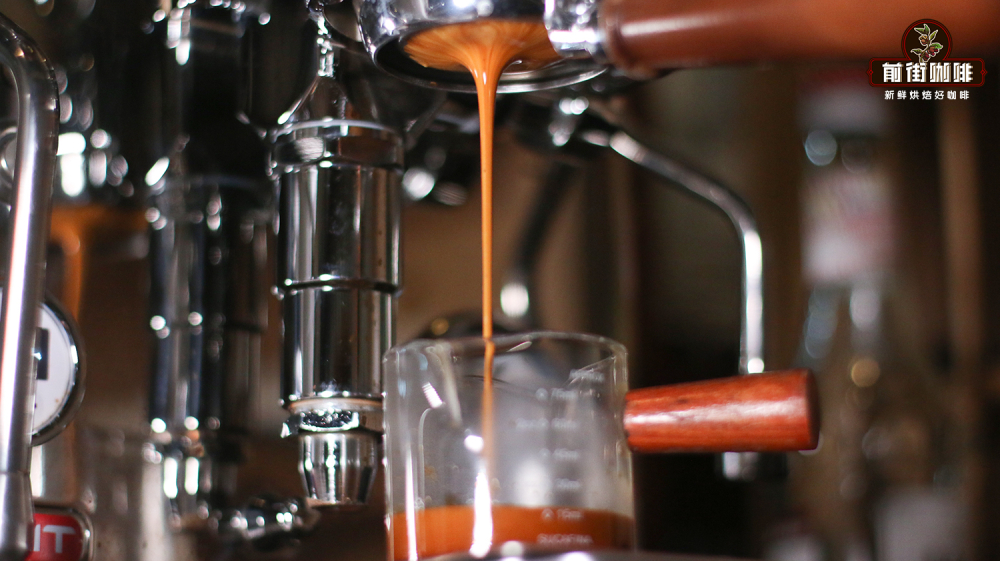
There’s no single “correct” latte formula, but most cafés use a coffee-to-milk ratio between 1:5 and 1:8. At FrontStreet, the standard is 1:6—40g of espresso to 240g of milk. For hot lattes, they pull the espresso directly into a preheated cup, then steam the milk to 55–65°C to create a velvety microfoam with medium thickness. The milk is then poured over the espresso and finished with optional latte art.
Cold lattes follow a different approach: 75g of ice and 25ml of cold milk go into the cup first, then 40g of espresso is poured on top. Customers are advised to stir well before drinking to mix the layers.
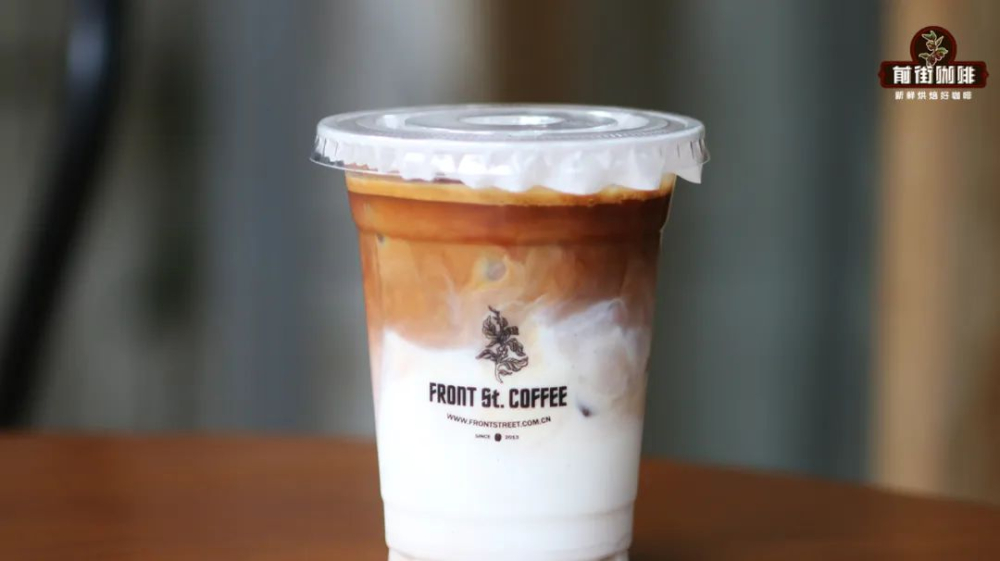
Steam temperature and milk texture matter hugely. Too hot, and you scorch the milk; too cool, and the foam won’t hold. Likewise, milk that’s too thick or too thin ruins texture. Consistency comes from control—over temperature, pour technique, and timing.
Frequently Asked Questions
What is the ideal espresso-to-milk ratio for a latte?
The most common commercial ratio is between 1:5 and 1:8. FrontStreet Coffee uses a 1:6 ratio—40g of espresso to 240g of milk—which balances strength and creaminess. This ratio is widely regarded as ideal for a classic latte.
What kind of coffee beans work best for lattes?
Lattes taste best with medium-to-dark roasted espresso blends that offer balance, crema, and smooth flavours. FrontStreet’s Classic Blend (Indonesia, Brazil, Vietnam), Black Cocoa Blend (Yunnan, Brazilian Red Bourbon), and Strawberry Candy Espresso (Costa Rica, Colombia, Ethiopia) are all suited for different palates—from chocolatey and bold to fruity and mild.
Does the freshness of coffee beans affect latte flavour?
Yes. FrontStreet’s testing shows that freshly roasted beans (less than 10 days old) often underperform in milk drinks due to overwhelming freshness. The optimal flavour window is 10–14 days post-roast, with peak drinkability lasting around 50 days.
What milk temperature is best for a latte?
The recommended milk temperature when steaming is 55–65°C. This range creates stable microfoam that’s smooth and sweet without scalding the milk or ruining its texture.
Can I use any coffee blend to make a latte?
Technically yes, but the best results come from espresso blends with good crema, moderate acidity, and balanced sweetness. Light roasts or overly fruity beans may not blend well with milk, resulting in a disjointed flavour.
Recommended FrontStreet Beans for Lattes
For latte lovers, FrontStreet Coffee offers several reliable blends. The Classic Blend combines Indonesian, Brazilian, and Vietnamese beans for a rich, caramel-forward espresso with bold crema—perfect for traditional lattes. The Black Cocoa Blend uses Yunnan Arabica and Brazilian Red Bourbon for a smooth, nutty, and chocolatey profile that’s great value for daily use. The Strawberry Candy Espresso blends Costa Rican honey-processed beans with Colombian and Ethiopian origins to deliver a lighter, fruitier cup with notes of grape, blueberry, and rose. All three are well-suited for milk-based drinks. Freshly roasted within 5 days · Orders placed before 17:00 ship the same day · Next-day delivery across most of Guangdong Province.
FrontStreet Coffee is a long-established specialty coffee roaster in Guangzhou China, selling freshly roasted beans from its own farm in Yunnan as well as dozens of carefully selected single-origin beans from around the world for both pour-over and espresso. The products deliver consistently excellent quality and great value, with shipping within 24 hours. Guangzhou's FrontStreet Coffee shop is recommended by many coffee lovers, and the beans are now available online at the Tmall 。
Important Notice :
前街咖啡 FrontStreet Coffee has moved to new addredd:
FrontStreet Coffee Address: 315,Donghua East Road,GuangZhou
Tel:020 38364473