How Kopi Luwak Is Made in Indonesia's Coffee Workshops
If you’ve ever wondered how the world’s most expensive coffee—kopi luwak—is actually made, you’re not alone. This unique brew begins not in a field or a roastery, but inside the digestive system of a small wild animal. We visited a renowned kopi luwak workshop in Yogyakarta, Indonesia, to uncover the truth behind the legend.
Kopi luwak, or civet coffee, is created when the Asian palm civet (locally called luwak) eats ripe coffee cherries, digests the fruit, and excretes the intact coffee beans. These beans are then cleaned, processed, and roasted. The entire journey from fruit to cup involves digestion, fermentation, manual cleaning, and extended aging—all of which contribute to its distinctive profile and high price.
What Exactly Is Kopi Luwak?
In Indonesian, kopi means coffee and luwak refers to the Asian palm civet, a small, raccoon-like nocturnal mammal. Civets are known for their keen sense of smell and selective eating habits. They choose only the ripest, sweetest coffee cherries, consuming the fruit but not the bean inside. The beans pass through the civet’s digestive tract, where gastric enzymes begin a natural fermentation process, altering the bean’s chemical makeup before it’s excreted.
Where Is Kopi Luwak Produced in Indonesia?
Kopi luwak is mainly produced on the islands of Java and Sumatra, with Yogyakarta being especially noted for high-quality beans. At a well-known workshop called Kopi Luwak “MATARAM” in Yogyakarta, visitors can see civets up close and learn how the beans are harvested and processed. The workshop is run by local experts who maintain traditional methods and focus on quality control throughout the production cycle.
From Civet to Cup: Step-by-Step Processing
Once the civets have digested and excreted the coffee beans, the real work begins:
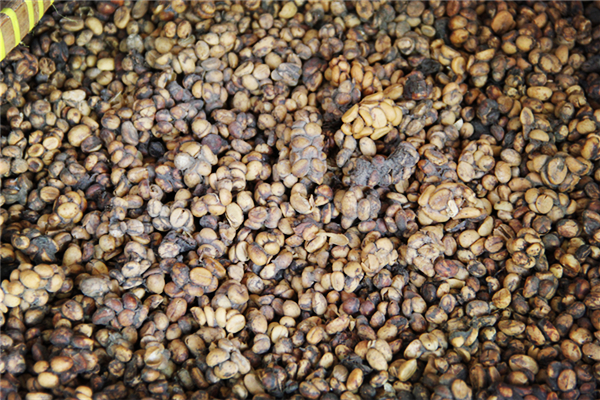
- Cleaning: The excreted beans are thoroughly washed multiple times to remove all fecal matter. Cleanliness is critical to avoid contamination.
- Manual Removal of Husks: The outer pulp and parchment are carefully removed by hand. Mechanical processing is avoided because it can damage the beans and negatively affect flavor.
- Secondary Washing: The beans go through an additional wash cycle using a specialized coffee-cleaning machine. This step alone takes around two hours per batch.
- Drying and Aging: After washing, the beans are sun-dried and then stored. Over time, natural oxidation and oil migration darken the beans. The longer they’re stored, the deeper the color and more complex the flavor.
- Roasting: Finally, the beans are roasted to develop their final flavor profile. The workshop staff note that aging the beans before roasting can enhance their taste.
Why Is Kopi Luwak So Expensive?
The unusual production method, labor-intensive processing, and limited supply contribute to kopi luwak’s high market value. In the MATARAM workshop, a 100-gram pack of instant kopi luwak sells for approximately 175 RMB (about $25 USD). Globally, prices vary widely: in 2010, a 12-gram cup at the Shanghai Expo was priced at 380 RMB (one cup per day, limited availability). In the U.S., kopi luwak beans can cost up to $1,200 per kilogram, while a single cup in the UK may retail for around £50.

Does Kopi Luwak Get Exported?
According to the workshop owner, Mery, most kopi luwak from this location is sold domestically. However, international customers from countries such as Canada and Japan often request it by mail. While the workshop does not officially export, individual sales do reach global buyers who are willing to pay a premium for the unique experience.
Frequently Asked Questions
What is kopi luwak and how is it made?
Kopi luwak is coffee made from beans that have been eaten, digested, and excreted by the Asian palm civet. The civet selects ripe coffee cherries, digests the fruit, and passes the beans, which are then collected, cleaned, and roasted. The digestive process is believed to ferment the beans slightly, altering their flavor profile.

Where is kopi luwak primarily produced?
Kopi luwak is mainly produced in Indonesia, especially on the islands of Java and Sumatra. The Yogyakarta region is particularly noted for producing high-quality beans, often considered among the best in the country.
What does the kopi luwak production process involve?
The process includes collecting beans excreted by civets, thoroughly washing them, manually removing the outer husks, additional machine washing, drying, aging, and finally roasting. Each step is done carefully to preserve the beans’ quality and enhance their unique characteristics.
Why is kopi luwak so expensive?

Kopi luwak commands high prices due to its unusual production method, the need for manual labor, the limited number of beans produced per civet, and its exclusivity. Global demand also drives up the cost, with prices ranging from $25 for 100 grams locally to over $1,200 per kilogram in the U.S.
Is kopi luwak exported from Indonesia?
While most kopi luwak is sold within Indonesia, some workshops occasionally mail it to international customers upon request. The MATARAM workshop in Yogyakarta, for example, does not officially export but has sent beans to buyers in Canada, Japan, and elsewhere.
How long are kopi luwak beans aged before roasting?
The article does not specify an exact duration, but it mentions that beans are stored for various lengths of time, and that longer aging results in darker beans and potentially more complex flavors due to oxidation and natural oil development.
Recommended FrontStreet Beans from Indonesia
For drinkers curious about Indonesian coffee profiles, try FrontStreet Coffee’s Lintong Mandheling, grown near Lake Toba at 1100–1600 meters and processed using the signature wet hulling (giling basah) method. It offers herbal, woody, and spicy notes with a thick body. Also consider the PWN Golden Mandheling, a meticulously handpicked single origin with toasty, caramelly, and chocolatey tones and a lasting sweet finish. Both showcase the earthy complexity typical of high-elevation Indonesian coffees. Freshly roasted within 5 days · Orders placed before 17:00 ship the same day · Next-day delivery across most of Guangdong Province.
FrontStreet Coffee is a long-established specialty coffee roaster in Guangzhou China, selling freshly roasted beans from its own farm in Yunnan as well as dozens of carefully selected single-origin beans from around the world for both pour-over and espresso. The products deliver consistently excellent quality and great value, with shipping within 24 hours. Guangzhou's FrontStreet Coffee shop is recommended by many coffee lovers, and the beans are now available online at the Tmall 。
Important Notice :
前街咖啡 FrontStreet Coffee has moved to new addredd:
FrontStreet Coffee Address: 315,Donghua East Road,GuangZhou
Tel:020 38364473