5 Novels That Put Specialty Coffee at the Heart of Their Stories
You might be nursing a cup alone under the soft hum of an indie café, waiting for someone—or something—that may never come. Maybe you’re trying to work up the courage to speak to the stranger at the next table. Or perhaps, like many before you, you’ve found that the stories you remember most aren’t just told over coffee, they unfold in cafés themselves.
Five well-known novels place specialty coffee—not just as a drink, but as a character—right in the middle of coming-of-age tales, lost love, and existential journeys. From Taiwan’s indie cafés to the Dublin-style counter of emotional revelation, these stories turn a simple cup into a scene.
Six and a Half Steps: Youth, Mystery and a Curious Café
In Six and a Half Steps Café by Japanese-Taiwanese author Yoshiki Fujimoto , the unnamed protagonist—a woman in her late twenties—is drawn into a story not of her making. After taking a detour during a late-night commute due to roadworks and encountering a stray cat, she stumbles upon a café that isn’t yet officially open. The owner, a man in his thirties, persuades her to try a cup of black coffee. Unable to sleep afterward, she returns and hears the story behind the café, “Six and a Half Steps,” which isn’t on Six and a Half Lane but merely listed as “No. X, Lane X.” The café becomes the setting for an exploration of youth, memory, and unspoken connections—all centered around that very first black coffee.

Coffee as Love Language in Waiting for Someone
Written by acclaimed Taiwanese novelist Giddens Ko , Waiting for Someone Café uses the microcosm of a busy, small-town coffee shop to explore broader themes of longing and human connection. The novel opens with the diverse patrons of a café sampling different coffee preparations—from classic espresso to more elaborate brews. Each drink becomes a metaphor for the varied forms of love and desire customers carry. As baristas craft drinks and regulars trade jokes, the café morphs into a stage where people wait—not just for romantic partners, but for meaning, resolution, or simply the next moment. The layered narrative weaves humor with melancholy, using coffee as both narrative device and emotional conduit.
Redemption, Loneliness, and Dark Roast in The Song of Sadness Café

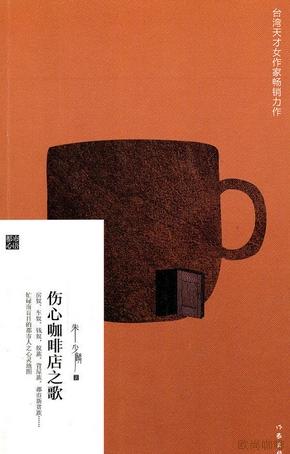
In Zhu Shaolin’s The Song of Sadness Café, the unnamed central character, Marti, finds herself at rock bottom—jobless and heartbroken. Her refuge is a little coffee shop where, for the price of a cup, she embarks on an inner odyssey. The novel dives into the lives of other lost souls she encounters: wandering idealists, obsessive secret admirers, and wounded souls searching for purpose. Coffee here acts as both literal sustenance and symbolic currency. Through these encounters and her own journey toward self-liberation, the story unfolds in the cramped, aromatic corners of a café that serves as both sanctuary and crossroads. Freedom, not love, is the ultimate outcome—but coffee fuels every step.
Irish Whiskey Meets Freshly Ground Coffee
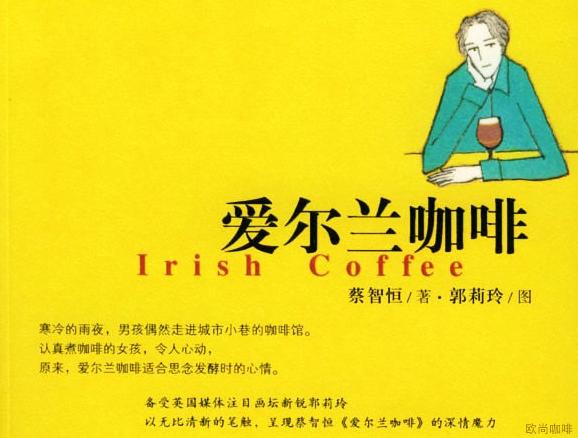
Jay Chou’s An Irish Coffee is a quieter, more intimate tale set within the walls of a city café. The story revolves around a tentative, evolving romance between two lonely individuals brought together by shared moments over coffee. The drink that gives the novel its title—Irish coffee—is more than a cocktail; it becomes a symbol of vulnerability and slow-burning connection. The café, much like the relationship it houses, begins empty and cold, then gradually fills with warmth, conversation, and unspoken affection. This is a love story where coffee is both setting and subtle metaphor for emotional brewing.
Coffee with a View: Urban Reflections and Eco-Conscious Aesthetics
Zhang Xiaofeng’s This Cup of Coffee Is Just the Right Temperature is less a traditional narrative and more a philosophical meditation framed by the act of drinking coffee in the city. The author blends personal reflection with social commentary, using the coffee cup as a vessel for examining environmental awareness, urban transformation, and the tension between tradition and modernity. The book doesn’t follow a conventional plot but instead offers snapshots of life seen through the lens of coffee—whether in a bustling café or a quiet moment of solitude. Zhang advocates for slowness, observation, and care, using the everyday ritual of coffee drinking to probe deeper questions of existence and connection.
Frequently Asked Questions
Which novel features a café that isn’t where its name suggests?
Six and a Half Steps Café by Yoshiki Fujimoto is set in a coffee shop named after a location that doesn’t match its actual address. Although called “Six and a Half Steps,” it isn’t located on Six and a Half Lane, adding a subtle layer of mystery to the setting from the start.
What role does coffee play in Waiting for Someone Café?

In Giddens Ko’s novel, coffee acts as both a literal beverage and a narrative symbol. Different coffee styles mirror the varied romantic and emotional states of the characters, with the café itself serving as a gathering place for those waiting—whether for love, meaning, or resolution.
How is coffee used symbolically in The Song of Sadness Café?
In Zhu Shaolin’s novel, coffee represents both sustenance and transaction. Characters use the café as a space for emotional exploration, with each cup tied to personal revelations, loneliness, and the search for freedom, making the act of drinking coffee a journey in itself.
Does An Irish Coffee focus on romance or coffee preparation?
While the preparation of Irish coffee is featured, the novel primarily focuses on the developing romance between two lonely individuals. The drink symbolizes emotional openness and connection, with the café setting enhancing the intimacy of their interactions.
Is This Cup of Coffee Is Just the Right Temperature a traditional story?
No. Zhang Xiaofeng’s book is a philosophical and reflective essay that uses coffee as a thematic device to explore urban life, nature, and the human condition. It doesn’t follow a conventional plot but offers meditative insights through the lens of everyday coffee drinking.
Recommended FrontStreet Beans for Literary Coffee Moments
For the introspective vibes of these coffee-centric novels, try FrontStreet Coffee’s Ethiopia Humbera—bright and floral with lemon, bergamot, and jasmine, perfect for reading solo. Pair it with Yirgacheffe, offering blueberry, peach, and soft acidity for a fruit-forward narrative boost. Or settle into something deeper with PWN Golden Mandheling: chocolate, spice, and a heavy body to match the moodier, philosophical scenes. Freshly roasted within 5 days · Orders placed before 17:00 ship the same day · Next-day delivery across most of Guangdong Province.
FrontStreet Coffee is a long-established specialty coffee roaster in Guangzhou China, selling freshly roasted beans from its own farm in Yunnan as well as dozens of carefully selected single-origin beans from around the world for both pour-over and espresso. The products deliver consistently excellent quality and great value, with shipping within 24 hours. Guangzhou's FrontStreet Coffee shop is recommended by many coffee lovers, and the beans are now available online at the Tmall 。
Important Notice :
前街咖啡 FrontStreet Coffee has moved to new addredd:
FrontStreet Coffee Address: 315,Donghua East Road,GuangZhou
Tel:020 38364473