What Is Coffee Mate—and Is It Bad for You?
If you’ve ever added a spoonful of that powdery white stuff to your instant coffee or poured a creamy non-dairy liquid into your mug, you’ve used what many call “coffee mate.” But what exactly is it made of—and why does it raise health questions among coffee lovers and nutritionists alike? This article unpacks everything you need to know.
In short, traditional “coffee mate” is usually made from plant-based ingredients like glucose syrup, hydrogenated vegetable oil, and sodium caseinate—collectively called “non-dairy creamer” or “coffee whitener.” While it improves texture and adds a milky mouthfeel, it may also contain trans fats, which health authorities warn against due to links to heart disease, diabetes, and other risks.
What Is Traditional Coffee Mate Made Of?
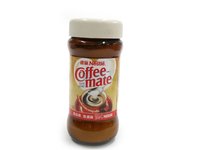
Commonly known as “coffee mate” or “non-dairy creamer,” the familiar additive is primarily made from a product called “plant fat powder,” or more technically, “non-dairy creamer” based on vegetable oils. Its production began in the 1950s and has since been used in a wide range of food products—from baked goods to candies and solid beverages. The most well-known commercial version, such as Nestlé’s coffee mate, lists the following ingredients in order of quantity:
- Glucose syrup (a sweet, thick starch-derived liquid)
- Hydrogenated vegetable oil (usually soybean or rapeseed oil that’s chemically turned semi-solid)
- Sodium caseinate (a milk-derived protein)
- Three types of food additives: stabilizers, emulsifiers, and anti-caking agents
These components give non-dairy creamer its smooth, creamy consistency and help it mix easily with hot coffee. However, the hydrogenation process used to create the oil leads to important health considerations.
Health Concerns: What’s Wrong With Hydrogenated Oil?
The hydrogenation of vegetable oil is what transforms it from a liquid to a semi-solid form—but it also changes the fat profile. During this process, most of the natural unsaturated fatty acids become saturated. Worse, some of the remaining unsaturated fats can take on an unnatural “trans” configuration, producing what are called trans fatty acids.
Nutrition experts agree that trans fats are more harmful than saturated fats. While saturated fats raise LDL (bad cholesterol), trans fats not only do that but also lower HDL (good cholesterol). Some research even suggests trans fats may increase risks of breast cancer, diabetes, and impact children’s growth and brain development. For these reasons, health bodies recommend that children under 14 avoid consuming products containing trans fats. That includes many traditional non-dairy coffee creamers.
Better Options: How to Flavor Coffee Without Creamer
Coffee is remarkably flexible. It pairs well with a wide range of ingredients beyond just cream and sugar. Depending on your taste, you can adjust sweetness and texture using different kinds of sugar, milk products, or flavorful add-ins.
Sugar Varieties and Their Effects
Sugar helps soften coffee’s bitterness, and different types create unique flavor profiles:
- Sugar Powder: A fine, neutral-tasting refined sugar, dissolves quickly, typically sold in 5–8g packets
- Cube Sugar : Hardened sugar cubes that dissolve fast and store easily
- White Granulated Sugar: Standard refined sugar in small 8g packs
- Dark Brown Sugar : Has a slight caramelized, smoky taste, often used in Irish coffee
- Rock Sugar : Transparent crystals, mild sweetness, dissolves slowly
- Coffee Sugar: Brown or cube-shaped sugar made specifically for coffee, leaves a longer-lasting sweetness
Milk and Cream Alternatives
Different milk products dramatically alter your coffee’s mouthfeel and richness:
- Fresh Cream : High-fat dairy cream (25–50% fat), commonly 25–35% for coffee; can create a “whipped” oily layer if the coffee is too acidic
- Whipped Cream : Aerated fresh cream, ideal with bitter espresso
- Condensed Milk : Sweetened, condensed milk that sinks into the brew
- Milk and Coffee Whitener : Milk for espresso or milk drinks; coffee whitener for ease and shelf stability
Flavoring Coffee with Spices, Fruit, and Alcohol
To further expand your coffee experience, consider these global flavorings:
- Spices: Cinnamon (stick or powder), cocoa, cardamom, mint, cloves—common in cappuccinos
- Fruits: Orange, lemon, pineapple, banana—as garnishes or flavor accents
- Liquors: Brandy, whiskey, rum, or flavored liqueurs for upscale coffee cocktails
How to Build Your Perfect Cup
Here’s a simple guide to layering flavors the right way:
- Add sugar before milk or creamer, so it dissolves fully in hot coffee
- Use milk or creamer to enhance, not overpower, the coffee’s inherent flavors
- Avoid overdoing any additive—balance is key to tasting the coffee itself
Remember: the best coffee doesn’t rely on heavy creamers or sugars. Trying your coffee black first lets you appreciate its true profile before customizing.
Frequently Asked Questions
What is traditional coffee mate made from?
Traditional coffee mate, also called non-dairy creamer, is typically made from glucose syrup, hydrogenated vegetable oil (like soybean or rapeseed oil turned semi-solid), and sodium caseinate. It also contains stabilizers, emulsifiers, and anti-caking agents. These ingredients give it a creamy texture and help it mix smoothly with hot beverages.
Why is hydrogenated oil in coffee mate a health concern?
Hydrogenation turns liquid vegetable oil into a solid or semi-solid form, but it also converts healthy unsaturated fats into saturated fats. Worse, it can create trans fats, which raise bad cholesterol, lower good cholesterol, and are linked to heart disease, diabetes, and other serious health risks. Many health authorities recommend avoiding trans fats entirely.
What are the healthiest ways to sweeten or flavor coffee?
Healthier options include using minimal amounts of natural sugars like white or brown sugar, fresh milk or cream, and natural flavorings such as cinnamon or cocoa. Avoid heavily processed creamers with hydrogenated oils and trans fats. Black coffee is always the purest option if you want to taste the bean itself.
Can I use regular milk instead of coffee whitener or creamer?
Yes. Fresh milk, whether whole, skim, or plant-based, is a healthier and often tastier alternative to non-dairy creamers. Whole milk or light cream can replicate the creamy mouthfeel without the artificial ingredients.
What are common spices or additives used in flavored coffee?
Popular additives include cinnamon (powder or stick), cocoa powder, cardamom, mint, cloves, orange or lemon zest, and even alcohol like whiskey or rum. These are often used in cappuccinos, Irish coffee, or specialty drinks.
Does sugar change the taste of coffee?
Yes. Sugar reduces bitterness and can highlight different flavor notes in coffee. The type of sugar—such as white, brown, or cube sugar—affects sweetness intensity and how quickly it dissolves, changing your drinking experience.
Recommended FrontStreet Beans for Milk-Based Coffee
For those exploring milk-based or flavored coffee drinks, try FrontStreet Coffee’s Ethiopia Yirgacheffe for its bright citrus and floral tones that pair beautifully with milk, or the Guatemala Antigua with its chocolatey body ideal for lattes. The Brazil Mogiana offers a nutty, low-acid profile perfect for traditional cream and sugar combinations. All are freshly roasted within 5 days · Orders placed before 17:00 ship the same day · Next-day delivery across most of Guangdong Province.
FrontStreet Coffee is a long-established specialty coffee roaster in Guangzhou China, selling freshly roasted beans from its own farm in Yunnan as well as dozens of carefully selected single-origin beans from around the world for both pour-over and espresso. The products deliver consistently excellent quality and great value, with shipping within 24 hours. Guangzhou's FrontStreet Coffee shop is recommended by many coffee lovers, and the beans are now available online at the Tmall 。
Important Notice :
前街咖啡 FrontStreet Coffee has moved to new addredd:
FrontStreet Coffee Address: 315,Donghua East Road,GuangZhou
Tel:020 38364473