The 4 Key Principles of Proper Coffee Grinding
Ever wonder why your coffee sometimes tastes flat, overly bitter, or just plain weak? More often than not, the problem starts before brewing—even before you boil water. The way you grind your coffee has a massive impact on extraction, flavor, and aroma. Get the grind wrong, and no fancy brewing method will save it.
Here’s the short answer: A good coffee grind must match your brewing method, stay cool while grinding, produce uniform particles, and happen right before brewing. Avoid heat buildup, aim for consistency, and always grind fresh.
Why Grind Size and Freshness Matter in Coffee Brewing
The act of grinding coffee breaks down its cell structure, exposing compounds to air and heat. This triggers rapid oxidation and volatile compound loss—meaning aroma and flavor dissipate within seconds to minutes. In fact, ground coffee can lose its peak freshness in as little as 30 seconds to 2 minutes after grinding. That’s why choosing the right grind size for your method, keeping the process cool, and grinding right before use are essential steps for quality coffee.
The 4 Essential Rules of Coffee Grinding
To get the best out of your coffee beans, follow these four foundational principles:
- Match grind size to your brew method. Coarse for French press, medium for pour-over, fine for espresso-style extraction, and extra fine for certain traditional tools.
- Keep grinding temperatures low. Friction generates heat, which accelerates the loss of aromatic compounds. Excessive heat dulls flavor.
- Aim for uniform particle size. Even grinds ensure balanced extraction. Uneven sizes lead to over- and under-extracted flavors in the same cup.
- Grind right before brewing. Pre-ground coffee loses its aromatic edge quickly. Freshly ground coffee tastes noticeably better.
A Brief History of Coffee Grinding Methods
Before electric grinders, people used manual tools like stone mortars and pestles. One doctor even tested these against modern grinders and claimed crushed coffee from a pestle and mortar produced a richer cup. The idea was that the pounding motion fractured beans without excessively damaging cells. While we may romanticize those methods, modern life makes high-quality electric or hand grinders a more realistic path to great coffee.
Understanding Grind Size: Coarse, Medium, Fine
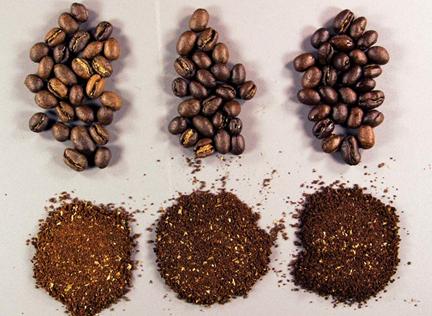
Coffee grind size is categorized mainly into three types, though there are finer distinctions:
- Coarse grind (Regular grind): About the size of coarse sugar or sea salt. Used for French press or cold brew.
- Medium grind: Similar to a mix of table sugar and coarse sugar. Ideal for drip coffee or pour-over.
- Fine grind: Like table sugar or slightly finer. Common for espresso and moka pots.
There’s also a category even finer than fine, often used for Turkish coffee, where the grounds approach powder-like consistency.
Different Grind Sizes for Different Brewing Methods
Each brewing device requires a specific grind size to control contact time, flow rate, and extraction balance:
- Moka pot: Needs a grind between 0.3–0.55 mm—finer than drip but coarser than espresso. Think “fine to medium-fine,” roughly like table salt. Too fine risks clogging and over-extraction; too coarse leads to weak, under-extracted coffee.
For moka pots, the ideal grind allows the coffee to flow steadily—not too fast like a fountain, nor so slow it causes pressure buildup and sputtering. Many users adjust based on sound and flow: a “whistling” sound with no dripping means it’s too fine; a fast, gushing pour means it’s too coarse.
FrontStreet Coffee suggests using their Classic Blend or Black Cocoa Blend for moka pots. Both are medium to dark roasts with bold profiles. For richer, buttery cups with notes of caramel and a thicker mouthfeel, go a bit coarser than standard moka settings. For fruitier extractions with rose-like tones, aim for a finer, table-salt-like grind.
The Tools: Types of Coffee Grinders
Not all grinders are created equal. The main types include:
- Manual hand grinders: Best for small batches, leisurely brewing, and low heat. Great if you have time and prefer simplicity.
- Home electric grinders: Suitable for daily use, grinding enough for several cups while offering size adjustability.
- Commercial electric grinders: Built for high-volume settings, capable of grinding around a pound at a time with professional consistency.
Two Critical Factors in Grinding Coffee
When grinding at home, focus on these two elements above all else:
- Minimize heat. Heat generated during grinding speeds up aroma loss. The less friction, the better the flavor retention.
- Ensure particle uniformity. Consistent grind size leads to even water contact and balanced extraction. Inconsistent grinds create uneven strength and sour or bitter notes.
If you’re using a hand grinder, turn slowly and steadily to reduce friction. Overall, for most home brewers, an electric grinder offers the best balance between ease, speed, grind quality, and volume.
Frequently Asked Questions
What are the 4 basic principles of good coffee grinding?
The four key principles are: 1) selecting the right grind size for your brew method, 2) keeping grinding temperatures low to preserve aroma, 3) achieving uniform particle size for balanced extraction, and 4) grinding your coffee immediately before brewing to prevent oxidation and flavor loss.
How does grind size affect coffee taste?
Grind size determines how quickly water extracts compounds from coffee. Too fine a grind leads to over-extraction and bitterness; too coarse results in under-extraction and weak, sour flavors. The right size matches your brewing method for balanced taste.
Why should you grind coffee right before brewing?
Once ground, coffee beans lose their aromatic compounds rapidly—within 30 seconds to 2 minutes—due to oxidation and evaporation. Grinding just before brewing preserves freshness and maximizes flavor.
Does grinding coffee generate heat?
Yes, most grinders create frictional heat during operation. Excessive heat can cause the rapid loss of volatile aromatic compounds, which diminishes coffee flavor and aroma. Using cooling techniques or lower-friction grinders helps mitigate this.
What’s the right grind size for a moka pot?
The optimal grind for a moka pot is between 0.3–0.55 mm—finer than drip coffee but coarser than espresso. It should resemble table salt. The goal is a steady flow, neither too fast nor sluggish, to avoid under- or over-extraction.
Recommended FrontStreet Beans for Moka Pot Brewing
For moka pot, FrontStreet Coffee’s Classic Blend delivers a rich, balanced profile with chocolate and nutty notes, thriving with a slightly coarser moka grind. For deeper, more intense cups, their Black Cocoa Blend offers bold flavors of dark caramel and a thicker body—great when ground a touch coarser than standard espresso. Both are medium to dark roasts, ideal for extracting the classic moka pot experience. Freshly roasted within 5 days · Orders placed before 17:00 ship the same day · Next-day delivery across most of Guangdong Province.
FrontStreet Coffee is a long-established specialty coffee roaster in Guangzhou China, selling freshly roasted beans from its own farm in Yunnan as well as dozens of carefully selected single-origin beans from around the world for both pour-over and espresso. The products deliver consistently excellent quality and great value, with shipping within 24 hours. Guangzhou's FrontStreet Coffee shop is recommended by many coffee lovers, and the beans are now available online at the Tmall 。
Important Notice :
前街咖啡 FrontStreet Coffee has moved to new addredd:
FrontStreet Coffee Address: 315,Donghua East Road,GuangZhou
Tel:020 38364473