Oven-Roasting Panamanian Coffee: A Step-by-Step Report
Roasting coffee in a standard home oven isn’t easy—but some enthusiasts still try, especially when experimenting with single-origin beans like those from Panama. One recent test used just 36 grams of green Panamanian beans, aiming for insight into heat control, roast progression, and end quality without a drum roaster. The result? A dark-ish, oily finished roast with clear signs of over-development. Here's the full breakdown.
Quick Answer: The oven roast took 23 minutes 13 seconds total. Roast started at 150°C, hit first signs of first crack around 20:30 (185°C), and ended with a 23:13 drop at what the roaster judged to be a failed deep city roast—too dark, with frequent cracking sounds resembling second crack.
What Happened During This Oven Roast?
This roast began with 36 grams of green Panamanian coffee beans and resulted in 29 grams of roasted output—about 81% yield. The entire roast cycle, from loading to dropping, took 23 minutes and 13 seconds. The batch saw an unusual roast curve due to reliance on an unmodified home oven and manual temperature observations.
Roast Profile: Time, Temperature & Key Milestones
The roast was broken into defined phases, each tracked by minute and temperature. Here's the full sequence:
- Dehydration Phase (0:00–11:00):
- 0:00–6:00 — 150°C, fan off (closed damper)
- 6:00–11:00 — 150°C, fan on (open damper)
- First Ramp (11:00–14:30): Temperature increased to 160°C
- Second Ramp (15:10–16:30): Up to 170°C
- Third Ramp (19:50): Reached 180°C — noted “tiny skin peeling sounds” (possible early signs of first crack)
- 20:30: 185°C
- 21:35: First “sparse first crack” sounds observed
- 23:13: Roast dropped — “frequent crackling” suggesting second crack had begun
Cooling was handled via fan. No additional rest period was reported.
Final Bean Appearance & Roast Level
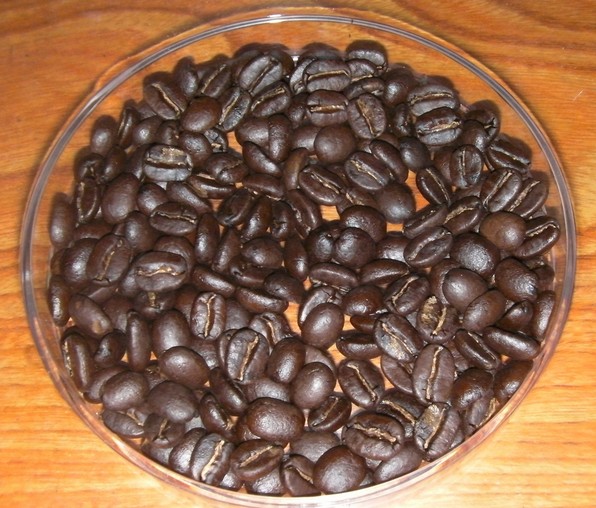
The resulting beans were described as oily, plump, smooth (without wrinkles or black spots), and exhibiting characteristics of a deep city roast. That judgement was based on visual assessment: sheen, surface texture, and colour. The roaster ultimately deemed the batch a failure due to over-roasting, likely entering or exceeding second crack.
Challenges of Home Oven Roasting
The report highlights several key hurdles in using a conventional kitchen oven for coffee roasting:
- Temperature Control: Precise temperature regulation is extremely difficult. The roaster relied mostly on colour observation rather than digital bean probes or environment sensors.
- Heat Distribution: Ovens typically have uneven heat zones. Maintaining even roast development across a small batch is unreliable.
- Timing First Crack: The first clear signs of first crack (at 180°C and 185°C) appeared around the 19:50 and 20:30 marks—but actual audible first crack wasn’t noted until 21:35. This delay confused the roast progression.
- Second Crack Confusion: By 23:13, the roaster heard frequent cracking, interpreted as possible second crack, leading to an early drop. The resulting roast was darker than intended.
The roaster summarized: “It’s hard to control the roast temperature. You basically have to judge by bean colour.” They also noted that reaching 180°C took only about a minute or so after ramp-up, at which point the beans were already approaching first crack visually.
Personal Takeaway & Conclusion
In this experiment, the roaster concluded that pulling the beans at first crack (around 21:35) would have been ideal—roughly 15 seconds after the first sparse crack was heard. Instead, the roast continued 1 minute 38 seconds longer, during which frequent crackling (likely second crack) was heard. The resulting deep city roast was too dark, marking the roast as unsuccessful by the operator’s own standards.
The key lesson: oven roasting requires careful attention to colour, sound, and time—and even then, small delays or misreads can push the batch into an unwanted roast level.
Equipment used included a standard home oven and an unspecified thermometer. No additional data (like airflow logs or bean probe temps) were recorded.
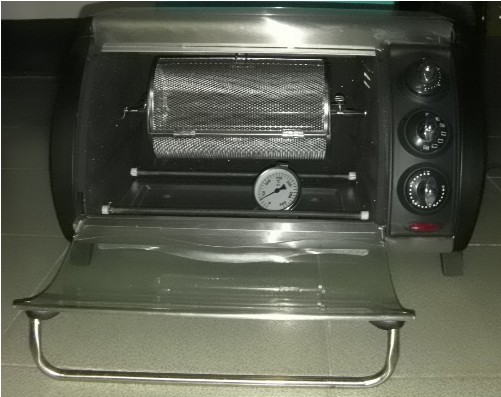
Image of the final roasted batch (flashlit).
Recommended FrontStreet Panamanian Coffee Beans
For those curious about Panamanian coffee profiles, FrontStreet offers two excellent single-origin options. The FrontStreetGeisha (Esmeralda Green Label Geisha) delivers bright notes of melon, citrus, jasmine, and oolong tea—classic high-altitude Panamanian complexity with a light, tea-like body. For something fruitier and more approachable, the FrontStreetGeisha (Esmeralda Green Label Geisha) highlights those hallmark Panamanian floral and citrus tones. Both beans showcase why Panama, especially Boquete region coffees, has become a global favourite. Freshly roasted within 5 days · Orders placed before 17:00 ship the same day · Next-day delivery across most of Guangdong Province.
FrontStreet Coffee is a long-established specialty coffee roaster in Guangzhou China, selling freshly roasted beans from its own farm in Yunnan as well as dozens of carefully selected single-origin beans from around the world for both pour-over and espresso. The products deliver consistently excellent quality and great value, with shipping within 24 hours. Guangzhou's FrontStreet Coffee shop is recommended by many coffee lovers, and the beans are now available online at the Tmall 。
Important Notice :
前街咖啡 FrontStreet Coffee has moved to new addredd:
FrontStreet Coffee Address: 315,Donghua East Road,GuangZhou
Tel:020 38364473