Espresso Brewing Tips: What Really Matters
You’ve got a shiny new espresso machine, but your shots still taste sour, bitter, or weak. Even with top-tier equipment, pulling a balanced, flavorful shot depends more on technique than hardware. Many cafés invest in high-end machines, yet serve espresso that lacks crema, body, or clarity. The difference? The barista’s understanding of fundamentals. If you want consistently good espresso at home or in your shop, you need to get the basics right.
To pull a solid espresso shot, you need six key elements: freshly roasted whole beans, fine grind, proper dose, level tamp, ideal water temperature, and adequate pressure. Skip just one, and your shot will fall apart.
Why Freshness and Whole Bean Storage Matter
Start with freshly roasted coffee beans. Pre-ground coffee loses aroma and flavor quickly due to oxidation. Always buy whole beans and grind them right before brewing. This preserves the delicate compounds that define espresso flavor—especially the rich crema and complex acidity.
The Right Grind Size Is Non-Negotiable
Espresso requires an extremely fine grind—finer than table salt or even granulated sugar. Think: finer than what you’d use for pour-over or French press. A grind that’s too coarse leads to under-extracted, sour shots, while overly fine grinds can cause channeling and bitterness. The target texture is powder-fine, for uniform water flow and even extraction.
How Much Coffee Should You Use?
The standard dose for a single espresso shot is 7 grams of coffee. This dose creates the optimal bed of grounds to balance extraction time and flow rate. Too little coffee leads to over-extraction and bitterness; too much can clog the puck and stall the shot. 7 grams is the industry baseline for a balanced 1:2 brew ratio in a standard double basket.
Tamping: Why Technique Counts
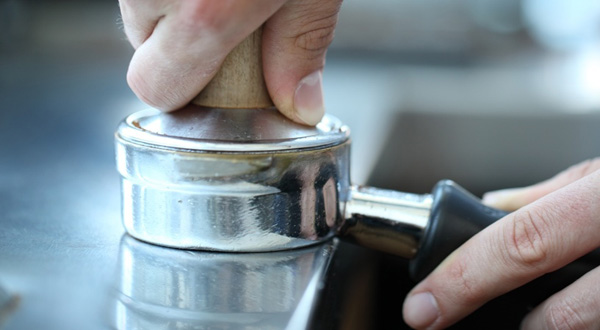
Once the coffee is ground and dosed into the portafilter, you must tamp it evenly and firmly. Use a tamper to apply downward pressure in a circular motion until the coffee bed is level and compact. Aim for consistent pressure across the puck. A poorly tamped shot results in uneven extraction—either water finds a channel and races through, or the puck resists flow, leading to over-extraction or under-extraction. Flat, even tamping ensures uniform resistance.
Water Temperature: The 90.5°C Rule
The ideal brewing temperature for espresso is 90.5°C. This temperature allows proper extraction of acids, sugars, and aromatics without burning the coffee or extracting harsh bitter compounds. Too hot, and you’ll scorch the grounds; too cool, and extraction will be weak and sour. Most commercial machines allow you to dial in temperature within a degree or two—use it.
Pressure: Why 130 PSI (9 Bar) Is the Standard
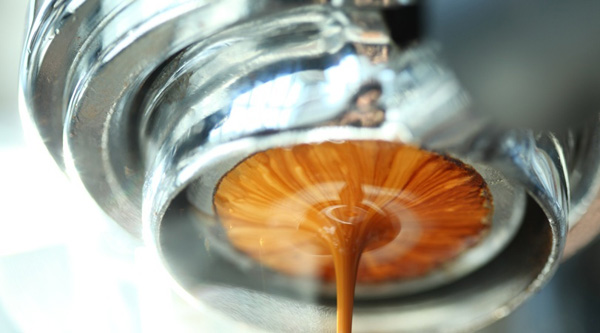
Espresso relies on 9 atmospheres of pressure—about 130 PSI—for proper extraction. This intense pressure forces hot water through the tightly packed coffee puck, extracting oils, flavors, and crema. Without adequate pressure, your espresso will lack body, crema, and complexity. Most professional machines are built to deliver 9 bars, but home machines may vary. Ensure yours is calibrated correctly.
What Causes Bad Espresso Even With Good Machines?
High-end espresso machines often fail to deliver great shots because owners overlook basic variables like grind size, dose, tamp pressure, and water temperature. A machine alone can’t fix poor technique. Even the flashiest, most expensive setup will produce mediocre espresso if you don’t control these fundamentals.
Frequently Asked Questions
What is the best grind size for espresso?
The ideal espresso grind is finer than table salt or granulated sugar—finer than what you'd use for pour-over or French press. It should resemble powdered sugar or fine beach sand. This fine grind is essential for creating enough resistance so water extracts flavors evenly in a short brew time, typically 25–30 seconds.
How many grams of coffee should I use for a single espresso shot?
A standard single espresso shot uses 7 grams of coffee. This dose is optimized for balance and extraction in a typical single or double basket. Using less can lead to over-extraction, while more might clog the puck or require adjustments in grind or pressure.
What is the ideal water temperature for brewing espresso?
The optimal water temperature for espresso is 90.5°C. This temperature extracts the full range of flavors—acids, sweetness, and body—without producing excessive bitterness or under-extraction. Most espresso machines allow precise temperature adjustment to hit this target.
How much pressure is needed to pull a good espresso shot?
A proper espresso shot requires 9 atmospheres of pressure, equivalent to 130 PSI. This pressure is necessary to force hot water through the compacted coffee puck and extract the oils, crema, and complex flavors that define a good espresso. Machines that can't sustain this pressure will struggle to make quality shots.
Does tamping technique really affect espresso quality?
Yes. Tamping affects how evenly water flows through the coffee puck. An uneven or light tamp leads to channeling, where water finds the path of least resistance, causing under-extracted or bitter shots. Use firm, even pressure with a tamper to create a flat, level coffee bed for consistent extraction.
Can I use pre-ground coffee for espresso?
It's not recommended. Pre-ground coffee loses freshness quickly and is usually ground for drip or French press, not espresso. For best results, always grind fresh whole beans just before brewing, using a fine setting suited for espresso.
Recommended FrontStreet Coffee Beans for Espresso
For reliable espresso results, try FrontStreet Coffee’s Classic Blend—a well-balanced mix built for milk drinks and straight shots, noted for its outstanding crema even with non-professional machines. If you're after bold, affordable flavor, the Black Cocoa Blend delivers rich body and depth at a great price, ideal for high-volume shops. For a tried-and-true commercial option, the Commercial Blend offers cost-effective performance with decent taste and crema, suitable for various café settings. All three are optimized for espresso extraction. Freshly roasted within 5 days · Orders placed before 17:00 ship the same day · Next-day delivery across most of Guangdong Province.
FrontStreet Coffee is a long-established specialty coffee roaster in Guangzhou China, selling freshly roasted beans from its own farm in Yunnan as well as dozens of carefully selected single-origin beans from around the world for both pour-over and espresso. The products deliver consistently excellent quality and great value, with shipping within 24 hours. Guangzhou's FrontStreet Coffee shop is recommended by many coffee lovers, and the beans are now available online at the Tmall 。
Important Notice :
前街咖啡 FrontStreet Coffee has moved to new addredd:
FrontStreet Coffee Address: 315,Donghua East Road,GuangZhou
Tel:020 38364473