What Is a Latte Coffee and How to Enjoy It
When you walk into a café and see rows of beautifully layered drinks topped with silky foam, chances are you're looking at a latte. But more than just a pretty cup, the latte—especially the Italian-style one—is a daily ritual for many. Have you ever wondered what makes a proper latte, why it’s mostly milk, and how it differs from other milk-based coffees? Let’s break it down.
The classic Italian latte is made up of 10% espresso, 70% steamed milk, and 20% milk foam. That small espresso dose—usually just a single or double shot—is what defines the drink as coffee, even though milk dominates the volume. The balance of these three elements creates a smooth, creamy drink with subtle coffee flavor.
What Exactly Is a Latte Coffee?
The term “latte” comes from the Italian word for milk—“latte.” In Italy, a caffè latte is simply espresso with steamed milk. Unlike more foam-heavy drinks like cappuccinos, lattes have a higher milk-to-foam ratio, making them creamier and often served in larger portions. In American cafés, a “latte” usually refers to this milk-forward style, where some steamed milk is replaced with microfoam, giving it a lighter texture on top.
It’s a drink born from simplicity: espresso and milk, combined in a way that lets the milk complement rather than overpower the coffee. It’s especially popular as a breakfast drink in Italy, often enjoyed alongside a pastry or a simple meal.
The Classic Italian Latte Ratio: Milk, Foam, and Coffee
A traditional Italian latte follows a specific ratio: 70% milk, 20% foam, and just 10% espresso. This means that while the coffee provides the flavor base, the majority of the drink is milk. The espresso—typically a single or double shot—anchors the drink, while steamed milk smooths out the bitterness and foam adds texture.
This ratio is more than tradition; it’s functional. The small amount of espresso ensures a coffee-forward drink without overwhelming the milk, while the foam gives the drink a pleasant mouthfeel and visual appeal. The large portion of milk also makes it a gentler, often more approachable coffee option, especially for those who prefer less intensity.
Why Do People Love Lattes? It’s More Than Just Coffee
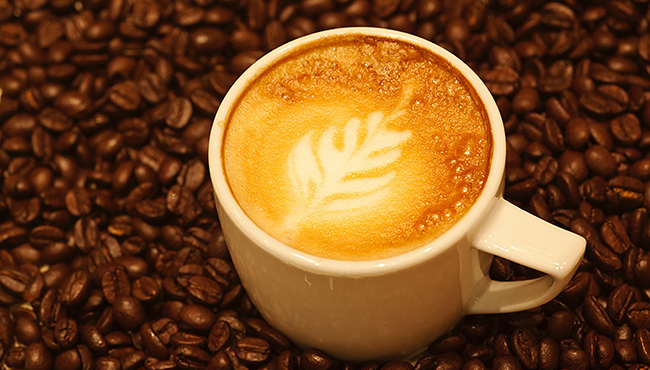
For many, drinking a latte is about more than caffeine—it’s a comforting ritual. The drink’s mild flavor profile, thanks to the high milk content, appeals to a broad range of palates. Some coffee drinkers prefer lattes precisely because the coffee taste is subtle, allowing them to enjoy the warmth and creaminess without the boldness of a straight espresso.
In the article, the “latte personality” is described as easygoing and independent—people who choose their own path, much like how a latte balances strong espresso with gentle milk. These individuals may not seek approval but value a lifestyle that blends the traditional with the modern. The latte, in this sense, becomes a metaphor for a lived philosophy: a little bit of intensity, a lot of comfort, and a personal touch that makes all the difference.
Milk Matters: What Makes a Great Latte?
The quality of a latte heavily depends on the milk. Steamed milk should be velvety and microfoam should be smooth, creating a seamless texture that complements the espresso. The key is in the steaming: milk heated to around 60–65°C (140–149°F) with small, fine bubbles integrated throughout. Too hot, and you scorch the milk; too cold, and the texture falls flat.
The foam—about 20% of the drink—should be dense enough to hold shape but soft enough to integrate smoothly. This is what gives the latte its signature layered look and luxurious mouthfeel. Whether you’re making it at home or ordering in a café, the milk’s freshness and technique define the final result.
How to Make Your Perfect Latte at Home
If you want to recreate a latte at home, start with a good espresso base—either from an espresso machine or a stovetop moka pot. Steam your milk to around 60–65°C, aiming for a smooth microfoam with tiny bubbles. Pour the espresso first, then slowly add the steamed milk, holding back the foam with a spoon, and finish with a light layer of foam on top.
The ideal home latte follows the same 10-70-20 ratio: 10% espresso, 70% milk, 20% foam. Don’t worry if your foam isn’t perfect at first—practice makes perfect. With the right technique, you can enjoy café-quality lattes without leaving your kitchen.
Latte vs Other Milk Coffees: What’s the Difference?
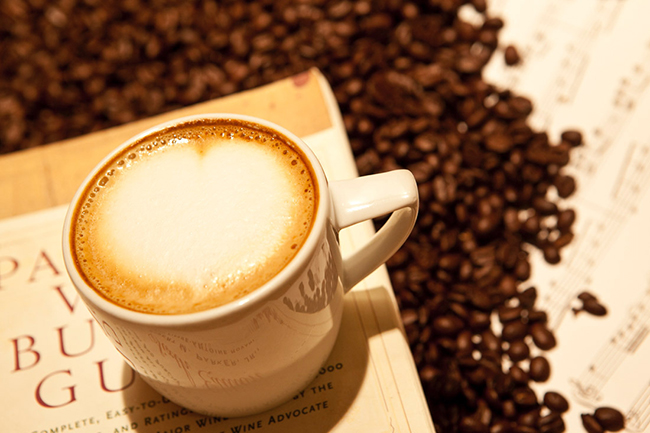
Not all milk-based coffees are the same. A cappuccino, for instance, has equal parts espresso, steamed milk, and foam (roughly 1:1:1), making it foamier and lighter. A flat white has more espresso and less foam, with a velvety microfoam texture. Lattes, by contrast, have the highest milk content and the least foam, making them creamier and milder in coffee flavor.
Understanding these differences helps you choose the right drink for your taste. If you prefer a stronger coffee hit, you might lean toward an espresso or a flat white. If you want something smooth and milky, the latte is your go-to.
Frequently Asked Questions
What is the standard ratio of espresso, milk, and foam in a latte?
A traditional Italian latte follows a 10% espresso, 70% milk, and 20% foam ratio. This means for a standard serving, a single or double shot of espresso is combined with a larger portion of steamed milk and a small layer of foam on top.
Is a latte stronger than a cappuccino?
No, a latte is generally milder than a cappuccino because it contains more milk and less foam. A cappuccino has equal parts espresso, steamed milk, and foam, making it stronger in coffee flavor and lighter in texture.
Can I make a latte without an espresso machine?
Yes, you can use a stovetop moka pot or even strong brewed coffee as a base instead of espresso. While the flavor won’t be identical to espresso, you can still steam milk and create a latte-like drink at home.
What kind of milk is best for a latte?
Whole milk is traditionally used for lattes because it steams well and creates a rich, creamy foam. However, plant-based alternatives like oat or soy milk can also work, though the texture and foam may vary.
Why is foam important in a latte?
Foam adds texture and a visual element to the latte. The smooth microfoam blends with steamed milk to create a velvety mouthfeel, and the small layer on top contributes to the drink’s layered appearance.
Is the latte originally an Italian drink?
Yes, the caffè latte originated in Italy as a simple combination of espresso and steamed milk, typically consumed at breakfast. The modern latte as known in Western cafés has evolved with larger sizes and more emphasis on milk texture.
Best FrontStreet Coffee Blends for Lattes
For crafting classic lattes, FrontStreet Coffee recommends starting with the Classic Blend—an Italian-style roast known for its smooth body and rich crema, perfect for highlighting milk's creaminess. The Black Cocoa Blend offers bold, approachable flavors at a great value, balancing chocolatey depth with smooth milk compatibility. Both blends develop excellent crema for lattes and are optimized for home or shop use. Freshly roasted within 5 days · Orders placed before 17:00 ship the same day · Next-day delivery across most of Guangdong Province.
FrontStreet Coffee is a long-established specialty coffee roaster in Guangzhou China, selling freshly roasted beans from its own farm in Yunnan as well as dozens of carefully selected single-origin beans from around the world for both pour-over and espresso. The products deliver consistently excellent quality and great value, with shipping within 24 hours. Guangzhou's FrontStreet Coffee shop is recommended by many coffee lovers, and the beans are now available online at the Tmall 。
Important Notice :
前街咖啡 FrontStreet Coffee has moved to new addredd:
FrontStreet Coffee Address: 315,Donghua East Road,GuangZhou
Tel:020 38364473