How Different Countries Drink Coffee Around the World
You’ve heard the phrase—‘I’m not at home, I’m at the café. Not at the café, I’m on my way there.’ But what does that really mean? Whether you're wandering cobblestone alleys in Rome or sipping cold brew in Seattle, coffee shops tell you more about a city than any museum. Every country drinks coffee differently—and understanding those differences can change the way you taste it.
From London’s 17th-century coffeehouses to Vienna’s literary cafés, five major cities showcase unique ways people drink, think about, and gather over coffee. Each location offers a distinct ritual, from Italy’s rapid espresso shots to Melbourne’s slow craft pours. Want to travel through coffee culture without leaving your chair? Read on.
London: Where Coffee Once Ruled Over Tea
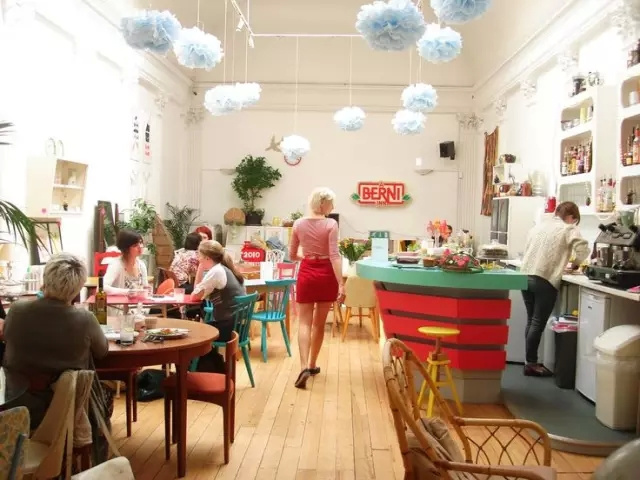
In the 17th and early 18th centuries, London was more obsessed with coffee than tea. While today it’s all about Earl Grey, back then men swapped ale for coffee—or did both in a row. The first London coffeehouse opened in Oxford in 1650, run by a Lebanese Jew. By 1700, London had over 2,000 coffee shops.
These weren’t just caffeine stops. Coffeehouses became early public spheres where people of similar professions or beliefs gathered. Think of them as the original Slack channels—but for Puritans, lawyers, and poets. Each coffeehouse cultivated its own regular crowd, creating micro-communities amid grand societal shifts.
Coffee Shops to Visit in London:
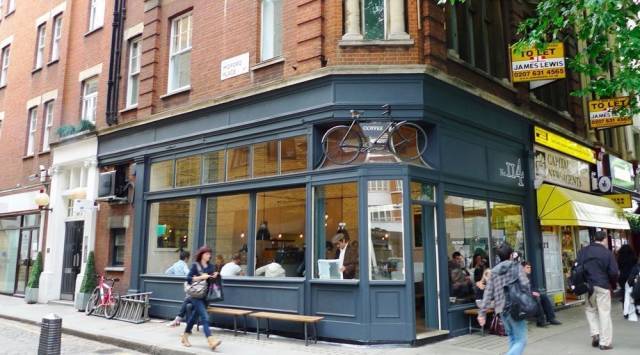
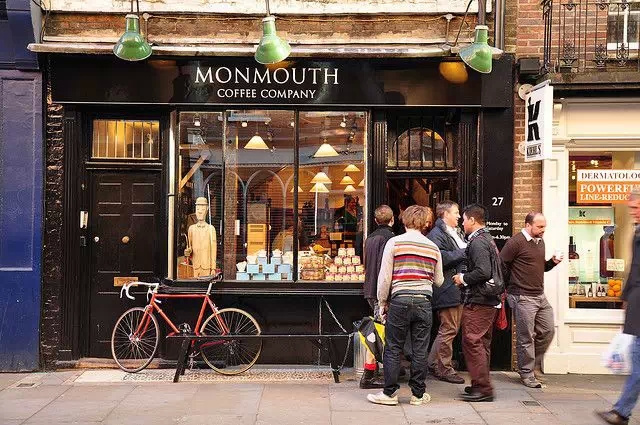
- Monmouth Coffee: Founded in 1978 on Monmouth Street in Covent Garden, it’s London’s most respected independent shop. Their roast profiles have been refined for 30 years.
- Guardian Coffee: A newsroom-meets-café hybrid featuring tablets preloaded with The Guardian’s top stories, all designed for one-hour reading sessions.
- Cafe Vintage: A retro haven opened in 2010 by sisters Aysha and Nadia Allman, blending vintage decor with artisan coffee and baked goods.
Rome: Birthplace of the Espresso
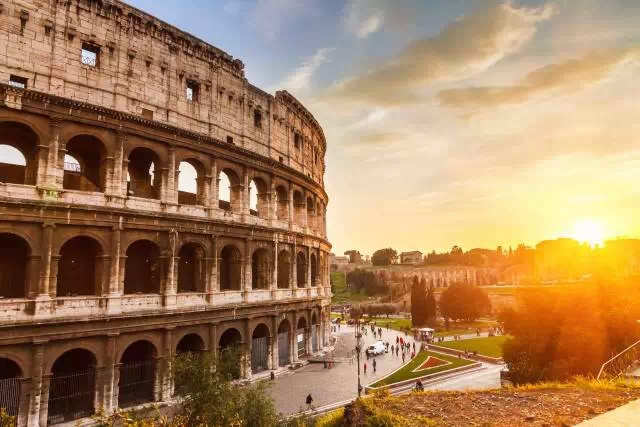
Italians didn’t invent coffee, but they perfected the espresso. In Rome, coffee isn’t a drink—it’s a daily ritual. Locals often sip a quick espresso standing at the bar before heading to work. Cafés here stay open all day, never slowing down.
No one tracks how many espressos Italians drink per day, but the cafés never seem empty. The coffee scene reflects Italy’s love for tradition, speed, and socializing—all in under 30 seconds.
Coffee Shops to Visit in Rome:
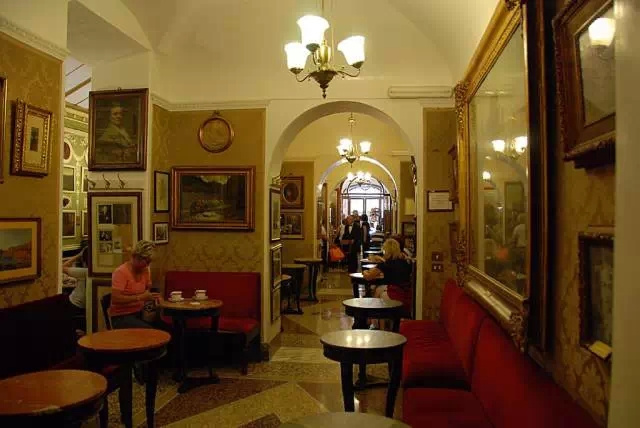
- Antico Caffè Greco: Opened in 1760 on Via Condotti, this is Rome’s oldest café. Think literary greats like Goethe, Shelley, and Casanova once sipped here.
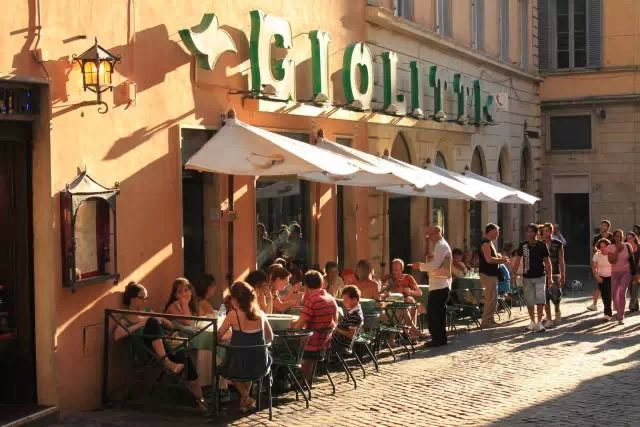
- Caffe Giolitti: Since 1890, this spot is as famous for its gelato as its coffee—yes, this is where Audrey Hepburn’s character enjoyed her treat in Roman Holiday.
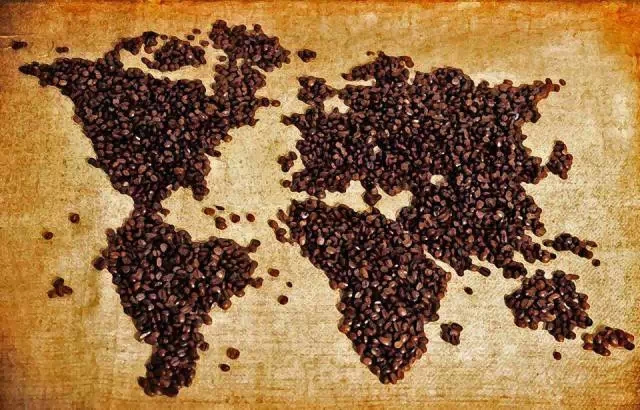
Seattle: America’s Coffee Capital
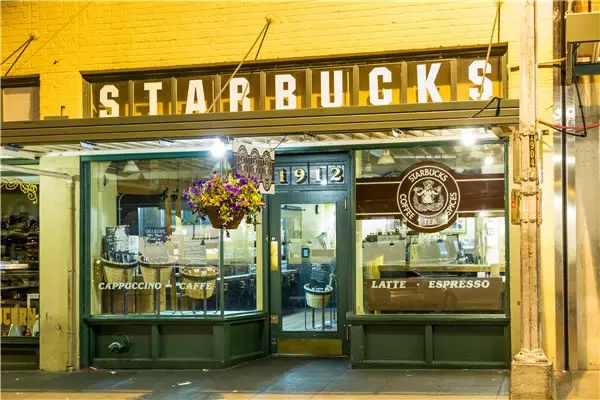
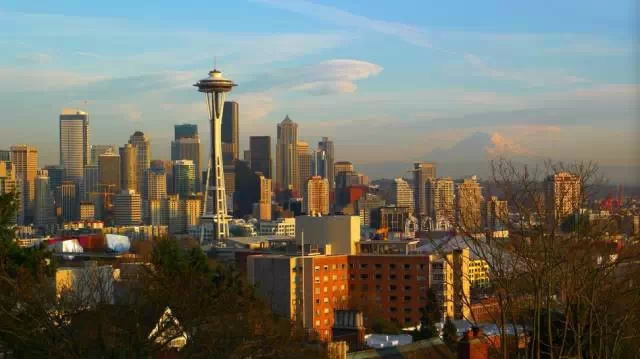
Seattle is to coffee what Nashville is to country music. With 424 Starbucks outlets and a population-wide coffee habit, it’s no wonder the city produces 10 times more cafés per capita than the U.S. average. Local coffee shops generate $12 billion annually. Coffee here is a lifestyle, not just a drink.
The city’s coffee culture is rooted in community. People meet at cafés to work remotely, read, or chat for hours. It’s the kind of place where your laptop has a usual table.
Coffee Shops to Visit in Seattle:
- Original Starbucks: Located in Pike Place Market, this 1971 shop sells coffee beans and gear—not espresso. Its original mermaid logo remains unchanged.
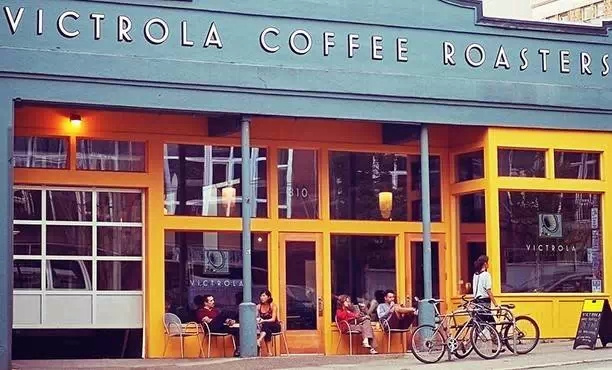
- Victrola Coffee Roasters: A local favorite known for roasts, rock opera nights, carrot cake, and community events.
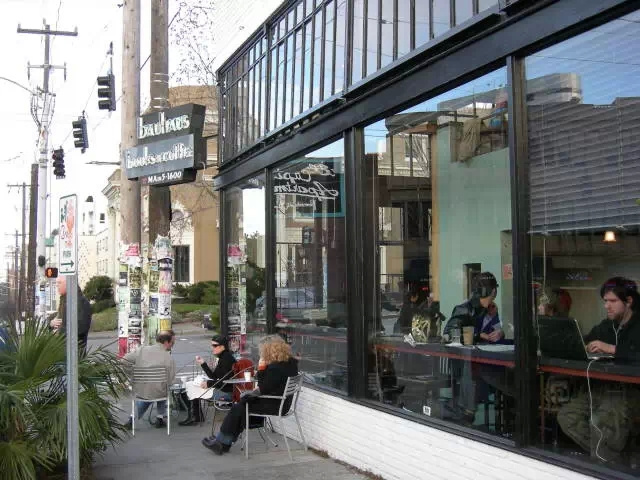
- Bauhaus Books & Coffee: A Capitol Hill bookstore-café hybrid, famed for its literature, atmosphere, and classic-style lattes.
Melbourne: Australia’s Coffee Epicenter
Coffee in Australia didn’t truly thrive until the 1950s, when Italian immigrants brought espresso culture. Today, Melbourne ranks among the world’s top coffee cities alongside Paris, Vienna, and Havana. The city’s best cups are often hidden in alleyways or repurposed factories.
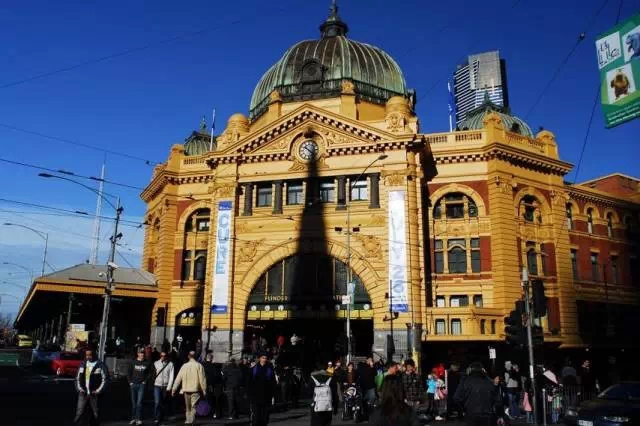
Melburnians are famously particular about their coffee. Whether it’s a flat white or a piccolo, every cup is treated with respect—and skill.
Coffee Shops to Visit in Melbourne:
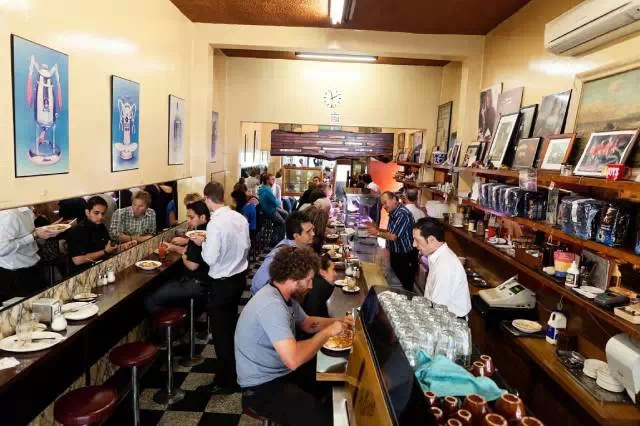
- Pellegrini’s Espresso Bar: Operating since the 1960s, this iconic spot serves authentic Italian espresso alongside house-made dishes.
- Manchester Press: Known for artistic latte art and alleyway charm, this shop is a must-visit for any coffee design lover.
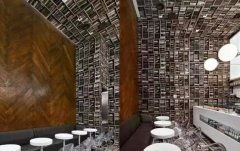
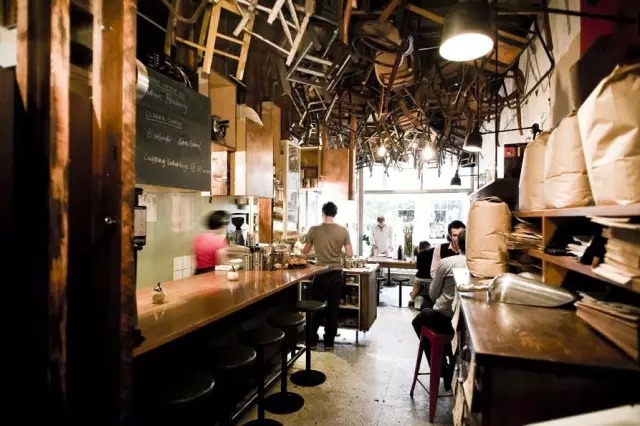
- Brother Baba Budan Cafe: A small but striking space with a ceiling hung with wooden chairs—a quirky nod to coffee’s global journey.
Vienna: Where Coffee Meets Culture
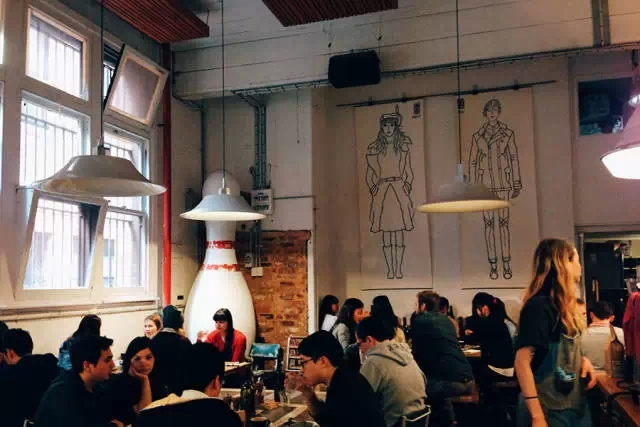
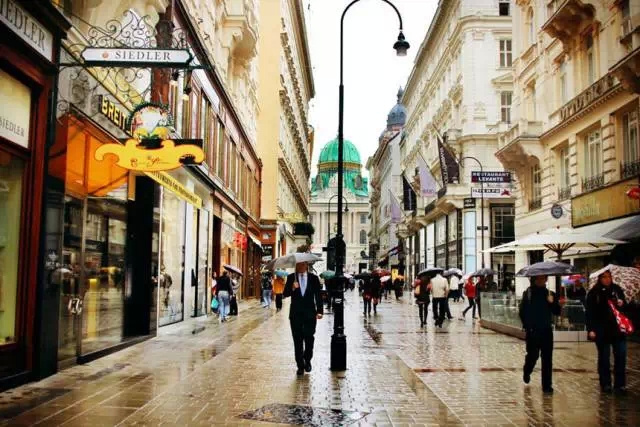
Vienna’s coffeehouses aren’t just places to drink—they’re institutions. Poets, philosophers, and revolutionaries have debated life over coffee and apple strudel for centuries. The Viennese coffeehouse is listed as an Intangible Cultural Heritage by UNESCO.
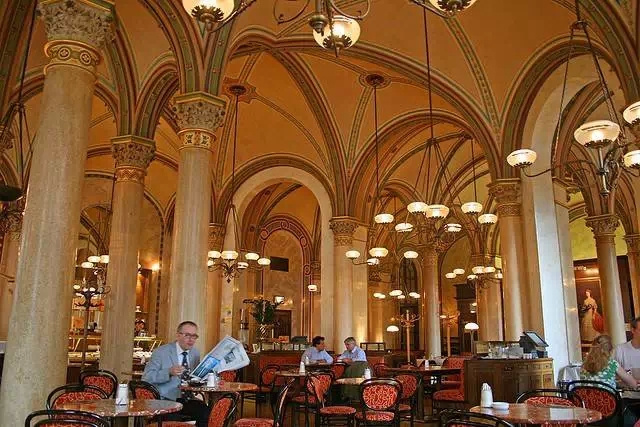
These cafés blend coffee with cake, conversation, and contemplation. Some patrons stay for hours reading newspapers provided free by the house. It’s not unusual to see someone nursing a single coffee for an entire afternoon.
Coffee Shops to Visit in Vienna:
- Café Central: A 19th-century landmark where Lenin and Trotsky once plotted. Think high ceilings, marble columns, and intellectual energy.
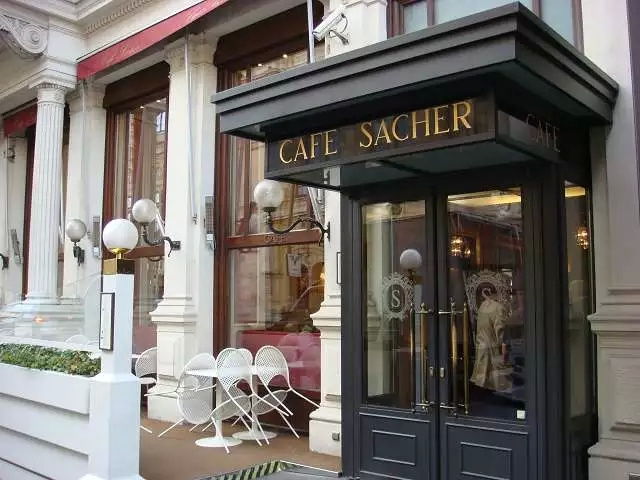
- Café Sacher: Home of the original Sachertorte, this café inside the Hotel Sacher is a slice of imperial Viennese history.
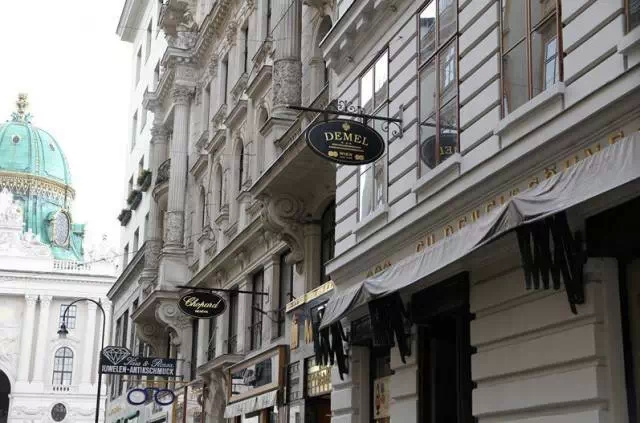
- Demel: A historic pastry shop and café serving royal confections since 1786. Yes, the uniforms are part of the experience.
Frequently Asked Questions
Where was coffee first discovered according to legend?
Legend says coffee was discovered in the 7th century when a Ethiopian shepherd noticed his goats became energetic after eating red berries—later recognized as coffee cherries.
When did coffee arrive in Europe?
Coffee arrived in Europe in the 16th century, transported by Arabs through Yemen’s port of Mocha. It spread from there to the rest of the continent.
What makes Italian espresso culture unique?
Italians typically drink espresso quickly, often standing at the bar. It’s a daily habit, not a lingering experience, and cafes remain busy throughout the day.
Why is Seattle considered America’s coffee capital?
Seattle hosts 424 Starbucks stores and has 10 times more coffee shops per person than the U.S. average. It’s a hub for coffee culture, remote work, and community gathering.
Which city is known for having some of the best coffee in the world?
Melbourne is ranked among the top global coffee cities, alongside Vienna, Paris, and Havana, thanks to its strong Italian espresso heritage and local specialty scene.
What is special about Viennese coffeehouses?
Viennese coffeehouses are cultural institutions where people read, write, and converse for hours, often served with newspapers and desserts like apple strudel.
Recommended FrontStreet Coffees for Global Café Culture
Explore FrontStreet Coffee’s Ethiopia Humbera for bright floral notes reminiscent of a Melbourne flat white, or the Yirgacheffe for juicy berry tones perfect alongside a Viennese Sachertorte. For something closer to a Roman espresso, try the Brazil Queen Manor—chocolatey and balanced, ideal for sipping quickly at a historic bar. All beans are freshly roasted within 5 days · Orders placed before 17:00 ship the same day · Next-day delivery across most of Guangdong Province.
FrontStreet Coffee is a long-established specialty coffee roaster in Guangzhou China, selling freshly roasted beans from its own farm in Yunnan as well as dozens of carefully selected single-origin beans from around the world for both pour-over and espresso. The products deliver consistently excellent quality and great value, with shipping within 24 hours. Guangzhou's FrontStreet Coffee shop is recommended by many coffee lovers, and the beans are now available online at the Tmall 。
Important Notice :
前街咖啡 FrontStreet Coffee has moved to new addredd:
FrontStreet Coffee Address: 315,Donghua East Road,GuangZhou
Tel:020 38364473