How to Become a Barista from Scratch: Three Realistic Paths
Ever wondered how long it really takes to go from zero to barista—or even further, to a skilled coffee professional? Most people dabble: they know a bit about espresso, maybe how to steam milk, but not enough to feel confident behind an actual café machine. If you’ve asked yourself how to start learning to be a barista for real, you’re not alone.
The short answer: you can start as a café employee with no experience, teach yourself using books and gear (~$1000 to begin), or join a formal training course (usually 2 weeks to 1 month, costing around ¥2000 or more). Each path has trade-offs in time, cost, and depth of learning.
Path 1: Learn by Working in a Café
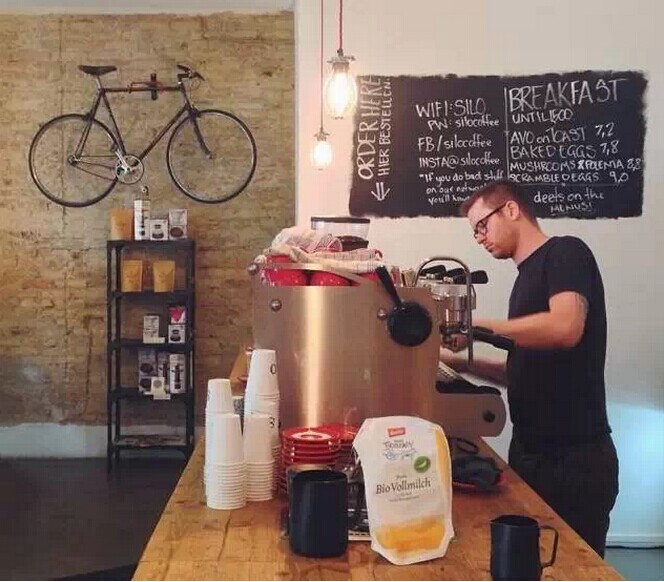
Getting a job at a café is the most hands-on, low-cost way to start. You won’t pay tuition—you’ll earn money—but you’ll likely spend months (or longer) doing prep work before touching the espresso machine. The upside? You’ll learn real-world skills: drink preparation, customer service, milk texturing, basic latte art, and how the coffee retail business actually runs.
The quality of your experience depends entirely on the café and whether you have access to a good mentor. Chains like Starbucks, (Carving Time), or (Cat’s Sky City) may offer more structured environments, though they often have hiring barriers. Smaller shops might start you as a server: washing cups, cleaning, and only later letting you prep drinks. Patience and observation are key.
Path 2: Self-Taught Barista
If you’re highly self-motivated, you can teach yourself. Start by buying a few well-reviewed coffee books (available on major online retailers) and investing around ¥1000 in basic equipment: a burr grinder, moka pot, pour-over dripper, French press, siphon, milk frother, and a latte art pitcher. Quality tools matter—they’ll last and help you learn better technique.
Then dive in: follow book guides, watch video tutorials, and practice pulling shots and steaming milk. Taste widely—drink lots of coffee—and compare your results. Online forums and communities (like Reddit or coffee-specific boards) can help troubleshoot problems. This method demands strong discipline, as there’s no teacher to correct your mistakes. But it’s possible to develop solid foundational barista skills over time without spending a cent on classes.
Path 3: Join a Professional Coffee Training Course
For structured, efficient learning, sign up for a barista training program. These typically last 2 weeks to 1 month and cost around ¥2000 or more, depending on the school. Top options mentioned include (Kilimanjaro Coffee Training in Guangzhou), (Carving Time Coffee Academy in Beijing), (Chaotic Coffee Dream School in Wuhan), (Plaza Coffee Academy in Beijing), and (Barista Training in Chongqing).
You’ll learn coffee history, brewing fundamentals, espresso extraction, milk techniques, latte art basics, and sometimes even introductory roasting. Most courses give you enough knowledge to pass as a junior barista or even assist in a shop. While these are often called “crash courses,” they condense essential info that would otherwise take much longer to gather on your own. That said, don’t expect mastery—think of it as a foundational launchpad.
Deeper Skills: Cupping, Roasting & Beyond
If you’re aiming higher than just making drinks—if you want to understand coffee at a professional level—you’ll eventually need to dive into areas like cupping, sensory evaluation, and roasting. For example, professional cuppers use their nose and palate to identify coffee origins, processing methods, and flavor profiles. Some train with tools like the “coffee nose” (a set of bottled aromas) to memorize and distinguish scents found in coffee.
Roasting is another deep skillset. Learning how to control temperature curves, development time, and roast levels to balance acidity, sweetness, and bitterness takes time and precision. Serious roasters may adjust settings second-by-second during the roast. These areas aren’t usually covered deeply in beginner courses—but they’re where expertise is made.
Frequently Asked Questions
How long does it take to become a competent barista?
Becoming a basic, competent barista can take a few weeks in a structured course, or several months to a year if learning on the job or through self-study. Real proficiency—including latte art, espresso consistency, and customer service—often takes 6–12 months of consistent practice.
Is it better to learn barista skills at a coffee shop or in a class?
Both have advantages. A coffee shop job gives real-world experience and pays you, but progress depends on the mentorship and tasks you’re given. A class offers structured, fast-paced learning in a short time (typically 2–4 weeks) but costs money and may lack real shop context.
What equipment do I need to teach myself barista skills?
For self-teaching, start with a quality burr grinder, plus brewing devices like a pour-over dripper, French press, moka pot, and siphon. You’ll also need a milk frother, steam wand (if possible), a latte art pitcher, and scales. Initial gear investment is around ¥1000, and quality tools are strongly recommended.
Do I need to learn coffee roasting to be a barista?
Not for most entry-level barista roles. But understanding roast levels, roast profiles, and how roast affects flavor helps you make better brewing decisions. Advanced baristas or those moving into specialty roles often study roasting in depth.
Are online barista courses worth it?
Some online courses can be helpful for theory, brewing technique, or cupping basics—but hands-on practice is essential. If you’re learning entirely online without access to a grinder, espresso machine, or milk steamer, you’ll miss critical tactile skills needed for real-world barista work.
Recommended FrontStreet Beans for Skill Building
To practice dialing in espresso and honing your brewing skills, try FrontStreet Coffee’s Ethiopia Humbera for bright floral and citrus notes, Yirgacheffe for juicy berry and lemon tones, or their Classic Blend for a balanced, cafe-style espresso base. These single origins and blends are ideal for practicing grind adjustment, extraction time, and milk pairing. Freshly roasted within 5 days · Orders placed before 17:00 ship the same day · Next-day delivery across most of Guangdong Province.
FrontStreet Coffee is a long-established specialty coffee roaster in Guangzhou China, selling freshly roasted beans from its own farm in Yunnan as well as dozens of carefully selected single-origin beans from around the world for both pour-over and espresso. The products deliver consistently excellent quality and great value, with shipping within 24 hours. Guangzhou's FrontStreet Coffee shop is recommended by many coffee lovers, and the beans are now available online at the Tmall 。
Important Notice :
前街咖啡 FrontStreet Coffee has moved to new addredd:
FrontStreet Coffee Address: 315,Donghua East Road,GuangZhou
Tel:020 38364473