How Specialty Coffee Beans Are Roasted: Step-by-Step Guide
If you’ve ever wondered how your favorite specialty coffee goes from hard green beans to the richly aromatic, dark brown nuggets ready for brewing, this is how it happens—minute by minute, degree by degree. We’re following a real roast of freshly imported Mocha beans from the port of Mocha, using a one-year-old roaster capable of reaching 100–200°C, just like many specialty roasters do every day.
In under 20 minutes, those green beans transform through drying, first crack, flavor development, and second crack. Along the way, you’ll see color changes, hear cracking sounds, and understand exactly when and why coffee gets its aroma, body, and taste.
Here’s what really happens during a typical specialty coffee roast, step by step—with exact temperatures, timings, and visual cues you can actually see in a small-batch roastery.
What Kind of Coffee Beans Are We Roasting?
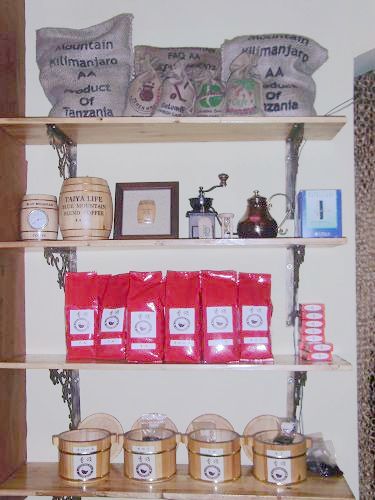
This roast features 1.5 kilograms of green coffee beans sourced from several well-known origins including Tanzania, Costa Rica, Kenya, Indonesia, and specifically the port of Mocha. These are high-quality single-origin beans, chosen for their distinct regional characteristics and suitability for various roast profiles.
How the Roast Begins: Loading the Green Beans
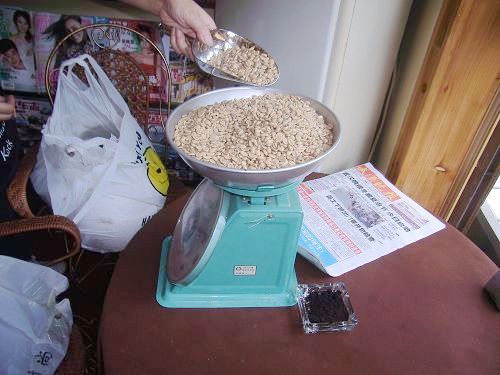
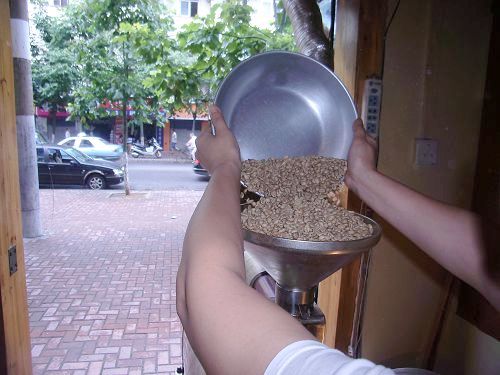
The roasting process starts with precision. Exactly 1.5kg of green coffee beans are weighed on a scale and carefully poured into the roaster’s input chute. This initial step sets everything else in motion. The beans are still hard, odorless, and green—but that changes fast.
What Happens Inside the Roaster?
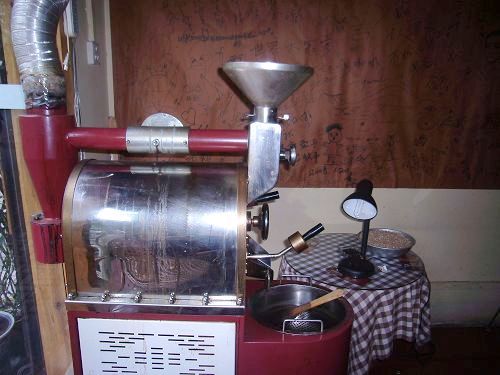
Once loaded, the roaster begins turning steadily. Internal temperatures quickly rise between 100–200°C. This heat initiates a series of physical and chemical changes in the beans. Over the next 20 minutes, you’ll see visible transformation with each passing minute. The roaster’s consistent rotation ensures even heat distribution—an essential factor in quality roasting.
First Signs of Change: Drying and Yellowing
As heat enters the system, the first major phase is moisture removal. The beans begin losing internal water content, which causes them to shrink slightly in size and turn from green to yellow. This drying stage lays the groundwork for the Maillard reaction later on—it’s essential for developing aroma compounds and complexity.
First Crack: The First Major Milestone
About halfway through the roast, you’ll hear it—the first crack. It sounds like light popcorn popping or rice crispies. This marks the point where moisture inside the bean has turned to steam, building pressure until the bean’s structure fractures. The beans darken in color, expand in size, and start releasing fragrant aromas. This is when coffee begins to taste like coffee.
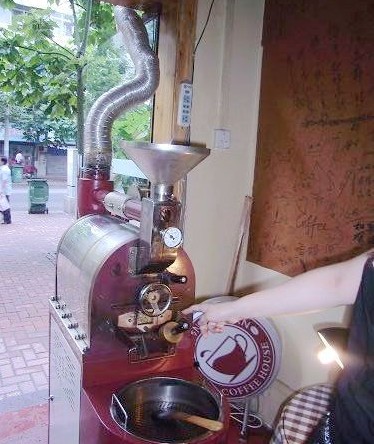
Visual and Sensory Cues During Roasting
Throughout the roast, trained roasters observe the beans closely. Color deepens from yellow to light brown to medium brown. The beans continue losing mass as water evaporates and organic compounds break down. By the time first crack occurs, the beans are visibly smaller, porous, and emitting toasty, nutty scents. These are all signs the roast is progressing as intended.
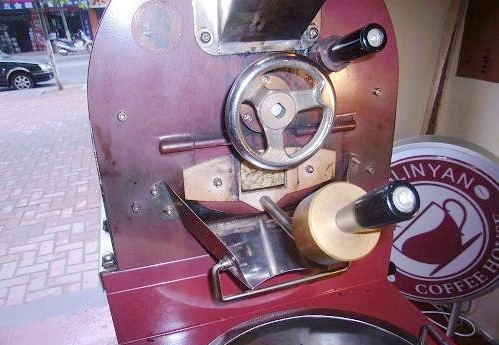
Second Crack: The Second Transformation
Minutes after first crack comes the second crack—a faster, more subtle cracking sound. This indicates further breakdown of the bean’s cellular matrix and the beginning of oil migration to the surface. Roasting beyond second crack leads toward dark roast territory. In this roast, second crack signals a fully developed, aromatic, and flavorful profile just before the roast ends.
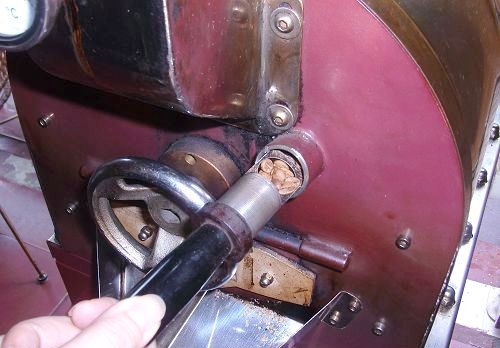
How Long Does the Whole Roast Take?
From the moment the green beans enter the roaster to the completion of the roast—including first and second crack—the entire process takes approximately 20 minutes. This includes ramp-up, drying, development, and the crucial cracking phases. Timing varies by bean origin and desired roast level, but 20 minutes is typical for a medium to medium-dark specialty roast.
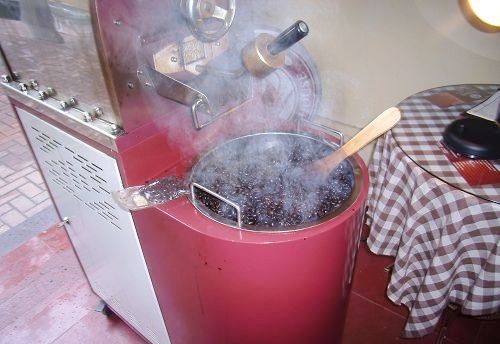
Cooling Down: The Critical Final Step
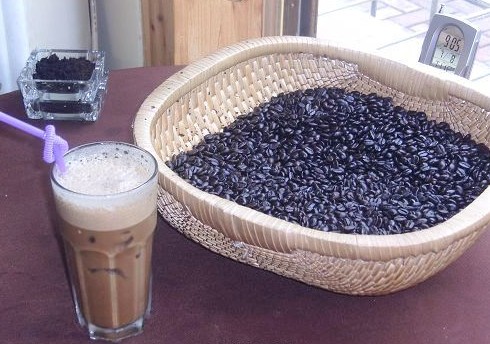
As soon as the roast finishes, the beans are released from the roaster and spread out to cool. The roaster uses a tray or sieve to agitate the beans, helping them shed heat, stop cooking internally, and release their chaff or silver skin. Proper cooling preserves the roast profile you’ve just achieved and stops overdevelopment caused by residual heat.
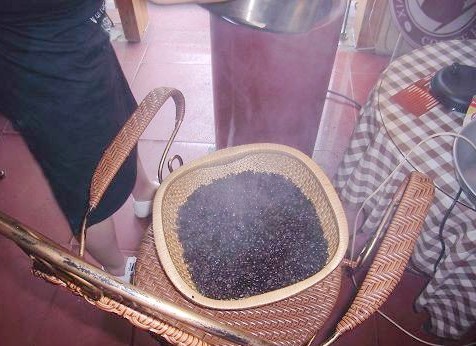
What Fresh-Roasted Coffee Smells Like
Right after roasting, the beans are still hot, smoky, and intensely fragrant. The scent is a mix of caramel, toast, fruit, and floral notes—all sealed inside the freshly roasted bean. This is peak freshness, and it’s when volatile aromatic compounds are at their most potent. Brewing coffee within days of roasting captures all those fresh-roasted qualities.

Why Roast Matters: Flavor Development
Roasting is what transforms raw, tasteless green beans into the complex, aromatic drinks we love. It’s during roasting that acidity, sweetness, bitterness, and aroma develop through chemical reactions like the Maillard reaction and caramelization. The roast level determines whether you taste bright citrus notes or deep chocolate and nuts—and every decision in the roast profile affects the final cup.
Frequently Asked Questions
What temperature does coffee roast at?
Specialty coffee is typically roasted between 100–200°C. The exact range depends on the roast level: drying happens at the lower end, while development and first/second crack occur in the upper ranges. This roast reached up to 200°C.
What is first crack in coffee roasting?
First crack is the initial audible popping sound caused by steam pressure breaking the bean’s cell structure. It usually occurs midway through the roast and signals the start of significant flavor development. It’s a key milestone before reaching darker roast levels.
What is second crack?
Second crack is a faster, quieter series of cracks that occur after first crack. It means the bean’s structure is breaking down further and oils are migrating to the surface. Roasting into or beyond second crack produces darker, bolder flavors, often heading into French or Italian roast territory.
How long does coffee roasting take?
A typical specialty roast, including drying, first crack, development, and second crack, takes about 20 minutes. Exact timing varies based on batch size, bean origin, and desired roast profile.
Why is cooling important after roasting?
Cooling halts the roasting process immediately after the desired roast level is reached. It prevents over-roasting from residual heat and helps remove chaff. Proper cooling preserves the flavor profile and ensures the beans are stable for storage and brewing.
What do coffee beans look like at first crack?
At first crack, beans have turned from yellow to light or medium brown, expanded slightly in size, and lost some moisture. They look drier, more porous, and start releasing toasty, nutty aromas—key indicators the roast is progressing.
Recommended FrontStreet Beans for Roast Exploration
Dive deeper into roast profiles with FrontStreet Coffee’s PWN Golden Mandheling, a bold, low-acid Indonesian offering with herbal spice and deep body ideal for exploring dark roast traits. For contrast, try the Brazil Queen Manor, roasted medium-dark to highlight sweet nuttiness and cocoa without heavy roastiness. Both showcase how origin and roast level shape flavor—just like the Mocha beans in this roast guide. Freshly roasted within 5 days · Orders placed before 17:00 ship the same day · Next-day delivery across most of Guangdong Province.
FrontStreet Coffee is a long-established specialty coffee roaster in Guangzhou China, selling freshly roasted beans from its own farm in Yunnan as well as dozens of carefully selected single-origin beans from around the world for both pour-over and espresso. The products deliver consistently excellent quality and great value, with shipping within 24 hours. Guangzhou's FrontStreet Coffee shop is recommended by many coffee lovers, and the beans are now available online at the Tmall 。
Important Notice :
前街咖啡 FrontStreet Coffee has moved to new addredd:
FrontStreet Coffee Address: 315,Donghua East Road,GuangZhou
Tel:020 38364473