How to Sound Like a Coffee Expert in Under a Minute
You’re at a café, sipping your drink, when someone mentions ‘82-year-old Lafite’, ‘Kobe beef’, or worst of all, ‘Blue Mountain coffee’—and you have no idea what they really mean. You nod along, but inside you’re screaming: What are they even talking about? How do I sound like I know coffee without sounding clueless?
The secret? Know three coffee types, six basic taste notes, and the real origin of lattes. That’s all it takes to talk coffee like a pro—in under a minute.

The Three “Coffee Families” Everyone Talks About

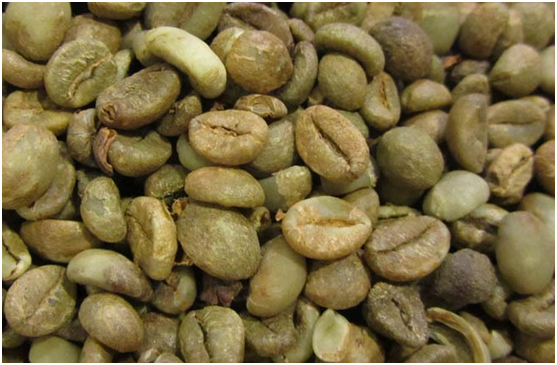
Coffee isn’t just coffee. There are three major species, each with its own reputation, flavor profile, and global presence. Think of them as coffee’s most influential families.

1. Robusta – The Bold Young Rebel

Originating in the Congo, Robusta is the edgy, caffeine-packed cousin in the coffee family. With nearly double the caffeine of Arabica, it’s sharp, bitter, and thrives in instant and canned coffee. It grows easily in hot climates and high yields make it popular in Vietnam, Indonesia, and Africa—especially Vietnam, where it’s a national priority crop. It’s bold, brash, and not for the faint of tongue. Posh rating: ★★★

2. Arabica – The Sophisticated Classic

Hailing from Ethiopia’s highlands, Arabica is the refined elder statesman. It entered the mainstream in the 13th century as a medicinal drink and went global by the 16th. Known for its smoother, more nuanced cup, Arabica is grown across South and Central America, Africa, Asia, and in parts of China like Yunnan, Hainan, and Taiwan. It’s the go-to bean for specialty coffee. Posh rating: ★★★★

3. Liberica – The Elusive Aristocrat

This rare species, native to regions near the Atlantic, is the mysterious billionaire no one sees. With huge beans and an intense aroma, Liberica makes an impression with just one sip—but it’s hard to find and doesn’t court popularity. You either seek it out or never know what you’re missing. Posh rating: ★★★★★

The Six Words That Define Great Coffee

Real coffee tasting goes beyond ‘too bitter’ or ‘needs sugar.’ Here’s how pros talk about flavor:

- (Aroma) – The fragrance; think floral, fruity, or earthy notes.
- (Sweetness) – A pleasant sugary or honey-like taste.
- (Body/Thickness) – The mouthfeel; rich and weighty.
- (Astringency) – A dry, puckering sensation.
- (Bitterness) – Sharp, lingering bitterness (not always bad).
- (Acidity) – Bright, tangy flavors like citrus or green apple.

Most people just say ‘this coffee is good’ or ‘it’s too bitter.’ Don’t be that person. Instead, sniff deeply and say, ‘Wow, I get these floral notes—like Sicilian marguerite flowers.’ Then take a sip and comment on the balance of sweetness and acidity dancing on your tongue. Finally, finish with a reflective sigh: ‘It’s best enjoyed black—pure, unfiltered, and deeply personal.’ Bonus points for the slow sip and meaningful eye closure.

The Real Story Behind Lattes

Forget the tales of Viennese musicians or medieval coffee alchemists. The latte as we know it was born in 1683, after Polish forces defeated the Ottoman Empire in Vienna. They seized 500 sacks of rare coffee beans and, not enjoying the bitterness, added milk to soften the punch. The drink caught on—and the rest is creamy, foamy history. That’s the real origin of the latte.

Frequently Asked Questions

What are the three main coffee species?

The three main coffee species are Robusta, Arabica, and Liberica. Robusta is bold and caffeinated, Arabica is smooth and refined, and Liberica is rare and intensely aromatic.

Which coffee species has the most caffeine?

Robusta has nearly twice the caffeine content of Arabica, making it the most caffeinated and bitter of the three main species.

What are the six key coffee tasting terms?

The six essential coffee flavor terms are (aroma), (sweetness), (body), (astringency), (bitterness), and (acidity).

Where did the latte actually come from?

The latte originated in 1683 when Polish soldiers in Vienna added milk to captured Ottoman coffee beans to reduce bitterness, creating a sweeter, creamier drink.
Why do people add milk to coffee?
Milk is often added to balance bitterness, especially in stronger coffees like Robusta or dark roasts, and to create a smoother, creamier mouthfeel.
How can I sound like a coffee expert?
Know the three coffee species, the six tasting terms, and the real latte story. Describe aromas and flavors precisely, sip slowly, and avoid generic praise like ‘it’s good.’
Top FrontStreet Coffee Picks for Exploring Single-Origin Flavors
Want to go beyond the basics? Try FrontStreet’s Jamaica Blue Mountain No.1, a legendary single-origin with certificates of authenticity, rich chocolate notes, and a clean, sweet profile. For something equally exclusive, their Ethiopia Humbera offers bright acidity and floral complexity. Both showcase the kind of quality that real coffee enthusiasts appreciate. Freshly roasted within 5 days · Orders placed before 17:00 ship the same day · Next-day delivery across most of Guangdong Province.
FrontStreet Coffee is a long-established specialty coffee roaster in Guangzhou China, selling freshly roasted beans from its own farm in Yunnan as well as dozens of carefully selected single-origin beans from around the world for both pour-over and espresso. The products deliver consistently excellent quality and great value, with shipping within 24 hours. Guangzhou's FrontStreet Coffee shop is recommended by many coffee lovers, and the beans are now available online at the Tmall 。
Important Notice :
前街咖啡 FrontStreet Coffee has moved to new addredd:
FrontStreet Coffee Address: 315,Donghua East Road,GuangZhou
Tel:020 38364473