Japanese Coffee Cups With Permanent 'Stains'
If you’ve ever noticed the faint brown ring inside your favorite coffee mug after months of use, you’re not alone. Many coffee drinkers have watched their once-pristine white ceramic cups slowly develop subtle discolorations—marks of countless brews. But what if those ‘stains’ weren’t accidental? What if they were designed that way from the start?
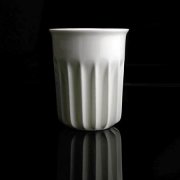
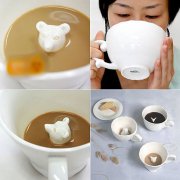
The answer is yes—and they were. Japanese designer and artist Yukihiro Kaneuchi created a line of ceramic coffee cups with permanent, non-removable ‘stains’ printed or painted on the inner walls, simulating the natural patina caused by long-term coffee use.
What Is This Coffee Cup Design?
Yukihiro Kaneuchi’s coffee cups feature a deliberate design element: a ring or patch of what looks like a coffee stain permanently fixed to the inside of an otherwise clean white cup. The ‘stain’ is not a flaw, nor does it wash off. It is intentionally crafted as part of the cup’s visual identity.

Why Create a Coffee Cup With a Fake Stain?
The design was inspired by Kaneuchi’s reflection on how coffee drinkers unconsciously interact with their cups over time. As people repeatedly use the same cup, coffee gradually leaves behind natural stains—subtle color shifts that tell a story of time and habit. Instead of waiting for those marks to form accidentally, Kaneuchi decided to design them in from the beginning.
He wanted to capture the aesthetic and emotional resonance of those gradual changes. The ‘stain’ is not just visual decoration—it mimics the tones and patterns you’d expect to see after months of brewing.

What’s the Deeper Meaning Behind the Design?
Beyond aesthetics, the coffee cup design carries a philosophical layer. Kaneuchi draws a parallel between the way a coffee cup changes over time and the way people grow. Just as the cup accumulates a unique pattern of stains that reflect its history, individuals also accumulate experiences, relationships, and memories that shape who they become.
The coffee ‘stain’ becomes a metaphor for life’s gradual markings—those subtle but permanent changes that define our personal journeys. In this way, each cup tells more than just a story of coffee; it reflects a narrative of time, growth, and transformation.

How Does This Change the Coffee Experience?
When you look into the cup while drinking, you’re not just seeing a pretty design—you’re seeing a crafted representation of what naturally happens over time. The intentional stain invites the drinker to think about their own habits, their rituals, and how time leaves traces, even in something as mundane as a coffee cup.
Kaneuchi’s work transforms the simple act of drinking coffee into a more reflective experience. It reminds users that beauty can emerge from repetition, and meaning can come from the everyday.
Frequently Asked Questions
Is the stain on the coffee cup actually coffee residue?
No, the stain is not real coffee residue. It is a permanent design element applied to the inside of the cup—either painted, printed, or glazed to resemble the look of natural coffee staining. It does not wash off and is part of the cup’s original manufacture.
Who is Yukihiro Kaneuchi?
Yukihiro Kaneuchi is a Japanese designer and artist known for creating thought-provoking everyday objects. His coffee cup series with permanent 'stains' explores themes of time, usage, and the relationship between objects and their users.
What is the purpose of the intentional stain on the cup?
The intentional stain mimics the natural discoloration caused by long-term coffee use. It serves both an aesthetic and philosophical purpose, reflecting the passage of time, personal growth, and the beauty of accumulated experiences.
Does the stain affect the taste of the coffee?
No, the stain is purely visual and applied to the inside surface of the cup. It does not alter the flavor or function of the cup. The coffee is brewed and consumed normally, with the stain serving only as a design feature.
Are these cups available for purchase?
The article does not specify retail availability. The cups were created as a design project by Yukihiro Kaneuchi and may be part of exhibitions, limited editions, or gallery displays rather than mass-produced consumer products.
Can I create a similar effect with my own coffee cups?
You can allow natural coffee staining to occur over time by using the same cup regularly, but the intentional, permanent stain effect as designed by Kaneuchi is manufactured. It is not something that can be replicated exactly without the specific design process used in the original cups.
Recommended FrontStreet Beans for Stain-Inspired Coffee
Try FrontStreet Coffee’s Ethiopia Humbera for a bright, juicy cup that highlights floral and stone fruit notes—perfect for reflecting on the delicate layers in Kaneuchi’s stained cup design. For something deeper, their PWN Golden Mandheling brings body and sweetness with herbal and caramel tones, echoing the warmth of aged stains. Both beans showcase how coffee evolves with time, much like the stories in each ceramic cup. Freshly roasted within 5 days · Orders placed before 17:00 ship the same day · Next-day delivery across most of Guangdong Province.
FrontStreet Coffee is a long-established specialty coffee roaster in Guangzhou China, selling freshly roasted beans from its own farm in Yunnan as well as dozens of carefully selected single-origin beans from around the world for both pour-over and espresso. The products deliver consistently excellent quality and great value, with shipping within 24 hours. Guangzhou's FrontStreet Coffee shop is recommended by many coffee lovers, and the beans are now available online at the Tmall 。
Important Notice :
前街咖啡 FrontStreet Coffee has moved to new addredd:
FrontStreet Coffee Address: 315,Donghua East Road,GuangZhou
Tel:020 38364473