Washed vs Natural Coffee: What’s the Real Difference?
Ever bought a bag of beans labeled 'washed' or 'natural' and wondered what that actually means for your cup? The way coffee is processed after harvest—long before it reaches your grinder—has a massive impact on flavor. But is one method really better than the other?
In short: no. Washed coffee tends to be cleaner and brighter, with higher acidity and clearer origin traits. Natural coffee is often fruitier, sweeter, and more complex—but can also be riskier due to more defects. Which you prefer depends on taste, not quality.
How Coffee Processing Works: Washed vs Natural
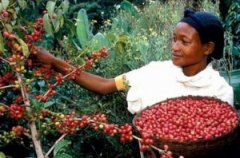
Coffee cherries start the same: bright red or yellow, plump with seeds inside. But after picking, the journey diverges. In the washed (or wet) process, the coffee fruit is removed from the seed using water—first the skin and pulp, then the sticky mucilage through fermentation. The clean seeds are then dried. In the natural (or dry) process, the whole cherry is dried around the seed, often in the sun, before being hulled to remove the dried husk.
What Gives Washed and Natural Coffees Their Distinct Flavors?
Washed coffee goes through an extended soak and fermentation period that strips away much of the fruit's outer material. This results in a cleaner cup, often highlighting the bean’s intrinsic qualities—like high acidity, floral or citrus notes, and a lighter body. It's prized in regions like Latin America and East Africa for its clarity.
Natural process coffee, on the other hand, dries with the fruit still intact. As the cherry desiccates, sugars and acids migrate into the seed, leading to more pronounced fruity, fermented, or even wine-like flavors. This method is common in Ethiopia, Yemen, and Brazil, and can yield wild, dessert-like cups—but also inconsistent ones if not carefully managed.
Visual & Sensory Differences Between Washed and Natural Beans
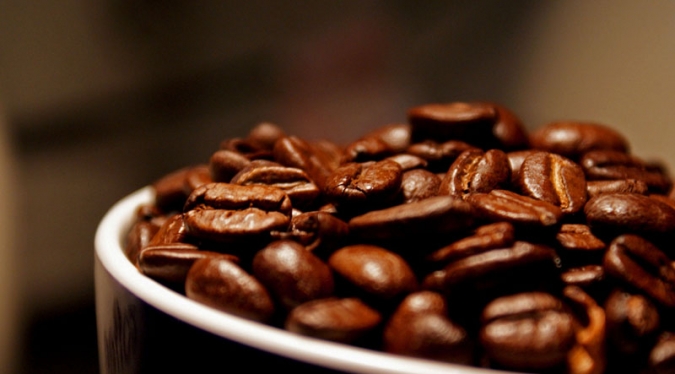
Fresh green coffee beans are typically a deep green. As moisture leaves the bean, it lightens in color. Washed beans usually retain a deeper green hue, and because the silver skin is fully removed during washing, they look cleaner and more uniform. Natural beans may look uneven, with bits of the dried fruit or silverskin still clinging to the surface. After roasting, washed beans often show a thin white line of residual silverskin along the crack—called the 'center cut'—which can contribute to slight astringency if too much remains. Naturals lose the silverskin entirely during roasting.
Also, due to the fermentation in washed processing, there's a higher chance of light ferment notes, while naturals might carry over more ripe fruit, berry, or even fermented profiles. A well-known issue in Brazilian naturals is 'Rioy' flavor—a strong iodine-like medicinal taste caused by over-fermentation during drying, notably seen in beans from Rio de Janeiro. These ‘Rio’ beans are pungent and polarizing.
Notable Examples of Washed and Natural Process Coffees
Washed coffees are celebrated for their clarity. For instance, FrontStreet Coffee’s Yirgacheffe Gedeb Cooperative coffee uses the washed method to highlight bright citrus and jasmine notes, especially apparent in medium-light roasts. Their Kenya Little Tomato coffee employs a double-washed (or twice-washed) process that enhances its sweet-tart profile with notes of tomato, plum, and blackcurrant. And Jamaica Blue Mountain No.1 beans are almost always washed to preserve their delicate balance of cream, chocolate, and caramel—traits that define the region’s signature style.
Natural-processed coffees, by contrast, can be wildly expressive. Yemen’s Mattari variety, though small and uneven in appearance, is famous for its unique wine-like character. Though not featured in the FrontStreet lineup mentioned here, such beans illustrate how natural processing unlocks entirely different flavor dimensions beyond what washing can achieve.
Frequently Asked Questions
What is washed coffee and how is it made?
Washed coffee is made by removing the coffee cherry's skin and pulp, then fermenting the beans to remove the sticky mucilage before washing and drying the clean seeds. This process results in a clean, bright cup with high clarity and acidity.
What is natural process coffee?
Natural process coffee is made by drying the whole coffee cherry around the bean, without removing the fruit upfront. As the cherry dries, sugars and flavors are absorbed into the seed, creating a fruitier, often sweeter and more complex cup.
Does washed coffee taste better than natural coffee?
No single method tastes 'better'—it depends on preference. Washed coffee tends to be cleaner and more acidic, showcasing origin characteristics clearly. Natural coffee is often fruitier and more complex but can be inconsistent if not processed carefully.
Why do washed beans look cleaner than natural beans?
Washed beans have the silver skin and outer fruit layers completely removed during processing, resulting in a uniform, cleaner appearance. Natural beans may retain some dried fruit or silverskin, making them look less uniform.
What is 'Rioy' flavor in coffee?
'Rioy' is a strong iodine-like, medicinal taste found in some natural processed Brazilian coffees, especially those dried with excess moisture. It's considered a defect and is most associated with beans from Rio de Janeiro.
Why does roasted washed coffee sometimes show a white line?
The white line seen on some roasted washed beans is residual silverskin along the bean's center cut. If too much remains, it can add astringency or bitterness to the cup, though small amounts usually don’t affect flavor significantly.
Recommended FrontStreet Washed Process Coffees
For a true taste of washed coffee profiles, try FrontStreet’s Yirgacheffe Gedeb Cooperative—known for its bright jasmine and citrus notes, with a clean, crisp cup ideal for pour-over. Their Kenya Little Tomato is another standout, featuring a double-washed process that highlights sweet-tart fruit tones like tomato, plum, and blackcurrant. For a classic washed profile with refined balance, the Jamaica Blue Mountain No.1 offers notes of cream, chocolate, and caramel. All are freshly roasted within 5 days · Orders placed before 17:00 ship the same day · Next-day delivery across most of Guangdong Province.
FrontStreet Coffee is a long-established specialty coffee roaster in Guangzhou China, selling freshly roasted beans from its own farm in Yunnan as well as dozens of carefully selected single-origin beans from around the world for both pour-over and espresso. The products deliver consistently excellent quality and great value, with shipping within 24 hours. Guangzhou's FrontStreet Coffee shop is recommended by many coffee lovers, and the beans are now available online at the Tmall 。
Important Notice :
前街咖啡 FrontStreet Coffee has moved to new addredd:
FrontStreet Coffee Address: 315,Donghua East Road,GuangZhou
Tel:020 38364473