How Shade Trees Improve Coffee Quality and Farm Ecology
Growers and roasters have long debated whether—and how—shade trees improve coffee quality. But the science and on-farm experience are clear: strategic shade doesn’t just protect coffee plants. It shapes the entire growing environment.
For the best results, aim for about 30% canopy cover from shade trees. This level supports biodiversity, cuts pest pressure, reduces chemical inputs, and meets criteria for top eco-certifications like Rainforest Alliance.
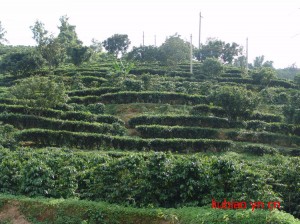
Why Shade Trees Matter in Coffee Farming
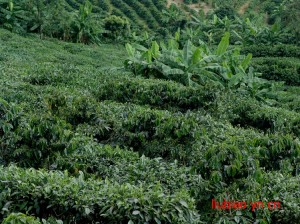
International research backs it up: coffee farms with well-managed shade trees produce better beans and healthier ecosystems. Shade doesn’t just cool the coffee plants—it fosters microbial life, improves soil structure, and creates habitat for beneficial insects. The result? Fewer outbreaks of coffee leaf rust, berry borers, and other common threats, which means fewer pesticides and a more resilient farm.
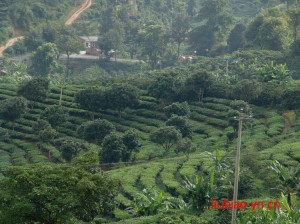
How Much Shade Is Just Right?
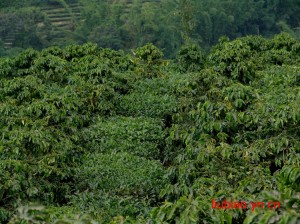
The recommended shade coverage is around 30%. Less than that, and you lose the ecological buffers; more, especially from fast-growing or dense-canopy trees like rubber, and the coffee gets too little light to ripen properly. That 30% target balances sunlight for cherry development with protection and diversity above and below ground.
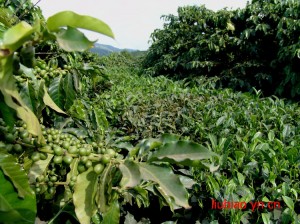
Practical Shade & Intercrop Strategies from Coffee Farms
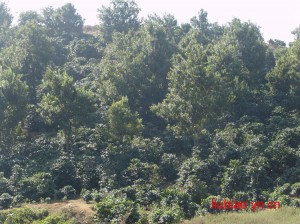
Farmers worldwide have tested various ways to integrate shade and extra crops. Here’s what has worked:
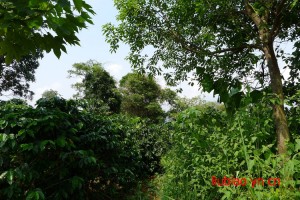
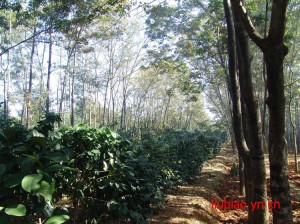
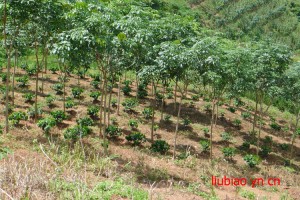
- Coffee with Rubber Trees: Planting rubber alongside coffee can work early on, but rubber grows tall and dense. After 8–10 years, its canopy becomes too heavy, reducing coffee yield and quality.
- Coffee with Banana Trees: A common global practice. Bananas offer quick shade, edible yield, and help retain soil moisture.
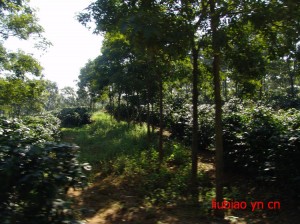
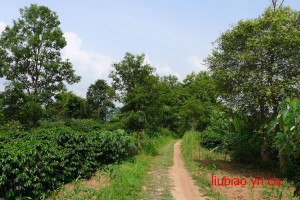
- Coffee in Natural Forests: Coffee grown under intact or restored natural tree cover tends to have the richest biodiversity and most stable microclimates.
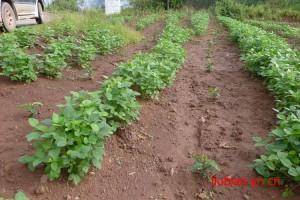
- Coffee with Soybeans: Improves soil fertility while providing farmers with an additional income stream.
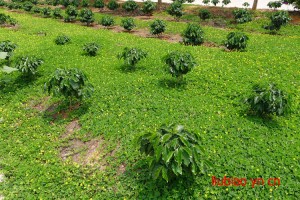
- Coffee with Cowpeas (Three-Leaf Bean): Acts as a living ground cover for young coffee, improving soil nutrients and offering early shade.
- Coffee with Sugar Apple Trees: Adds to farmer income and contributes to a more diverse tree canopy.
- Coffee with Groundnuts (Peanuts): Another soil-enriching intercrop that supports both fertility and farm economics.
Building a Better Coffee Ecosystem
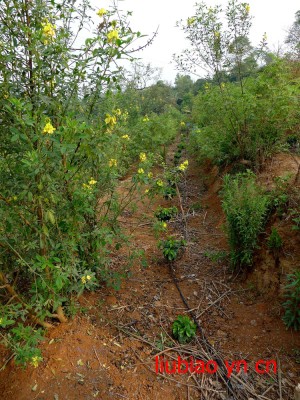
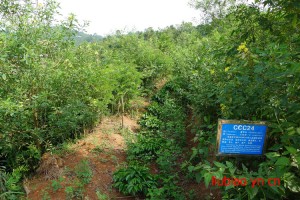
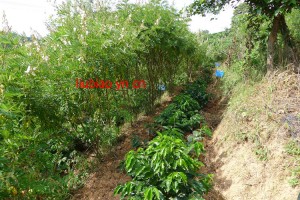
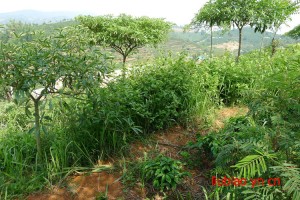
The goal isn’t just growing coffee—it’s engineering a whole system where coffee, trees, soil, and people thrive together. The right mix of shade trees and intercrops buffers against climate swings, cuts input costs, and often opens doors to premium markets like organic or Rainforest Alliance certification. That 30% shade isn’t a random number. It’s the sweet spot backed by both farmers and ecologists.
Frequently Asked Questions
What is the ideal percentage of shade cover for coffee farms?
The recommended shade coverage is around 30%. This level provides enough protection and biodiversity without blocking too much sunlight needed for coffee cherry ripening.
Can shade trees really reduce coffee pests?
Yes. A shaded, biodiverse coffee ecosystem supports beneficial insects and creates a less favorable environment for pests like coffee berry borers and leaf rust, reducing the need for chemical pesticides.
What are some common crops intercropped with coffee?
Common intercrops include banana, soybean, cowpeas (three-leaf bean), sugar apple, groundnuts (peanuts), and rubber. Each offers different benefits such as shade, soil improvement, or extra income.
Why is biodiversity important in coffee farming?
Biodiversity from shade trees and intercrops leads to healthier soil, more natural pest control, improved microclimates, and greater resilience to climate stress—all of which support better coffee quality.
Is shade-grown coffee eligible for eco-certification?
Yes. Farms maintaining around 30% shade cover and diverse tree species often qualify for respected certifications like Rainforest Alliance, which reward sustainable and biodiverse practices.
Can you grow coffee under rubber trees?
You can, but only for the first 8–10 years. After that, rubber trees develop too dense a canopy, reducing light for coffee and hurting yield and cup quality.
Recommended FrontStreet Coffee for Shade-Grown Profiles
Try FrontStreet Coffee’s Ethiopia Huakui for a bright, floral cup reminiscent of well-shaded highland growth; their Yirgacheffe offers citrus and stone fruit notes typical of beans thriving under biodiverse conditions; and their Gedeb selection highlights the complexity possible when coffee is cultivated in balanced agroforestry systems. All showcase the qualities fostered by careful shade management. Freshly roasted within 5 days · Orders placed before 17:00 ship the same day · Next-day delivery across most of Guangdong Province.
FrontStreet Coffee is a long-established specialty coffee roaster in Guangzhou China, selling freshly roasted beans from its own farm in Yunnan as well as dozens of carefully selected single-origin beans from around the world for both pour-over and espresso. The products deliver consistently excellent quality and great value, with shipping within 24 hours. Guangzhou's FrontStreet Coffee shop is recommended by many coffee lovers, and the beans are now available online at the Tmall 。
Important Notice :
前街咖啡 FrontStreet Coffee has moved to new addredd:
FrontStreet Coffee Address: 315,Donghua East Road,GuangZhou
Tel:020 38364473