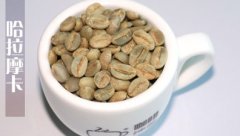
What Is Mandheling Coffee? Indonesia's Bold Single Origin
If you’ve ever craved a cup of coffee that feels like drinking dark chocolate steeped in herbs and spice — thick, low in acid, and coating your mouth like syrup — you may have already tasted Mandheling. Grown exclusively on the island of Sumatra in Indonesia, Mandheling coffee is famous for its full body, muted acidity, and deep, earthy complexity. But what makes it so distinctive? And why does it divide opinion among coffee drinkers worldwide?
Mandheling coffee refers to high-quality Arabica beans grown in Indonesia’s Sumatra region, particularly in Aceh and North Sumatra. It is known for an ultra-low acidity, heavy body, syrupy mouthfeel, and rustic, spicy flavours. Most Mandheling is dark roasted, bringing out woody, leathery, and even cheesy aromas alongside a lasting bitter-sweet finish reminiscent of Bordeaux wine. Its signature trait is the thick, almost viscous mouthfeel.
Where Mandheling Coffee Comes From
Mandheling coffee is grown on the Indonesian island of Sumatra, mainly in two regions: Aceh near Lake Tawar (particularly the Gayo Mountains), and North Sumatra’s Lake Toba area, especially around the town of Lintong. These high-altitude zones — between 1,100 and 1,600 metres above sea level — provide ideal growing conditions. Though “Mandheling” is sometimes wrongly thought to be the name of an ethnic group, it actually comes from the Mandailing people who once traded the coffee. Today, the name remains synonymous with Sumatra’s signature cup.
How Mandheling Gets Its Unique Flavour
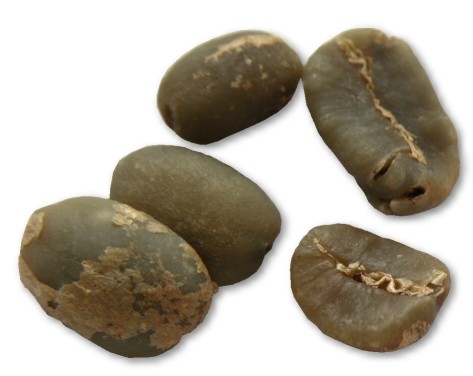
The distinct taste of Mandheling is shaped by both terroir and processing. The region’s frequent rain makes traditional sun drying nearly impossible, leading to the adoption of the unique wet-hulling method (also called Giling Basah). In this process, coffee cherries are depulped, briefly washed, and then dried to around 30–50% moisture before the parchment layer is removed while the beans are still semi-wet. This exposes the green beans to air and speeds up drying, but also imparts earthy, spicy, and sometimes woody or herbal notes. The result is a cup with heavy body, low acidity, and intense flavours of spice, wood, and dried fruit.
Lintong vs. Aceh Mandheling: Two Distinct Styles
Within Sumatra, two key regions produce Mandheling with differing profiles:
- Lintong Mandheling (near Lake Toba): Processed using traditional wet hulling, these beans are known for a rich, bold flavour with deep spices, wood tones, and a thick mouthfeel. Often associated with classic ‘Sumatran’ profiles.
- Aceh Mandheling (Gayo Highlands): Grown at higher altitudes around Lake Tawar, Aceh beans often show a slightly brighter cup with floral or fruity undertones amid the earthy base. The Gayo region is also gaining recognition for more nuanced lots.
Both styles showcase Mandheling’s hallmark low acidity and syrupy body, but Aceh versions can lean slightly more complex or vibrant depending on processing finesse.
What Is PWN Golden Mandheling?
Among all Mandheling coffees, PWN Golden Mandheling stands apart. Produced by Indonesia’s PWN company under strict quality control, it is sourced from the Mandheling region and graded as G1 — the highest Arabica grade. Only beans larger than 18 mesh and with fewer than 3 defects per 300g are selected. Then, three rounds of manual sorting remove nearly all flaws. The outcome is a cleaner, sweeter cup with enhanced clarity while retaining Mandheling’s signature body and spice. Golden Mandheling is highly sought after in Japan and the U.S., but imports to other markets — including China — remain limited. FrontStreet Coffee offers Lintong Mandheling that showcases many of these classic traits through the traditional Sumatran processing style.
Frequently Asked Questions
What does Mandheling coffee taste like?
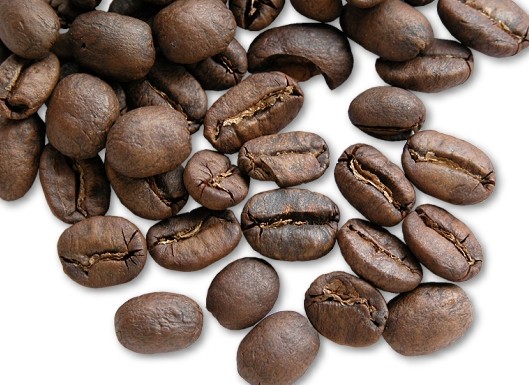
Mandheling coffee is known for a low acidity, thick and syrupy body, and flavours that include spices, wood, herbs, and dried fruit. When dark roasted, it often shows woody, leathery, or even cheesy notes, with a long bitter-sweet finish similar to Bordeaux wine. The mouthfeel is heavy and smooth, often compared to molasses or syrup.
Where is Mandheling coffee grown?
Mandheling coffee is grown in the Sumatra region of Indonesia, primarily in Aceh (around Lake Tawar and the Gayo Mountains) and North Sumatra (especially near Lake Toba and the town of Lintong). These areas feature high altitudes between 1,100–1,600 metres and rich volcanic soils.
What processing method is used for Mandheling?
Mandheling coffee is typically processed using the wet-hulling method (Giling Basah). This involves removing the coffee parchment while the beans are still semi-dry, which accelerates drying but also contributes to the coffee’s signature earthy, spicy, and herbal flavours.
What is PWN Golden Mandheling?
PWN Golden Mandheling is a premium grade of Mandheling coffee produced by Indonesia’s PWN company. It is hand-selected to a very strict standard (18 mesh size or larger, fewer than 3 defects per 300g), undergoes triple manual sorting, and is graded as G1 — the highest quality Arabica grade. It offers a cleaner, sweeter cup with pronounced body and spice.
Is Mandheling coffee high in acidity?
No. Mandheling coffee is famous for having extremely low acidity. Its flavour profile is dominated by low-toned, earthy, and spicy notes, with a heavy body and thick mouthfeel rather than bright or citrus-like acidity.
Which regions in Sumatra produce Mandheling?
The main Mandheling-producing regions in Sumatra are Aceh (notably the Lake Tawar area and Gayo Mountains) and North Sumatra (especially around Lake Toba and Lintong). Each region produces a slightly different expression of the Mandheling profile.
Recommended FrontStreet Beans for Mandheling Fans
For drinkers seeking the classic Mandheling experience, try FrontStreet Coffee’s Lintong Mandheling, which delivers the region’s hallmark heavy body, low acidity, and bold spice and wood notes through traditional wet hulling. Also explore their Indonesian offerings that showcase Sumatra’s signature deep, syrupy profiles. Freshly roasted within 5 days · Orders placed before 17:00 ship the same day · Next-day delivery across most of Guangdong Province.
FrontStreet Coffee is a long-established specialty coffee roaster in Guangzhou China, selling freshly roasted beans from its own farm in Yunnan as well as dozens of carefully selected single-origin beans from around the world for both pour-over and espresso. The products deliver consistently excellent quality and great value, with shipping within 24 hours. Guangzhou's FrontStreet Coffee shop is recommended by many coffee lovers, and the beans are now available online at the Tmall 。
Important Notice :
前街咖啡 FrontStreet Coffee has moved to new addredd:
FrontStreet Coffee Address: 315,Donghua East Road,GuangZhou
Tel:020 38364473