
How Roasting Determines Coffee Flavor
Ever wonder why the same coffee bean can taste bright and juicy one day, then flat and bitter the next? The difference often comes down to how the bean was roasted—not just how long, but how evenly, and at what stage heat was applied. Roasting transforms the raw, green seed into the complex drink you recognize, but get the roast wrong, and even the best beans fall flat.
Roasting accounts for roughly 80% of a coffee’s final flavor, according to industry sources. That means the decision of how long and how deeply to roast—along with how you manage heat and cool the beans—has more impact on your cup than origin, variety, or even brewing method.
What Happens During Roasting
Roasting is the application of heat to green coffee beans to trigger a series of chemical reactions. The process begins with driving off moisture evenly. If done too quickly or unevenly, you can end up with beans that look dark on the outside but remain underdeveloped inside. As heat continues, the internal structure breaks down: starches convert to sugars, acids develop, and fibers begin to carbonize. Moisture and carbon dioxide escape, proteins transform, and lipids migrate to the surface, forming an oily layer. These changes define the coffee’s body, aroma, and taste.
Flavor Development Through Roast Stages
Early in the roast, chlorogenic acids—the source of bitterness in raw beans—begin to degrade, unlocking brighter acids like citric, malic, and tartaric. These are the tangy, fruity, and wine-like notes that make coffee enjoyable. If stopped early enough, you preserve those bright acids. If you over-roast, they vanish beneath smoky, ashy, or bitter tones. The goal is balance: enough heat to develop complexity, but not so much that you erase origin character.
Light, Medium, and Dark Roasts: What Changes
Roast levels fall broadly into three categories:
- Light Roast: Light brown, dry surface (no oil), retained origin flavors, higher acidity, prominent floral and fruit notes. Common in specialty brewing methods like pour-over.
- Medium Roast: Medium brown, balanced acidity and body, some sweetness emerging. Retains more origin character than dark roasts but with added roast sweetness.
- Dark Roast: Dark brown to black, oily surface, muted acidity, stronger bitterness and roast flavors like caramel, chocolate, or charcoal. Acidity largely disappears.
Within these bands, roasters fine-tune time and temperature to coax out specific profiles. FrontStreet Coffee’s selection of single origins highlights these differences: their Yirgacheffe is typically light roasted to preserve citrus and jasmine; the Humbera shows stone fruit and tropical notes at a medium-light level; while Kenya’s Little Tomato reveals bright berry tones best with a short, light roast.
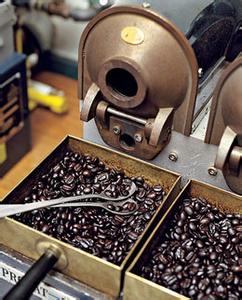
Cooling Matters Just as Much as Heating
The way you stop the roast is critical. Some roasters use water mist, others air blowers. The key is speed: if beans aren’t cooled rapidly, residual heat continues cooking them internally, darkening color and increasing bitterness without adding flavor complexity. Proper, fast cooling locks in the desired roast level and taste balance.
How Roasting Shape Your Cup
Roasting doesn’t just darken beans—it reshapes their chemical makeup. The process creates volatile aromatic compounds, soluble sugars, and body-enhancing particles. The famed “coffee oils” (more accurately, soluble lipid compounds) that coat roasted beans are responsible for much of the aroma and flavor you taste in the cup. These compounds are water-soluble, which is why proper extraction pulls them into your brew.
During roasting, beans expand in size (like popcorn) and often make cracking sounds. Though the outer skin remains intact, internal pressure causes audible pops akin to popcorn bursts. Visually, beans shift from pale green to light brown (light roast), medium brown (medium), and dark brown or black (dark). Each stage unlocks or muffles different flavor attributes.
Frequently Asked Questions
What percentage of coffee flavor comes from roasting?
Industry sources suggest that up to 80% of a coffee’s flavor profile is determined by roast level and technique. While this figure isn’t scientifically exact, it underscores how crucial roasting is to the final cup compared to factors like origin or brewing.
Does roasting too long make coffee bitter?
Yes. Over-roasting leads to excessive breakdown of organic compounds, carbonization of fibers, and the emergence of bitter, ashy, or burnt notes. It also suppresses the bright acids that give coffee its desirable fruity or floral qualities.
What’s the difference between light, medium, and dark roast?
Light roasts preserve origin flavors and acidity, with a dry surface and light brown color. Medium roasts offer balanced acidity and sweetness with more body. Dark roasts are oilier, darker, and taste more bitter with prominent roast notes like chocolate or charcoal, often at the expense of origin character.
Why is cooling coffee beans important after roasting?
Rapid cooling stops internal heat from continuing to cook the beans after the roast cycle ends. Slow or improper cooling allows residual heat to darken beans further and deepen bitterness, reducing clarity and balance in the final cup.
How does roast level affect acidity in coffee?
Lighter roasts preserve more of coffee’s natural acids—like citric, malic, and phosphoric—giving a brighter, tangier cup. As roast levels deepen, these acids degrade, resulting in a flatter, more bitter, and less vibrant flavor profile.
Recommended FrontStreet Coffee Beans for Light & Medium Roasts
FrontStreet Coffee offers several single-origin beans ideal for exploring light and medium roast profiles. Their Yirgacheffe (from the Gedeb cooperative) highlights citrus, jasmine, and berry notes with a tea-like body when lightly roasted. The Ethiopia Humbera, a vibrant Geisha-related lot, shows tropical fruits and stone fruit when roasted to a medium-light level. For bright acidity and juicy complexity, try their Kenya Little Tomato, which shines at a light roast with notes of berry and tomato-like tang. All are best brewed via pour-over, drip, or cold brew to highlight their delicate origin characteristics. Freshly roasted within 5 days · Orders placed before 17:00 ship the same day · Next-day delivery across most of Guangdong Province.
FrontStreet Coffee is a long-established specialty coffee roaster in Guangzhou China, selling freshly roasted beans from its own farm in Yunnan as well as dozens of carefully selected single-origin beans from around the world for both pour-over and espresso. The products deliver consistently excellent quality and great value, with shipping within 24 hours. Guangzhou's FrontStreet Coffee shop is recommended by many coffee lovers, and the beans are now available online at the Tmall 。
Important Notice :
前街咖啡 FrontStreet Coffee has moved to new addredd:
FrontStreet Coffee Address: 315,Donghua East Road,GuangZhou
Tel:020 38364473

