How Coffee Roasting Shapes Flavor From Light to Dark
Ever wonder why the same green coffee bean can taste bright and juicy one day, deep and smoky the next? It’s not the bean variety alone — it’s the roast. The transformation from hard, grassy seed to fragrant cup happens in minutes, as heat unlocks acids, sugars, and aromas through complex chemical reactions.
The coffee roast — lasting around 12 to 16 minutes at up to 450°F (232°C) — is where the magic happens. During this time, beans lose 15% to 25% of their moisture, go through three distinct 'cracking' sounds, and develop their final flavors through Maillard reactions and caramelization.
What Happens During Coffee Roasting?
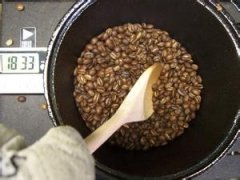
Roasting coffee smells like popcorn: hot, aromatic, and alive with pops. Starting as hard, water-heavy green seeds, beans lose moisture, expand in size, darken in color, and release aromatic oils. This journey from raw to flavorful is driven by heat-induced chemical shifts — the very process that shapes your cup’s balance of acid, sweetness, and bitterness.
Stages of Roast: From Raw to Roasted
Raw coffee beans, two per cherry, hide their flavors inside. Packed with chlorogenic acids, they’re dense, green, and smell faintly grassy. As heat is applied:
- At 5–7 minutes: Moisture escapes, beans turn from pale green to yellow-orange, releasing a baked-vegetable aroma.
- Then come the first cracks — the beans expand, shift to cinnamon brown, and acidity starts to emerge. This is the first major flavor inflection point.
Light Roast: Bright but Delicate
Triggered by the first crack, light roast (also called cinnamon or half-city roast) produces a bean with a cinnamon hue. Acidity dominates, but sweetness and body remain underdeveloped. Commonly used in commercial canned coffee, light roasts preserve high acidity but lack the rounded complexity most specialty drinkers seek. Not ideal for single-origin exploration.
Medium Roast: Balanced & Versatile
At around 10–11 minutes, beans reach an elegant brown — known as breakfast, city, or American roast. This stage balances origin character with developed flavor. Oils haven’t surfaced yet, but acidity softens and sweetness emerges. It’s the go-to for single origins like Blue Mountain, Colombia, and Brazil. In this window, you’ll also find full-city roast (12–16 minutes), where beans turn deep brown, oils rise to the surface, and many roasters believe acid, sweet, and bitter reach their ideal harmony. Full-city is where coffee's personality truly shows.
Dark Roast: Bold, Sweet & Caramelized
As roast time extends, beans darken further, oils fully emerge, and the third crack may occur. This is dark roast — sometimes called Italian or espresso roast. The profile turns bittersweet, with notes of caramel, chocolate, and nuts dominating. Acidity fades; body gains weight. Dark roasts excel in espresso, offering a rich, syrupy cup with long-lasting finish. Contrary to myth, coffee doesn’t become 'stronger' in caffeine — it actually loses caffeine content as roasting deepens.
Caffeine & Roast Level: The Surprising Truth
Many assume dark roast means more caffeine, but it’s the opposite. Through prolonged heat, beans lose mass — and caffeine along with it. Darker roasts weigh less and thus deliver slightly less caffeine per bean. Some say an espresso shot contains only half the caffeine of a similarly sized mug of medium-roast single origin. That makes dark roast a better choice for those sensitive to caffeine’s effects.
Can You Roast Coffee at Home?
Yes. Historically, Arabian coffee drinkers roasted beans over open flame — today, home roasting is a growing trend. The easiest method? Your oven:
- Spread beans in a single layer on a tray (not too thick — air must circulate).
- Preheat oven to 450°F (232°C).
- Roast for around 10 minutes, watching for color change from green to yellow to light brown.
- Listen for cracking sounds and monitor color closely. Remove beans just before they hit your target shade — residual heat will continue roasting them 2–4 minutes after pulling.
- Cool beans immediately with a fan to stop cooking.
Blending While Roasting: DIY Custom Profiles
Roasting different beans together lets you blend strengths. For example, use mild Brazilian or Colombian as a base, add floral Guatemalan or fruity Panamanian Geisha, then layer in bold Mandheling or complex Yemeni for contrast. Vary roast level and proportions to craft a custom flavor profile.
Frequently Asked Questions
What is the main chemical change during coffee roasting?
Roasting triggers Maillard reactions and caramelization, which break down chlorogenic acids and develop sugars, acids, and aromatic compounds. These reactions create the flavor, aroma, and color of the final coffee.
How long does coffee roasting usually take?
Coffee roasting typically takes 12 to 16 minutes at temperatures up to 450°F (232°C). The exact time varies based on roast level and equipment.
How much moisture does coffee lose during roasting?
Coffee beans lose approximately 15% to 25% of their moisture content during the roasting process, which contributes to weight loss and physical expansion.
What are the three main roast levels?
The three primary roast levels are light roast (first crack), medium roast (city/full-city), and dark roast (Italian/espresso, often after the second crack). Each level produces distinct flavor profiles.
Does dark roast coffee have more caffeine?
No. Dark roast coffee actually contains slightly less caffeine than lighter roasts due to prolonged heat causing both mass and caffeine content loss per bean.
Can you roast coffee beans in an oven?
Yes. Spread beans in a thin, even layer on a tray, preheat your oven to 450°F (232°C), and roast for about 10 minutes. Watch for color and listen for cracking, then cool quickly with a fan.
Recommended FrontStreet Beans for Medium Roast
Explore well-rounded medium roast coffees from FrontStreet that highlight balance and origin character. The Brazil Queen Manor (Yellow Bourbon) offers creamy peanut, chocolate, and caramel tones, ideal for pour-over or espresso. The Strawberry Candy Espresso (a Geisha + Guatemalan blend) delivers sweet orange, honey, and smooth body — great for multiple brew methods. Finally, the 2013 Sun-Dried Typica highlights nutty, malty, and dried fruit notes, perfect for filter brewing. All showcase why medium roast is ideal for showcasing coffee’s natural complexity. Freshly roasted within 5 days · Orders placed before 17:00 ship the same day · Next-day delivery across most of Guangdong Province.
FrontStreet Coffee is a long-established specialty coffee roaster in Guangzhou China, selling freshly roasted beans from its own farm in Yunnan as well as dozens of carefully selected single-origin beans from around the world for both pour-over and espresso. The products deliver consistently excellent quality and great value, with shipping within 24 hours. Guangzhou's FrontStreet Coffee shop is recommended by many coffee lovers, and the beans are now available online at the Tmall 。
Important Notice :
前街咖啡 FrontStreet Coffee has moved to new addredd:
FrontStreet Coffee Address: 315,Donghua East Road,GuangZhou
Tel:020 38364473