How Coffee Cup Size Affects Flavor & Temperature
Ever wondered why your espresso vanishes in two sips but your latte stays warm for ten? Or why milk-heavy drinks come in wide bowls while espressos nestle in narrow cups? The size and shape of your coffee cup aren’t just aesthetic choices—they directly shape how your drink tastes, stays hot, and feels in your hands.
Most coffee cups fall into three standard sizes: under 100cc for intense shots like espresso (around 50cc), around 200cc for balanced black coffee, and over 300cc for milk-rich drinks like lattes. Each size is engineered to preserve flavor, control heat loss, and match the drink’s texture.
Why Coffee Cup Size Matters
Coffee cup dimensions—especially volume—give instant clues about the drink inside. Smaller cups (under 100cc) are built for strong, hot brews such as espresso or single-origin shots. A classic 50cc espresso might be gone in a sip, but its lingering aroma and constant warmth elevate the experience. Cappuccinos, slightly larger at around 150–180cc, use wider rims to showcase creamy foam.
Mid-sized cups (about 200cc) are the go-to for Americanos or black coffee, offering room to stir in sugar or milk. For milk-heavy drinks like lattes or mochas (300cc+), larger mugs or French-style bowls cradle the blend of coffee and steamed milk, balancing sweetness and texture. French café au lait often uses even bigger bowls for a leisurely morning drink.
Shape & Material: More Than Just Looks
Coffee cups are designed to trap aroma and slow heat loss. Narrow rims and thick walls help concentrate the coffee’s volatile compounds, keeping the scent intact. In contrast, tea cups typically have wider mouths and thinner walls to highlight the tea’s clear color. These subtle design differences matter for both flavor perception and drinking comfort.
Ceramic vs. Pottery: Texture & Temperature
The choice of material also affects your coffee experience. Some prefer the rugged feel of pottery for bold, dark roasts, but most opt for porcelain for its refined balance. Among porcelain options, bone china—made from 25% bone ash and 75% fine clay—stands out. It’s lightweight, semi-translucent, and retains heat exceptionally well, making it ideal for preserving coffee’s warmth without altering its taste.
How to Keep Your Coffee Hot (The Right Way)
Serving coffee in a pre-warmed cup is a small step with big impact. A cold cup can instantly drop your brew’s temperature, muting its aroma. At home, simply rinse the cup with hot water or use a dish warmer. For larger gatherings, soak all cups in hot water before pouring. This ensures the coffee’s full flavor profile—notes, acidity, and body—is delivered as intended.
Bone China: The Premium Choice Explained
Bone china is a top-tier material for coffee cups, valued for its unique properties:
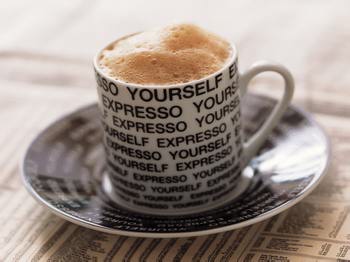
- Composition: 25% bone ash mixed with 75% premium clay.
- Features: Lightweight, high translucency, soft color tone, dense structure (breakable but easy to clean), high heat resistance, and superior insulation.
- How to Identify: Holds a yellowish tint under light and produces a crisp metallic ring when tapped.
- Care Tips: Hand wash preferred; if using a dishwasher, limit to low-PH detergents (pH 11–11.5), keep water below 70°C in the dishwasher and 80°C for hand washing. Never plunge a hot cup into cold water to avoid thermal shock.
Frequently Asked Questions
What’s the smallest standard coffee cup size?
The smallest common coffee cup holds under 100cc, typically used for espresso or other highly concentrated brews. A standard espresso is around 50cc—just a few sips—but its intense flavor and lingering warmth make the small size intentional.
Why do cappuccinos use wider cups than espressos?
Cappuccinos (usually 150–180cc) have wider rims to display and support their creamy foam. The broader opening enhances the visual appeal and makes sipping the frothy top layer easier, compared to the narrow espresso cup designed for direct, intense flavor hits.
What cup size is best for milk-based drinks like lattes?
Lattes and similar milk-heavy drinks typically use cups over 300cc. Larger mugs or French-style bowls provide enough space for the coffee-steamed milk mix and help maintain a balanced temperature and texture for a longer drinking experience.
Does coffee cup material affect taste?
Yes. Porcelain, especially bone china, helps retain heat and aroma better than standard ceramics. Bone china’s density and heat retention keep coffee warmer longer without affecting its flavor profile, while pottery may suit bold roasts but lacks the refined insulation of premium ceramics.
How should I warm my coffee cup before use?
Rinse the cup with hot water or use a dish warmer before pouring coffee. For multiple cups, soak them all in hot water beforehand. This prevents the coffee’s temperature from dropping abruptly, which can dull aroma and flavor.
FrontStreet Coffee Picks for Every Cup Size
For espresso in small cups (50–100cc), try FrontStreet Yirgacheffe—bright, floral, and complex, perfect for showcasing concentrated flavors. A 200cc black coffee pairs beautifully with FrontStreet Ethiopia Humbera, offering juicy red fruit and a sweet finish. When scaling up to milk drinks (300cc+), FrontStreet Classic Blend delivers balanced body and chocolatey notes that shine in lattes or cappuccinos. Freshly roasted within 5 days · Orders placed before 17:00 ship the same day · Next-day delivery across most of Guangdong Province.
FrontStreet Coffee is a long-established specialty coffee roaster in Guangzhou China, selling freshly roasted beans from its own farm in Yunnan as well as dozens of carefully selected single-origin beans from around the world for both pour-over and espresso. The products deliver consistently excellent quality and great value, with shipping within 24 hours. Guangzhou's FrontStreet Coffee shop is recommended by many coffee lovers, and the beans are now available online at the Tmall 。
Important Notice :
前街咖啡 FrontStreet Coffee has moved to new addredd:
FrontStreet Coffee Address: 315,Donghua East Road,GuangZhou
Tel:020 38364473