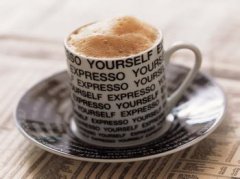
How to Choose and Use Coffee Cups for Best Flavor
Ever poured your carefully brewed coffee into a cup—and immediately felt like something was off? Maybe the aroma faded too fast, the temperature dropped too quickly, or the flavors just didn’t pop the way you expected. The truth is, your coffee cup plays a bigger role in your drinking experience than most people realize. From material to temperature, the right cup helps preserve the nuanced flavors you worked hard to develop.
To get the best flavor from your coffee, use a pre-warmed, white interior cup made of bone china or thick porcelain. For optimal heat retention, preheat your cup with hot water or a warming tray—this simple step keeps coffee hotter longer and preserves aroma.
Coffee Cup Materials: What Difference Does It Make?
The type of material your coffee cup is made from significantly affects how coffee tastes and feels. Two of the most common materials are ceramic and porcelain, and each brings out different characteristics in your brew.
Ceramic cups have a hearty, rustic feel and thick walls. They’re ideal for dark roasts or bold, intense coffees, as their weight and density enhance the heavy body and earthy tones typical of these brews.
Porcelain cups are the most widely used and known for balancing clarity and body. Within porcelain, bone china stands out. Made from high-grade clay mixed with animal bone ash, it’s lightweight, has a soft sheen, high density, and excellent heat retention. That means your coffee cools more slowly, allowing you to perceive more aromas and tasting notes—a key advantage for specialty coffee.
Coffee Cup Sizes: Pick the Right One for Your Brew
Coffee cup sizes generally fall into three categories, each suited to different brewing styles and preferences:
- Small coffee cups (60–80ml): Perfect for straight, high-quality single-origin coffees or intense espressos. Their small volume highlights the coffee’s delicate finish, even though they’re typically drained in one or two sips.
- Standard coffee cups (120–140ml): The everyday choice, offering enough room for milk, sugar, or customization while letting the coffee’s core characteristics shine.
- Mugs or French-style milk coffee cups (300ml+): Designed for coffee with lots of milk, such as lattes or classic French café au lait. These larger vessels complement milky, sweet drinks and are often used for leisurely morning coffee rituals.
Color Matters: Why White Cups Showcase Coffee Best
Coffee’s natural color is a clear amber. To truly appreciate that hue—and judge extraction quality—a white interior is essential. Colored or decorated cups may look nice on a shelf, but they mask the true color of the brew, making it harder to assess freshness, strength, and brewing success.
Coffee vs. Tea Cups: Spot the Difference
At a glance, coffee and tea cups can look similar—but they’re designed differently for very different beverages.
- Tea cups have wide mouths and shallow bases to help diffuse aroma and show off the tea’s color. They’re built for lighter, fragrant infusions.
- Coffee cups feature narrower rims and thicker walls. This shape helps retain heat and concentrates aroma toward your nose, enhancing the sensory experience of drinking coffee.
How to Hold and Warm Your Coffee Cup
Ever noticed how coffee cups are set down with the handle pointing either left or right? That’s not random—it reflects cultural norms. In the U.S., the handle typically faces right; in the UK, it’s usually on the left. But far more impactful than handle position is cup temperature.
Warming your cup is a small step with big rewards. Especially when using bone china, preheating helps trap heat and preserve aroma. The easiest method? Rinse the cup with hot water just before pouring, or use a cup warmer or drying oven. Pouring hot coffee into a cold cup causes an immediate temperature drop, which dulls aroma and shortens drinking enjoyment. Keep your cup warm, and you’ll keep your coffee flavorful longer.
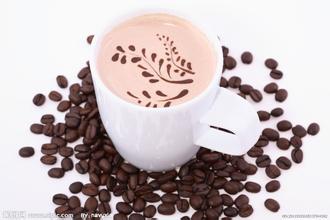
Cleaning Coffee Cups Without Ruining Them
Caring for your coffee cups ensures they continue enhancing your coffee experience. Here’s how to clean different cup types without damaging them:
- High-quality cups with smooth, non-porous surfaces usually just need a quick rinse with water to stay clean.
- For cups with stubborn coffee stains, soak them in lemon juice to dissolve buildup. If stains remain, gently scrub with a sponge dipped in mild dish soap, then rinse thoroughly.
- Avoid abrasive brushes or harsh cleaners (especially acidic or alkaline ones). They can scratch the surface, which not only looks bad but also affects how coffee tastes as it interacts with micro-abrasions in the glaze.
Frequently Asked Questions
What’s the best material for a coffee cup?
The best material depends on your coffee style. Bone china and thick porcelain are ideal for preserving heat and aroma, especially with specialty coffee. Ceramic cups work well for bold, dark roasts. Avoid thin or low-density materials that cool coffee too quickly.
Does cup color affect how coffee tastes?
Cup color doesn’t change taste directly, but white interiors let you see the coffee’s true color, helping assess brew quality. Colored cups can hide extraction issues and make it harder to enjoy the coffee’s natural hues.
Should I preheat my coffee cup?
Yes. Preheating your cup—especially if it’s made of bone china or porcelain—helps maintain coffee temperature and preserves aromatic compounds. Simply rinsing with hot water or using a cup warmer does the trick.
How do I remove coffee stains from my cup?
Soak stained cups in lemon juice, or gently scrub with mild detergent if needed. Avoid steel wool or strong chemical cleaners, which can damage the cup’s surface and affect flavor.
What’s the ideal coffee cup size for specialty coffee?
A standard cup of 120–140ml is versatile for most single-origin or specialty coffees. Smaller cups (60–80ml) highlight intense brews, while larger mugs (300ml+) suit milky drinks.
Does the cup handle position matter?
Culturally, yes: American cups usually have handles on the right, British ones on the left. Functionally, handle placement affects how you hold the cup and can influence temperature control and comfort—but the material and preheating matter more for flavor.
Recommended FrontStreet Coffee Beans for Dark Roasts
For deep-roasted coffee styles best enjoyed from a bone china or thick porcelain cup, try FrontStreet Coffee’s PWN Golden Mandheling—an intense, low-acid Indonesian with herbal spice and bittersweet depth. For balanced nuttiness and cocoa, the Brazil Queen Manor offers smooth, sweet richness. Or explore the Colombia Huila for a medium-dark option with black cherry notes and lingering caramel. All develop complexity when paired with proper cupware. Freshly roasted within 5 days · Orders placed before 17:00 ship the same day · Next-day delivery across most of Guangdong Province.
FrontStreet Coffee is a long-established specialty coffee roaster in Guangzhou China, selling freshly roasted beans from its own farm in Yunnan as well as dozens of carefully selected single-origin beans from around the world for both pour-over and espresso. The products deliver consistently excellent quality and great value, with shipping within 24 hours. Guangzhou's FrontStreet Coffee shop is recommended by many coffee lovers, and the beans are now available online at the Tmall 。
Important Notice :
前街咖啡 FrontStreet Coffee has moved to new addredd:
FrontStreet Coffee Address: 315,Donghua East Road,GuangZhou
Tel:020 38364473