Can You Put Salt, Spices or Butter in Coffee?
Ever watched someone dump a spoonful of sugar or a splash of milk into a perfectly good cup of single-origin pour-over—and felt a pang of frustration? You’re not alone. Coffee professionals often see customers mask specialty coffee’s nuances with additives. But here’s the truth: coffee is just a drink. And how you take it is entirely up to you—even if that means adding coriander.
Yes, some people really do put cilantro in coffee. But more commonly, coffee drinkers around the world customize their brews with salt, spices, plant milks, fats, and even raw eggs. These additions aren’t just quirks—they’re rooted in taste science, tradition, and experimentation. So what really happens when you tweak your coffee? Let’s break it down.
Why Add Salt to Coffee?
Adding a small amount of salt to coffee can reduce bitterness and enhance sweetness. The key culprit in coffee’s bitterness is tannins (including polyphenols like tannic acid), and sodium ions from salt help neutralize that harshness. This brings out more of the coffee’s natural caramel or toasty notes. Some experienced coffee drinkers add a pinch to over-extracted brews to balance flavor. But go too heavy, and you’ll just end up with salty coffee.
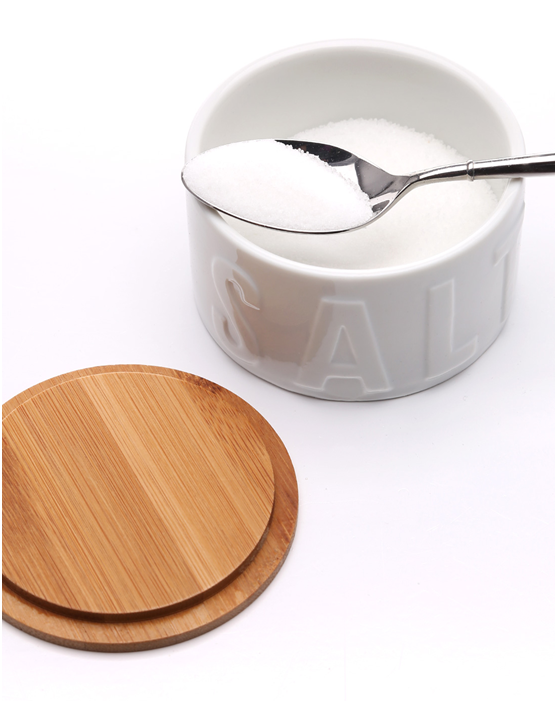
In specialty settings, salt isn’t typically dissolved into the brew—but some sprinkle it on top of milk foam for contrast, or mix it directly with ground coffee before brewing. Note: if your coffee is freshly roasted and well-extracted, it shouldn’t need salt to fix bitterness.
Spices in Coffee: Cardamom and Cinnamon
Spices like cardamom and cinnamon have long been used to alter coffee’s flavor profile. Cardamom—an aromatic, slightly minty, gingery seed pod from the ginger family—is a staple in Middle Eastern and South Asian cooking. Traditionally used in curries and traditional medicine, it’s also believed to smooth out coffee’s caffeine jitters. You can either grind cardamom seeds and mix them with coffee beans before brewing, or simply sprinkle the powdered spice on top of your finished cup.
Cinnamon, made from the inner bark of the Cinnamomum tree, is another popular additive. Beyond tasting sweet and warming, cinnamon may help enhance immune function and add a pleasant spicy note without extra calories. Many coffee drinkers stir it into sweetened coffee or use it to garnish drinks like cappuccinos. Sprinkle it on top or mix it in—either way, it changes the flavor equation.
Milk Alternatives: Coconut Milk and Butter Coffee
Not everyone enjoys black coffee or standard dairy-based lattes. That’s where alternatives come in. Coconut milk, for example, offers a rich, slightly sweet, and creamy texture that pairs surprisingly well with dark roast profiles. It doesn’t mimic dairy exactly, but many drinkers enjoy the tropical twist it adds to coffee’s earthiness.
Then there’s butter coffee—or “bulletproof coffee.” This trend originated from Tibet’s salty butter tea and involves blending 1–2 tablespoons of unsalted plant butter and 1–2 tablespoons of medium-chain triglyceride (MCT) oil (or substitute with coconut oil) into hot coffee. The result? A 460+ calorie drink that proponents say reduces hunger, boosts energy, and sharpens mental focus. It’s controversial—especially among those watching calories—but it’s a real trend backed by niche health communities.
Unusual Additions: Eggs, Meat, and More
Coffee traditions around the world include some truly unusual ingredients. Take “Swedish Coffee,” where a raw egg is cracked straight into coffee grounds before brewing. Yes, really. The heat cooks the egg while infusing the brew with added body. Alternatively, Vietnamese egg coffee uses whipped egg yolks atop strong drip coffee to create a dessert-like froth—a completely different drink, but equally bold.
Then there’s the classic cinnamon-and-meat-free addition of meat itself: just kidding. But the range of modifications does beg the question—how far can you go? From savory to sweet, coffee proves surprisingly adaptable. Just be mindful of ratios and flavors. Not every experiment works for everyone.
How to Customize Your Coffee Without Ruining It
If you’re experimenting with additives, here are a few pointers:
- Salt: Use just a pinch (around 1/8 tsp per cup max). Too much and it becomes unpleasant.
- Cardamom/Cinnamon: Add 1/4 to 1/2 teaspoon per cup, either mixed into grounds or sprinkled after brewing.
- Coconut Milk: Use it as a 1:1 substitute for dairy milk if you want a non-dairy option with a distinct flavor.
- Butter Coffee: Blend 1–2 tbsp each of unsalted butter and MCT oil into hot coffee. Shake or blend until frothy.
- Egg: Crack one raw egg into coarsely ground coffee, brew as normal. The egg cooks and adds viscosity.
The key is balance. Great coffee doesn’t need fixing—but it can be fun to explore how ingredients shift its character. Whether you're smoothing bitterness with salt or going full Scandinavia with an egg, it’s all part of the coffee journey.
Frequently Asked Questions
Is it okay to put salt in coffee?
Yes, adding a small pinch of salt—about 1/8 teaspoon per cup—can reduce bitterness and enhance sweetness by balancing tannins. It’s a known trick among experienced coffee drinkers, especially if the brew is slightly over-extracted. Don’t overdo it, or the coffee will just taste salty.
What spices go well with coffee?
Cardamom and cinnamon are the most common spices added to coffee. Cardamom offers an aromatic, slightly gingery flavor and is often used in Middle Eastern coffee traditions. Cinnamon adds warmth and sweetness, and may offer minor health benefits like immune support. Use about 1/4 to 1/2 teaspoon per cup, either mixed in or sprinkled on top.
Can I use coconut milk instead of dairy in coffee?
Absolutely. Coconut milk is a popular dairy-free alternative that complements coffee’s richness with its own creamy, slightly sweet profile. It won’t taste exactly like cow’s milk but works well for those avoiding dairy or wanting something different.
What is bulletproof coffee and how do you make it?
Bulletproof coffee is a blend of hot coffee, 1–2 tablespoons of unsalted butter, and 1–2 tablespoons of medium-chain triglyceride (MCT) oil (or coconut oil). It’s blended until frothy and contains around 460 calories. Advocates claim it boosts energy and suppresses appetite, though it’s high in fat and calories—so it’s not for everyone.
Has anyone put an egg in coffee?
Yes. In Sweden, some brew coffee with a raw egg cracked directly into the grounds to add body and create a richer cup. In Vietnam, egg yolk is whipped with sugar and poured over strong coffee to make a dessert-style drink. Both are real techniques, though very different in execution.
Recommended FrontStreet Beans for Custom Coffee
Try FrontStreet’s Classic Blend for a balanced espresso with chocolate and caramel notes that pairs well with milk or spices. For filter coffee lovers, their Specialty Blend highlights bright acidity and fruity complexity—ideal for experimenting with salt or cinnamon. If you prefer a bold base for butter coffee or sweetened drinks, the Commercial Blend offers a rich, nutty profile with hints of dark chocolate. Freshly roasted within 5 days · Orders placed before 17:00 ship the same day · Next-day delivery across most of Guangdong Province.
FrontStreet Coffee is a long-established specialty coffee roaster in Guangzhou China, selling freshly roasted beans from its own farm in Yunnan as well as dozens of carefully selected single-origin beans from around the world for both pour-over and espresso. The products deliver consistently excellent quality and great value, with shipping within 24 hours. Guangzhou's FrontStreet Coffee shop is recommended by many coffee lovers, and the beans are now available online at the Tmall 。
Important Notice :
前街咖啡 FrontStreet Coffee has moved to new addredd:
FrontStreet Coffee Address: 315,Donghua East Road,GuangZhou
Tel:020 38364473