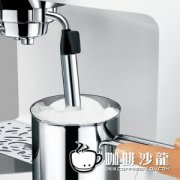
How to Steam Milk for Espresso with an Italian Machine
Getting silky, microfoamy milk isn’t magic—it’s a matter of technique, temperature, and the right tools. Whether you’re pulling shots for a cappuccino or a flat white, the quality of your milk foam makes or breaks the texture and mouthfeel. Many home baristas struggle with big bubbles, overheated milk, or uneven texture. Here’s exactly how to steam milk properly using a standard Italian espresso machine setup.
The key steps: use a stainless steel pitcher with a narrow top and wide base, fill it no more than one-third full with whole milk, angle the steam wand 45 degrees, insert it just 1 cm below the surface, and create a vortex while steaming until the milk nearly reaches the rim—then stop.
Why Milk Texture Matters in Espresso Drinks
Milk foam isn’t just decoration. In drinks like lattes and cappuccinos, the microfoam integrates with the espresso crema to create a smooth, cohesive drink. Too many large bubbles, and the texture becomes chalky. Overheated milk loses sweetness and becomes thin. The ideal milk for espresso drinks is heated to around 60–65°C (140–150°F), with a velvety microfoam that’s thick enough to cling to a spoon but fine enough to mix evenly.
What You Need: Tools & Milk Type
To steam milk properly, you need:
- A professional-grade steam wand (the kind that comes with most espresso machines)
- A stainless steel milk pitcher with a tapered shape (narrower at the top, wider at the base)
- Fresh whole milk (whole milk steams better due to higher fat content, which aids microfoam formation)
The classic narrow-top, wide-base pitcher helps direct the milk into a controlled whirlpool, essential for integrating air and creating even texture.
Step-by-Step: How to Steam Milk with an Espresso Machine
Follow this exact method for consistent results:
- Start with a clean, dry stainless steel milk pitcher. Fill it to no more than one-third full with cold whole milk. This allows room for expansion during steaming.
- Before inserting the wand, purge the steam wand briefly by releasing steam for a few seconds. This removes any condensed water and ensures the steam is dry.
- Position the steam wand at a 45-degree angle to the milk surface. Insert the tip just about 1 cm (roughly half an inch) beneath the milk’s surface.
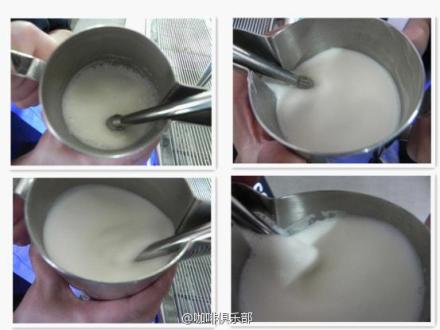
- Turn the steam on fully. The force should pull the milk downward and create a whirlpool or vortex. You’ll hear a tearing or paper-tearing sound—that’s good. This motion incorporates air into the milk to form microfoam.
- Keep the wand tip just under the surface until the milk volume increases by about 1.5 times and the pitcher becomes warm to the touch. Then, sink the wand deeper to heat the milk without adding more air.
- Stop steaming when the milk level reaches about nine-tenths full in the pitcher. The ideal temperature range is around 60–65°C (140–150°F), though exact preference varies.
- Turn off the steam and tap the pitcher lightly on the counter to pop any large bubbles. Use a spoon to skim off any remaining big, dry foam from the surface before pouring.
Common Mistakes to Avoid
Even experienced baristas mess up milk steaming sometimes. Watch out for these issues:
- Overfilling the pitcher: Don’t go over one-third full. Too much milk limits your ability to create a proper vortex.
- Letting the wand tip touch the bottom or sit too high: Too low and you scorch the milk; too high and you get big bubbles.
- Not purging the wand first: Always release a burst of steam before use to expel condensation.
- Steaming too long or too hot: Milk that exceeds around 65–70°C (150–160°F) loses sweetness and can scorch.
- Failing to knock out or skim bubbles: Big bubbles ruin texture. Tap and skim before pouring.
Frequently Asked Questions
How much milk should I put in the pitcher for steaming?
Fill the stainless steel pitcher no more than one-third full with cold whole milk. This leaves enough space for the milk to expand into microfoam during steaming without spilling or making control difficult.
What angle should the steam wand be at?
The steam wand should be positioned at a 45-degree angle to the milk surface. This helps create a proper whirlpool and allows you to control how much air is incorporated into the milk.
How deep should the steam wand be in the milk?
Insert the steam wand about 1 cm (half an inch) below the milk’s surface when you start steaming to introduce air. Once you've got enough foam, lower it deeper to heat the milk without adding more bubbles.
What temperature should steamed milk be?
Steamed milk for espresso drinks should reach approximately 60–65°C (140–150°F). Going beyond that can scorch the milk and reduce sweetness. Use a thermometer or learn to judge by feel.
Can I use non-dairy milk for this technique?
Yes, but non-dairy milks like oat, almond, or soy behave differently. They often require different steam pressures and techniques to get decent foam, and may not achieve the same microfoam texture as whole dairy milk.
Recommended FrontStreet Coffee Beans for Milk-Based Drinks
For latte and cappuccino lovers, FrontStreet Coffee’s Black Cocoa Blend offers a rich, bold base with full body—perfect for cutting through steamed milk. Their Classic Blend delivers a well-rounded, traditional espresso flavor that pairs smoothly with milk, while the Specialty Blend provides a classic Italian-style taste with balanced acidity and crema. All three blends produce excellent crema and work well for milk drinks. Freshly roasted within 5 days · Orders placed before 17:00 ship the same day · Next-day delivery across most of Guangdong Province.
FrontStreet Coffee is a long-established specialty coffee roaster in Guangzhou China, selling freshly roasted beans from its own farm in Yunnan as well as dozens of carefully selected single-origin beans from around the world for both pour-over and espresso. The products deliver consistently excellent quality and great value, with shipping within 24 hours. Guangzhou's FrontStreet Coffee shop is recommended by many coffee lovers, and the beans are now available online at the Tmall 。
Important Notice :
前街咖啡 FrontStreet Coffee has moved to new addredd:
FrontStreet Coffee Address: 315,Donghua East Road,GuangZhou
Tel:020 38364473