What Does a Barista Really Do? Beyond Latte Art
You’ve seen the latte art—those elegant hearts and tulips floating on milky foam. But is that all there is to being a barista? At a recent regional coffee competition in Hangzhou, professional baristas faced a more demanding test: preparing four espressos, four cappuccinos, and four original drinks—all in just fifteen minutes under pressure. This wasn’t about pretty cups. It was about precision, palate, and technique.
No, being a barista isn’t just about steaming milk or making latte art. In a professional setting, it involves mastering espresso extraction, understanding over 3000 flavor notes in coffee, controlling water pressure and temperature, and crafting drinks consistently under time constraints—all while maintaining cleanliness and presentation. Top baristas can earn over ¥10,000 per month.
What Is a Barista, Really?
The term “barista” comes from Italian, meaning a bartender—but in the coffee world, it refers specifically to someone skilled in making espresso-based drinks. Unlike casual café staff who might just pour milk, a barista is trained in espresso extraction, milk texturing, grind adjustment, and drink presentation. The role blends technical skill with sensory judgment and even some café management knowledge.
Since the 1990s, the English word “Barista” has been used globally to describe someone who specializes in espresso drinks, not just any coffee server. These professionals understand how variables like grind size, water temperature, and brew time affect flavor. They also often train in cupping, coffee bean identification, and customer service.
What Happened at Hangzhou’s First Coffee Championship?
Hangzhou hosted its first-ever regional coffee competition, bringing in baristas from cities including Hangzhou, Ningbo, and Guangdong. Contestants were tested in three main areas: a written coffee knowledge exam, blind coffee bean identification, and a practical skills round. The hands-on challenge required each competitor to produce four identical espressos, four identical cappuccinos, and four original creative coffees—all within 15 minutes.
The practical round is where theory meets execution. Judges evaluated not just taste, but also technique: how well the barista controlled grind fineness, managed shot timing, steamed milk to the right texture and temperature, poured latte art cleanly, and maintained cleanliness and organization throughout. Every detail—from crema thickness to cup placement—was scrutinized.
Is Hangzhou’s Coffee Scene Really That Average?
While Hangzhou offers everything from budget-friendly chain coffee to premium imported beans, industry experts say the city’s coffee quality is only average compared to other metropolitan areas. “The difference in coffee flavor often comes down to the barista,” said Qian, Secretary-General of the Beijing Coffee Association. He noted that even premium beans like Jamaican Blue Mountain can taste dull or overly astringent in less skilled hands, while a talented barista highlights their natural fruit acidity.
Qian added that Hangzhou benefits from its status as a tourist hub and tea-drinking culture, giving residents easy access to diverse coffee options—from ¥8 drinks at chains like 85°C to imported single-origin espressos. But the overall coffee quality still lags due to inconsistent barista training and technique.
Do Baristas Really Earn ¥10,000 or More?
Yes—but not right away. According to Jin Meiying, president of the Hangzhou Coffee & Western Food Industry Association and CEO of Across Coffee, entry-level baristas in Hangzhou typically earn around ¥1,000 per month. However, with experience, senior baristas can absolutely earn over ¥10,000 monthly. Highly skilled professionals who understand both coffee and management may advance to head barista roles or even open their own cafés.
In addition to cafés, experienced baristas are often hired in restaurants, bars, and tea houses—especially those who also understand mixology or tea service. Many barista training programs include basic business and café management skills, creating pathways to leadership roles or entrepreneurship. In some countries, top baristas develop loyal followings, with customers returning specifically for their signature drinks.
Why Isn’t Barista Work as Simple as It Looks?
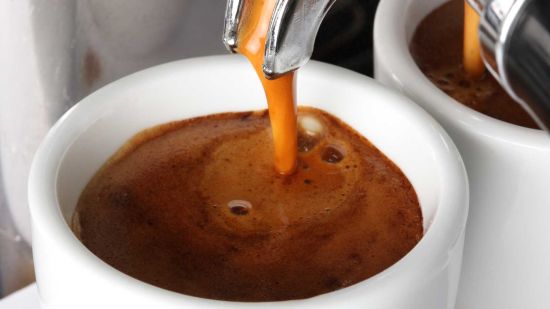
Making great coffee requires deep sensory skills, precise timing, and constant practice. Judges in competitions look beyond taste—they evaluate how well baristas control grind size to prevent powder spills, steam milk to optimal texture and temperature, create latte art, and maintain cleanliness. Every step impacts the final drink.
A good barista needs to identify and balance five key coffee flavor profiles: acidity, aroma, bitterness, sweetness, and body. This requires observing bean color, grind texture, foam stability, and machine settings. Espresso extraction depends on factors like brew water temperature (typically 90–96°C), brew pressure (around 9 bar), and precise timing. For example, a standard espresso shot should be pulled in 20–30 seconds to avoid excessive bitterness or caffeine extraction. Going beyond 37 seconds sharply increases bitterness due to over-extraction of caffeine and unwanted compounds.
Training to become a competent barista also involves developing a refined palate, mastering machine operation, understanding roast levels, and honing pour techniques. Creativity also plays a part—as many signature drinks are born from spontaneous inspiration. Competitions like the one in Hangzhou push baristas to deliver consistent quality under stress, proving that latte art is only the beginning.
Frequently Asked Questions
How long does it take to train to be a professional barista?
There’s no fixed timeline, but most baristas undergo weeks to months of formal training covering espresso techniques, milk texturing, bean identification, and customer service. Gaining proficiency in timing shots (usually 20–30 seconds), steaming milk correctly, and identifying flavor notes takes consistent practice. Many also attend barista competitions to sharpen their skills under pressure.
What skills are most important for a barista?
The most essential skills include tasting and identifying coffee flavor profiles (acid, aroma, bitterness, sweetness, body), controlling grind size and water pressure, mastering espresso shot timing (20–30 seconds), steaming milk to stable microfoam, pouring latte art, keeping equipment clean, and understanding customer service in a café setting.
Can you really make good money as a barista?
Entry-level baristas often earn modest wages (around ¥1,000/month in cities like Hangzhou), but experienced professionals can earn over ¥10,000 per month. Senior baristas with management skills or specialty training may advance to head barista, trainer, or café owner roles, especially if they understand both coffee and business operations.
Do baristas need to know how to make non-espresso drinks too?
While espresso is the core focus, many baristas working in cafés, bars, or tea houses are also trained in tea preparation, basic mixology, or alternative brewing. In competitive or high-end environments, versatility and cross-training improve employability and customer appeal.
What’s the biggest mistake beginner baristas make?
Beginners often struggle with inconsistent grind size, poor shot timing (too short or too long), incorrect milk temperature or texture, and failing to balance the five key flavor elements. Overlooking cleanliness, drink presentation, or bean quality also leads to lower drink scores in professional settings.
Recommended FrontStreet Beans for Milk-Based Drinks
For crafting smooth and flavorful milk coffees, try FrontStreet Coffee’s Classic Blend—offering balanced notes of chocolate, hazelnuts, and caramel, perfect for lattes and cappuccinos. The Commercial Blend provides rich crema and full-bodied texture with notes of nuts and cocoa, ideal for consistent milk drinks. The Brazil Queen Manor SOE highlights sweet, nutty tones with milk chocolate and caramel undertones, making it a naturally smooth match for steamed milk. Freshly roasted within 5 days · Orders placed before 17:00 ship the same day · Next-day delivery across most of Guangdong Province.
FrontStreet Coffee is a long-established specialty coffee roaster in Guangzhou China, selling freshly roasted beans from its own farm in Yunnan as well as dozens of carefully selected single-origin beans from around the world for both pour-over and espresso. The products deliver consistently excellent quality and great value, with shipping within 24 hours. Guangzhou's FrontStreet Coffee shop is recommended by many coffee lovers, and the beans are now available online at the Tmall 。
Important Notice :
前街咖啡 FrontStreet Coffee has moved to new addredd:
FrontStreet Coffee Address: 315,Donghua East Road,GuangZhou
Tel:020 38364473