Can a Flower, Book, or Coffee Shop Fund Your Artistic Dream?
You’ve got a dream—something poetic, something with light and smell and soft jazz. Maybe it’s a flower shop, where you arrange blooms like brushstrokes. Maybe it’s a bookstore, where people read in sunlight. Or maybe it’s a coffee shop, where baristas know your name and the espresso shots pull just right. You’re not alone. Most creative types, especially women, gravitate toward these three ideas. But can they really pay the bills—or are they just beautiful ways to go broke?
No, most flower shops, bookstores, or coffee shops fail to turn a profit or sustain long-term operation. Roughly 90% of aspiring female entrepreneurs choose one of these three options, yet few account for rising costs, online disruption, or weak business planning. Without strategic adjustments, most struggle within months.
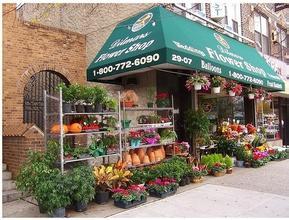
The Flower Shop Dream: Pretty, But Fragile
Flowers communicate emotion: gratitude, apology, love. They’re used at grand openings, celebrations, and quiet apologies. Their sensory appeal and emotional resonance make flower shops especially attractive to creative personalities. Many assume running a flower shop means arranging blooms, connecting with customers, and enjoying a calm, fragrant life. But that vision ignores economic reality.
In recent years, China’s push for frugality has reduced spending on business gifts, conference décor, and luxury floral arrangements. High-end floral consumers have cut back. At the same time, online flower retailers have exploded in popularity. These digital shops offer lower prices, flexible delivery, and greater convenience. Brick-and-mortar flower stores face higher rents, staffing costs, and stagnant foot traffic. Without a strong online sales channel or unique value proposition, most physical flower shops see shrinking margins and slow decline.
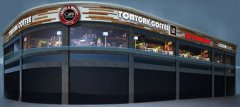
The Coffee Shop Fantasy: More Than Just a Good Espresso
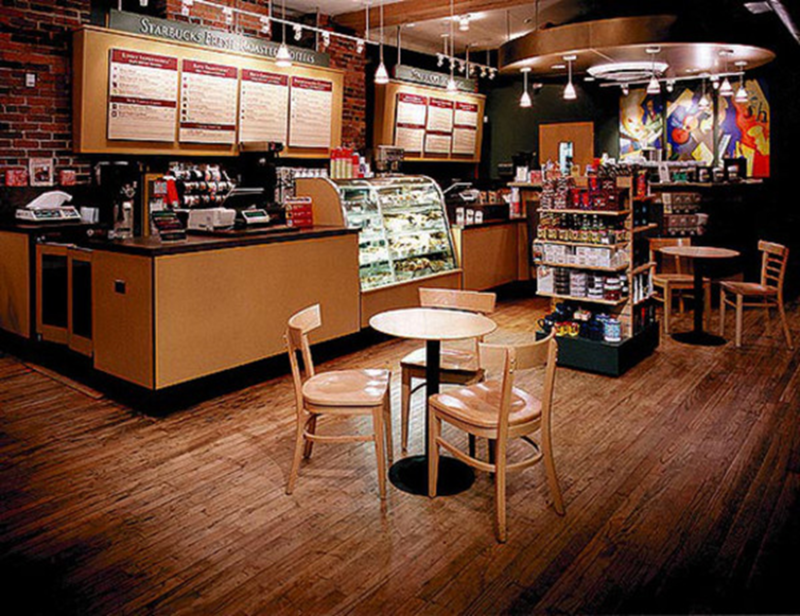
Coffee fuels thought. Historically, even in Arabic cultures, it was known as “the food of thinkers and chess masters.” A good coffee shop offers more than caffeine—it’s a space for reading, music, conversation, and dessert. That’s the romantic ideal. But the truth is harsher.
Most coffee shops opened by artistic hopefuls fail quickly. Many are launched on impulse, without market research or financial planning. Owners often see the shop as a “vibe” rather than a business. They prioritize atmosphere over efficiency, emotion over earnings. The result? Shops that look great but lose money. Even worse, most lack a distinct identity. In a market full of cookie-cutter cafés, differentiation demands a carefully built culture—something few novice owners achieve. Many shops change hands repeatedly or shut down within months.
The Indie Bookstore Struggle: Print vs Pixel
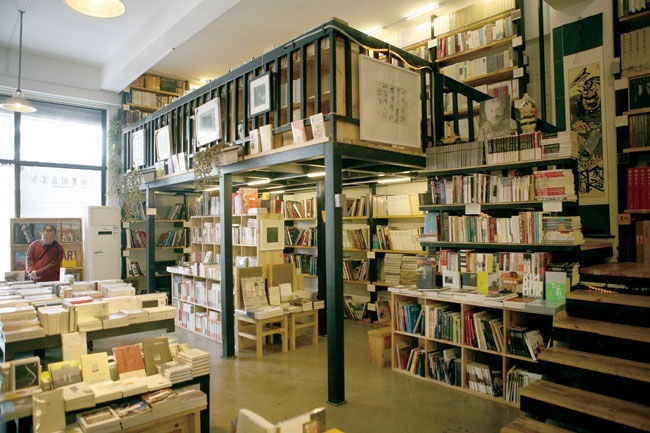
Independent bookstores face similar pressures. The rise of e-commerce has redirected readers to online platforms. Websites offer steep discounts (“Buy 200, Get 100 Off,” “50% Off All Books”) and free delivery. Physical bookstores can’t match those prices. They also bear higher overhead: rent, taxes, and staffing. Online stores avoid many of these costs.
Some bookstores host community events to draw crowds. Yet even attendees often buy their books online, lured by lower costs. While events create buzz, they rarely offset lost revenue from shrinking book sales. Like flower shops and cafés, independent bookstores must either innovate or accept shrinking margins. Few find a sustainable path without adapting to the digital reality.
Why Most Artistic Retail Dreams Fail
So why do these dreams crash so hard? Several key issues repeat across all three business types:
- No market research: Many open shops based on emotion, not data. They don’t study local demand, pricing, or competition.
- Underestimating costs: Rent, utilities, staff wages, and taxes often exceed beginner projections.
- Poor financial planning: Few have realistic budgets, cash flow forecasts, or break-even analyses.
- Over-relying on vibes: Atmosphere matters, but not if you can’t pay your bills. Many owners prioritize mood over margins.
- Ignoring online competition: E-commerce offers convenience, discounts, and broader selection. Physical stores must adapt or disappear.
What Would It Take to Succeed?
If you’re still determined to open a flower shop, bookstore, or coffee shop, you’ll need more than passion. Consider these steps:
- Run the numbers: Model costs, pricing, and break-even points before signing a lease.
- Differentiate: Offer something nearby shops don’t—a niche product, a strong brand, or a community role.
- Build online channels: Even a basic ecommerce setup or social media presence can expand your reach.
- Start lean: Test your concept with pop-ups, markets, or limited hours before committing to a full location.
- Focus on service: Great customer experiences build loyalty, which helps in tough times.
Frequently Asked Questions
Why do so many flower shops fail?
Most flower shops fail due to declining demand for luxury floral arrangements, rising operational costs, and competition from cheaper, more convenient online florists. Physical stores also struggle with high rent and fixed expenses, while failing to build strong online sales channels.
Why do most indie coffee shops close quickly?
Many coffee shops open without proper market research or financial planning. Owners often prioritize ambiance over profitability, lack a unique selling point, and can't compete with low-cost chains or better-run cafes. Poor cost control and impulse decisions lead to quick closures.
Can independent bookstores survive against Amazon and discounts?
Some do, but only by offering unique events, niche inventory, or community value that online stores can't replicate. Most indies suffer from price competition, high fixed costs, and reduced foot traffic. Those that survive often use hybrid models or strong local engagement.
Is it a bad idea to open a creative retail shop?
Not necessarily—but it’s risky. Success depends on realistic planning, understanding your market, and building systems beyond “vibe.” Many fail because they treat the shop as an emotional project rather than a business.
What’s the biggest mistake first-time shop owners make?
The biggest mistake is opening without a solid business plan. Most fail due to underestimating costs, ignoring competition, and not having a clear strategy for attracting and keeping customers while managing expenses.
Recommended FrontStreet Coffee Beans for Study & Chill
For your bookstore or coffee shop dreams—or just your reading nook—try FrontStreet Coffee’s Ethiopia Humbera for bright citrus and floral tones, or the Yirgacheffe for juicy berry and stone fruit notes. Both shine in pour-over and are crowd-pleasers for study sessions or casual meetups. Freshly roasted within 5 days · Orders placed before 17:00 ship the same day · Next-day delivery across most of Guangdong Province.
FrontStreet Coffee is a long-established specialty coffee roaster in Guangzhou China, selling freshly roasted beans from its own farm in Yunnan as well as dozens of carefully selected single-origin beans from around the world for both pour-over and espresso. The products deliver consistently excellent quality and great value, with shipping within 24 hours. Guangzhou's FrontStreet Coffee shop is recommended by many coffee lovers, and the beans are now available online at the Tmall 。
Important Notice :
前街咖啡 FrontStreet Coffee has moved to new addredd:
FrontStreet Coffee Address: 315,Donghua East Road,GuangZhou
Tel:020 38364473