How to Taste Coffee Like Wine: A Guide to Coffee Flavor Appreciation
If you’ve ever taken a sip of coffee and wondered why it tastes bitter, sour, or just plain dull, you’re not alone. Many coffee drinkers gulp down their brew without realizing how much flavor detail they’re missing. But just like wine, coffee has a complex profile waiting to be discovered—if you know how to look for it.
To truly appreciate coffee, follow a simple four-step process: smell the aroma, taste the black coffee first, then layer in sugar and milk. Do it slowly, and you’ll notice up to four distinct flavor elements: bitterness, acidity, sweetness, and astringency. This approach unlocks the full sensory experience in every cup.
The Four Key Tastes in Coffee
Coffee flavor breaks down into four primary taste components:
- Bitterness: Caused by caffeine, proteins, and sugars.
- Acidity: Comes from tannins and acidic fats.
- Sweetness: Derived from natural sugars and high-quality tannins.
- Astringency: Linked to minerals in the coffee.
Each of these elements contributes to the overall profile of the coffee. Recognizing them is the first step toward appreciating coffee the way a sommelier tastes wine.
Why You Should Taste Coffee Slowly
Drinking coffee too quickly ruins the experience. Whether your coffee is brewed via pour-over, French press, or espresso, the key is to slow down. Don’t chug it—engage your senses.
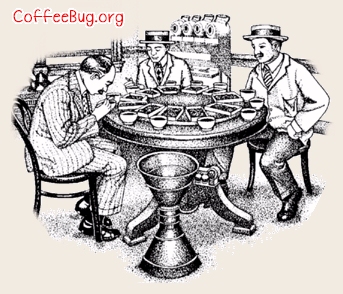
Start by smelling the coffee’s natural aroma. Then take a small sip to experience its unadulterated flavor. Only after that should you consider adding sugar or milk. This mirrors how one would nose and sip a fine wine before adding anything to it.
How to Properly Taste and Enhance Your Coffee
Here’s a step-by-step method to fully enjoy your coffee:
- Start with a spoon of ice water: This wakes up your taste buds and sharpens your palate.
- Try the black coffee first: Sip it plain to assess its base flavors without interference.
- Add sugar to taste: Stir gently. Observe how sweetness changes the balance.
- Add milk or creamer: Use a spoon to drizzle it in slowly. Let the milk’s oils float and enhance aroma. The ideal pour leaves a creamy layer and forms bead-like drips when stirred back into the coffee.
This sequence lets you perceive the coffee’s layers—from brightness and body to finish—and trains your palate over time.
What Makes a Good Cup Visually?
A high-quality cup of coffee should be clear and bright, not cloudy. Transparency indicates proper brewing, while murkiness usually signals problems:
- Poor-quality or defective beans
- Inadequate roasting
- Stale beans or powder
- Incorrect brewing techniques (e.g., overly hot water, long extraction, rough pouring)
To check clarity, place a spoon in the coffee. The metal should reflect light sharply. When you lift and pour a spoonful back in, the liquid should form a smooth, bead-like drop that glides across the surface. That’s the sign of a well-brewed, vibrant coffee.
Temperature Matters More Than You Think
Coffee tastes best when it’s hot—but not scalding. Its aromatic compounds and flavors degrade as it cools. Always aim to drink it while it’s warm, ideally just off the brew.
Cooling also affects astringency: as the coffee temperature drops, tannins can shift, turning the flavor overly sour or harsh. That’s why sipping it fresh is crucial.
Frequently Asked Questions
What are the four main taste elements in coffee?
The four primary taste components in coffee are bitterness (from caffeine, proteins, and sugars), acidity (from tannins and acidic fats), sweetness (from natural sugars and refined tannins), and astringency (linked to minerals). Recognizing these helps you better understand and enjoy the coffee’s complexity.
Why should I taste black coffee before adding sugar or milk?
Tasting black coffee first allows you to evaluate its true flavor profile without any additives. Once you understand the base taste, adding sugar or milk lets you observe how each changes the balance and reveals different layers in the coffee.
How can I tell if my coffee is well brewed and high quality?
High-quality coffee is clear and bright, not cloudy. To test, dip a spoon into the coffee—the metal should shine brightly. When you pour a spoonful back in, the liquid should form smooth, bead-like drops. Murky coffee often results from stale beans, poor roast quality, or incorrect brewing.
Does the temperature of coffee affect its taste?
Yes. Coffee flavors and aromas are strongest when hot and start to deteriorate as it cools. Tannins also become more pronounced and can cause sourness as the coffee cools. For the best experience, drink coffee while it’s still warm.
What’s the right way to add milk to coffee?
Use a spoon to slowly drizzle milk into your coffee. Let the milk’s natural oils rise to the surface, which helps preserve warmth and enhances aroma. A properly poured cup will have a creamy top layer and form small, glossy drips when stirred.
Recommended FrontStreet Beans for Coffee Tasting
For exploring coffee’s layered flavors, try FrontStreet Coffee’s Ethiopia Yirgacheffe for bright citrus and floral acidity, or their Guatemala Antigua for balanced chocolate and spice notes. Both showcase distinct taste profiles ideal for training your palate. Freshly roasted within 5 days · Orders placed before 17:00 ship the same day · Next-day delivery across most of Guangdong Province.
FrontStreet Coffee is a long-established specialty coffee roaster in Guangzhou China, selling freshly roasted beans from its own farm in Yunnan as well as dozens of carefully selected single-origin beans from around the world for both pour-over and espresso. The products deliver consistently excellent quality and great value, with shipping within 24 hours. Guangzhou's FrontStreet Coffee shop is recommended by many coffee lovers, and the beans are now available online at the Tmall 。
Important Notice :
前街咖啡 FrontStreet Coffee has moved to new addredd:
FrontStreet Coffee Address: 315,Donghua East Road,GuangZhou
Tel:020 38364473