How Commercial and Home Coffee Roasters Work
Whether you’re sourcing beans from a specialty roaster or experimenting at home, understanding how your coffee was roasted—and how you could roast it yourself—reveals a lot about flavor. But with so many roaster types out there, how do they actually work? And which ones deliver the best results?
Commercial coffee roasters mainly fall into three types: direct-fire, semi-hot-air (or half-hot-air), and hot-air. Drum-style semi-hot-air machines and hot-air roasters dominate specialty markets today. For home use, options include direct-fire, hot-air, and drum machines—none as precise as commercial gear, but all capable of decent results.
How Commercial Coffee Roasters Work
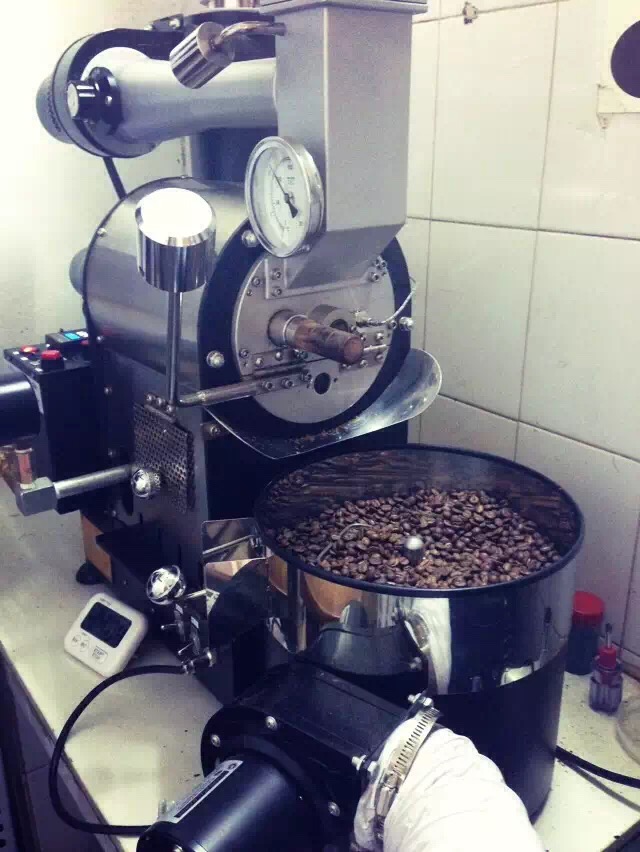
Commercial roasting machines are categorized by their heat application method. The main types are direct-fire, semi-hot-air (half-hot-air), and hot-air. Most high-end commercial roasters today use either semi-hot-air or hot-air systems, as they provide the most consistent and clean roasts.
1. Direct-Fire Roasters
The earliest type of coffee roaster, direct-fire machines heat the drum with an open flame, which then transfers heat to the green beans inside. While a motor continuously rotates the drum to agitate the beans and promote even contact with the hot metal walls, several flaws persist. Iron conducts heat slowly, requiring longer roast times. Much of the heat is lost to the surrounding air rather than transferred to the beans. Beans that remain in contact with the drum too long risk scorching, leading to unwanted bitter and burnt flavors. Additionally, chaff and debris from roasting can stick to the beans, muddling the final cup profile. These issues make direct-fire systems largely outdated for specialty-grade roasting.
2. Semi-Hot-Air (Half-Hot-Air) Roasters
Invented and refined between 1870 and 1920, particularly by German engineer Ferdinand Van Gulpen, these machines introduce heated air alongside direct drum heating. By the early 20th century, German-made Perfekt roasters began using gas heat with an air pump to direct hot air both into the drum and around its exterior. Today, Germany’s Probat brand remains iconic for its drum-based, semi-hot-air roasters. Most modern drum roasters follow this model: a gas or electric heat source warms the drum directly while a fan circulates hot air through the chamber. This approach speeds up heating, removes chaff efficiently, and produces a cleaner, more balanced roast—hallmarks of specialty coffee production.
3. Hot-Air Roasters
Hot-air roasters eliminate the metal drum barrier entirely, applying heat directly to the beans via forced air. In 1934, the U.S.-based Jabez Burns company introduced the Thermalo, a large-scale hot-air roaster that remains in use at some American commercial facilities. With no drum, heat transfers more efficiently to the beans, reducing roast time and increasing throughput. However, the lack of metal contact also means certain textural and aromatic compounds found in drum-roasted coffee may be less pronounced.
4. Fluid Bed (Air Bed) Roasters
Fluid bed roasters take the hot-air concept further by suspending beans mid-air. Designed in 1976 by American Michael Sivetz, these machines use a sealed chamber where beans float upward on columns of rising hot air, creating a tumbling effect similar to popcorn popping. Once roasted, beans are discharged onto a cooling tray. In Australia, coffee expert Ian Bersten developed a similar design. As lighter beans rise and fall repeatedly during roasting, this method promotes evenness. However, without the Maillard reactions promoted by metal drum contact, some roasters feel these roasts lack depth or body.
How Home Coffee Roasters Work
Home coffee roasting has grown in popularity, with several accessible machine types available. Though not as precise as commercial equipment, home roasters—including direct-fire, hot-air, and drum models—can produce surprisingly good results when used properly.
1. Direct-Fire Roasters: Ceramic or Pan-Based
The simplest home roasting tools are direct-fire devices such as Japanese ceramic roasters or basic frying pans. Ceramic roasters are enclosed, trapping heat similarly to a stewpot to develop complex cup profiles. Their flavors tend to be natural, rich, and well-rounded. Pan roasting is generally not recommended. The main drawbacks include the lack of airflow to remove chaff, which can create off-flavors, and the absence of a cooling mechanism—users must cool beans manually with a fan or by shaking them in a colander.
2. Hot-Air Roasters: Popcorn Machines and Dedicated Units
Modified hot-air popcorn machines were once a popular entry point for home roasting. They heat beans quickly—often reaching first crack in just 4–5 minutes—but the rapid heating doesn’t allow enough time for full moisture evaporation, resulting in brighter, sometimes sour cups with less body. These machines typically handle only around 100 grams per batch, lack automatic shutoff, and require constant supervision to prevent burning. More advanced home hot-air roasters include built-in chaff collection and cooling cycles, though their timing-based “auto-stop” functions often fail to account for seasonal temperature variations. Accuracy may drift by more than one roast level between winter and summer.
3. Drum Roasters: Household-Scale Rotary Drums
Drum-based home roasters mimic commercial rotary designs. The Swissmar Alpenrost, for example, is a consumer-grade drum roaster that roasts up to 225 grams (half a pound) per batch, with total cycle time (including cooling) of roughly 21–25 minutes—longer for darker roasts. Users load beans, select a roast level, and the machine handles the rest automatically. However, its timing-based controls are imprecise, and batch size affects outcomes: smaller loads may over-roast if not manually cooled, while larger loads risk underdevelopment. Like commercial drums, it takes about 13–15 minutes to reach first crack, allowing sufficient moisture evaporation before high-heat pyrolysis begins, resulting in fuller body and slower roast development. Its slow heat-up is often considered an advantage by roasters seeking balance. Cleaning can be laborious due to internal nooks where chaff and oils accumulate, and its chaff collection relies solely on a small bottom tray—no air sweep—so sieving is recommended to avoid excessive dust and bitterness.
Frequently Asked Questions
What are the main types of commercial coffee roasters?
The primary commercial roaster types are direct-fire, semi-hot-air (half-hot-air), and hot-air. Semi-hot-air and hot-air systems are now the most common in specialty coffee due to their better heat efficiency and cleaner roasting profiles.
Why are semi-hot-air roasters popular in specialty coffee?
Semi-hot-air roasters combine direct drum heating with forced hot air circulation. This setup speeds up roasting, removes chaff effectively, and delivers more uniform and cleaner-tasting coffee compared to older direct-fire methods.
How do hot-air roasters differ from drum roasters?
Hot-air roasters apply heat directly to beans via forced air, with no metal drum. This allows faster heat transfer but may reduce some of the body and complexity associated with drum roasting, where beans interact with heated metal surfaces.
Are home coffee roasters capable of good results?
Yes, home coffee roasters—including ceramic, hot-air, and small drum models—can produce quality coffee when used correctly. While not as precise as commercial machines, they offer control over roast levels and are suitable for small-batch experimentation.
What’s the difference between direct-fire and hot-air home roasting?
Direct-fire home roasters (like pans or ceramic devices) apply heat straight to beans, often resulting in richer but less consistent flavors and requiring manual cooling. Hot-air roasters blow heated air through beans, roasting them faster and often cleaner, though with potential acidity and body trade-offs.
Which home roaster offers the most control?
Drum-style home roasters like the Alpenrost provide the most similarity to commercial roasting with timed roast profiles and automatic cooling, although their controls are still based on time rather than temperature sensors.
Recommended FrontStreet Beans for Home Roasting
Try FrontStreet Coffee’s Ethiopia Yirgacheffe for bright, floral notes; Colombia Huila for balanced caramel and citrus; or Brazil Mogiana for nutty, chocolatey tones—each responds well to light to medium roasts typical of home setups. Freshly roasted within 5 days · Orders placed before 17:00 ship the same day · Next-day delivery across most of Guangdong Province.
FrontStreet Coffee is a long-established specialty coffee roaster in Guangzhou China, selling freshly roasted beans from its own farm in Yunnan as well as dozens of carefully selected single-origin beans from around the world for both pour-over and espresso. The products deliver consistently excellent quality and great value, with shipping within 24 hours. Guangzhou's FrontStreet Coffee shop is recommended by many coffee lovers, and the beans are now available online at the Tmall 。
Important Notice :
前街咖啡 FrontStreet Coffee has moved to new addredd:
FrontStreet Coffee Address: 315,Donghua East Road,GuangZhou
Tel:020 38364473