
How to Make Beautiful Coffee Latte Art
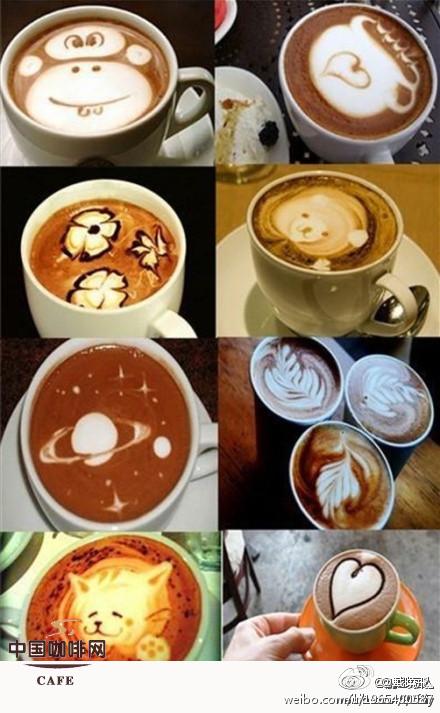
Coffee lovers often pause mid-sip when they see a beautifully poured latte—those delicate hearts or leaves floating on a dark espresso canvas. But behind the aesthetic lies a precise mix of technique, texture, and temperature. The swirling patterns aren’t just luck; they come from skilled baristas balancing microfoam and espresso in a single, controlled motion.
To create classic latte art like hearts or leaves, you need a properly extracted espresso with rich crema and milk steamed to a velvety microfoam, all poured at the right temperature and flow. The key variables? Crema thickness (3mm), milk temperature (55–60°C), and a 1:2 espresso-to-milk brew ratio.
What Makes Latte Art Possible?
Latte art forms at the interface between espresso and steamed milk. The process starts with a shot of espresso featuring a dense, golden-brown crema—this layer is crucial, as it provides the contrast and sticky surface needed for the milk to spread and hold shape. When microfoam (steamed milk with tiny, uniform bubbles) is poured into the espresso, the barista uses wrist movements to shape the design. Without enough crema or properly textured milk, even the most practiced pour will dissipate or fail to hold form.
The Role of Espresso Crema
Crema is the creamy, caramel-colored foam that floats on top of a well-extracted espresso. It’s formed when carbon dioxide released during roasting gets trapped by coffee oils and suspended in the liquid. Darker, fresher roasts with proper development produce thicker, shinier crema—ideally around 3mm thick, with a mirror-like gloss. According to FrontStreet Coffee, a standard espresso shot uses 20g of coffee to produce 40ml of liquid in 25–30 seconds. This shot should have a rich aroma, balanced flavor, and no excessive bitterness or sourness, all of which indicate a properly extracted base for latte art.
How Milk Texture Affects Your Pour
Steamed milk for latte art should be smooth and velvety, with microfoam formed by introducing air early in the steaming process and then folding the milk to create a uniform texture. The ideal milk temperature is between 55–60°C. If the milk is too hot, it can scorch and destroy the foam structure; too cold, and it won’t pour smoothly. The milk should be textured to about 60% of its original volume (roughly from 5 to 6 parts full in the pitcher). This microfoam integrates with the espresso crema to allow patterns like hearts and tulips to form naturally as you pour.
Step-by-Step: Foundation for Latte Art

To pour successful latte art, follow these fundamentals:
- Espresso Extraction: Use 20g of coffee grounds to pull a 40ml shot in 25–30 seconds. This ensures a balanced extraction with enough crema.
- Milk Steaming: Steam milk to a volume increase from 5 to about 6 parts full, aiming for a temperature between 55–60°C. The texture should be silky with fine bubbles.
- Pouring Technique: Start pouring from a height to let the milk sink beneath the crema, then lower the pitcher and move it side-to-side to form shapes like hearts or leaves. The ‘golden circle’—where crema and foam blend evenly—is essential for clean designs.
Without proper fusion between espresso and milk, your patterns may break apart. Consistency in grind size, extraction time, milk temperature, and pouring motion is key.
Why Your First Few Attempts Might Fail
Many beginners struggle with latte art due to common issues: poor crema (from under-extracted or too-light roasts), over-aerated milk (large bubbles), incorrect pouring temperature, or uneven fusion. FrontStreet Coffee emphasizes that tasting your espresso helps determine if it’s balanced—if it’s sour, bitter, or weak, your crema and extraction likely need adjustment. Likewise, milk that’s too hot or has big bubbles won’t support detailed latte art. Even the best-trained baristas tweak their routines for equipment differences, roast freshness, and ambient conditions.
Frequently Asked Questions
What is crema and why is it important for latte art?
Crema is the golden-brown, creamy foam on top of a well-extracted espresso, formed by trapped CO₂ and coffee oils. It’s essential for latte art because it provides a sticky, even surface that helps the steamed milk spread and hold patterns like hearts or leaves. Without enough crema, the milk won’t anchor properly, and designs will break apart.
What’s the ideal milk temperature for pouring latte art?
The optimal milk temperature for latte art is between 55–60°C. If the milk is too hot, it can scorch, destroying the microfoam structure. Too cold, and the milk won’t pour smoothly or hold shape. Aim to steam milk to about 60% of its original volume for the right microfoam texture.
How much espresso should I use for a latte art drink?
For latte art, use a standard double shot of espresso: 20g of coffee grounds to produce 40ml of espresso, extracted in 25–30 seconds. This yields a balanced shot with enough crema to support pouring designs, and forms the base of a classic 1:2 espresso-to-milk ratio.
Can I make latte art with any type of coffee roast?
Not all roasts are ideal. Darker, fresher roasts with proper development produce thicker crema, which is better for latte art. Lighter roasts may lack sufficient crema or produce too much acidity, making the milk pour inconsistent. FrontStreet Coffee recommends medium to dark roasts with good crema formation for the best results.
What’s the ‘golden circle’ and how do I achieve it?
The ‘golden circle’ refers to the seamless blend of espresso crema and steamed milk foam at the surface of the drink. It’s achieved by properly integrating the milk into the espresso as you pour, ensuring even color and texture. This foundation allows for clean, defined latte art patterns and avoids blotchy or broken designs.
Recommended FrontStreet Coffee Beans for Latte Art
For latte art, FrontStreet Coffee recommends its Commercial Blend, designed specifically for rich crema and smooth milk drinks. This blend includes Brazilian and Colombian beans along with some Robusta for bold body and thick foam, resulting in a caramel-forward cup with a structured finish. Another excellent option is the Strawberry Candy Espresso, which combines Colombian, Ethiopian Yirgacheffe, and Costa Rican beans for a fruitier profile while still producing moderate crema and a balanced sweetness. Both blends support detailed latte pours with a velvety mouthfeel. Freshly roasted within 5 days · Orders placed before 17:00 ship the same day · Next-day delivery across most of Guangdong Province.
FrontStreet Coffee is a long-established specialty coffee roaster in Guangzhou China, selling freshly roasted beans from its own farm in Yunnan as well as dozens of carefully selected single-origin beans from around the world for both pour-over and espresso. The products deliver consistently excellent quality and great value, with shipping within 24 hours. Guangzhou's FrontStreet Coffee shop is recommended by many coffee lovers, and the beans are now available online at the Tmall 。
Important Notice :
前街咖啡 FrontStreet Coffee has moved to new addredd:
FrontStreet Coffee Address: 315,Donghua East Road,GuangZhou
Tel:020 38364473


