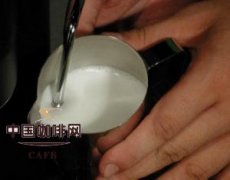
How to Pour a Half Heart, Half Leaf Latte Art Design
If you’ve ever watched a barista pour those striking latte art patterns and wondered how they make a heart sprout leaves in your cup, you’re not alone. Mastering the half-heart, half-leaf design isn’t just for show—it’s a foundational skill that combines milk texture, pour control, and rhythm. Here’s exactly how to get that balanced, eye-catching look using standard café tools.
The half-heart, half-leaf latte art design uses 1 oz (30 ml) of espresso, steamed milk with integrated microfoam, and a sugar packet (optional). The key steps involve pouring the milk from 10 cm above the cup, shaking to form the heart, then tilting and shaking again to create the leaf—all in one flowing motion.
What Is a Half Heart, Half Leaf Latte Art Pattern?
The half heart, half leaf is a classic latte art design where a central heart shape morphs into leafy lines emerging from one side. It combines two simple forms—a basic heart and a trailing leaf pattern—into a cohesive visual. This design is often taught to beginners because it helps develop control over milk flow, shaking technique, and pour positioning, all essential for more complex patterns later.
What You’ll Need to Make It
To pour the half-heart, half-leaf design, you’ll need:
- 1 oz (30 ml) of espresso
- Fresh milk (amount varies with cup size; enough to fill 50–60% of the cup with milk)
- A steamed milk + foam mixture (microfoam integrated with liquid milk)
- An espresso cup or latte cup
- A milk pitcher (also called a frothing pitcher or)
- An optional sugar packet (used in the original tutorial)
This design works best in standard-sized coffee cups where you can control the milk pour height and angle. The foam should be well-integrated—not too dry, not too wet—for smooth, controlled lines.
Step-by-Step: How to Pour the Half Heart, Half Leaf
Follow these steps in order to create the full design in one continuous pour:
- Prepare the Milk Foam
Pour fresh cold milk into your pitcher and steam it until it has a glossy texture with fine, integrated microfoam. After steaming, remove some of the thicker foam from the top to leave behind a mix of liquid milk and fine bubbles. Swirl the pitcher gently to blend the remaining foam into the milk. - Initial Pour to 50–60% Full
Hold the pitcher about 10 cm (4 inches) above your cup. Start pouring the milk steadily into the center of the espresso. Aim to fill the cup to about 50–60% full before you begin shaping the design. This initial pour settles the espresso and milk base. - Form the Heart Shape
Tilt the pitcher slightly and begin moving it from side to side (left to right) while maintaining your pour height and steady flow. This lateral shaking motion, combined with the milk stream, will create a series of lines that merge into a heart shape in the center of the cup. - Create the Leaf From the Heart’s Side
Once the heart is formed, keep the pitcher close to the edge of the heart on one side. Continue shaking the pitcher left and right, but now with a slight forward motion, to draw out leaf-like lines extending from the heart. These lines mimic the veins or edges of a leaf. - Final Touch: Close the Design
End the pour with a small, controlled movement in the center where the heart and leaf meet. This final pour solidifies the connection between both elements and finishes the pattern cleanly.
The entire pour should feel like one continuous motion—from the first drop to the last flick. Practice keeping your pour height steady at around 10 cm and your wrist loose for those crucial shakes.
Choosing Your Cup and Tools
For best results, use a standard latte or coffee cup with a wide enough mouth to allow easy milk flow and visibility. Avoid overly tall or narrow cups, which make it harder to see and control the design as you pour. The milk pitcher should have a spout that allows for precision pouring and good control during the shaking motions.
Note: While the original recipe calls for a sugar packet, it’s optional and doesn’t affect the pour technique itself.

Why This Design Works for Beginners
The half-heart, half-leaf is ideal for new baristas because it breaks down latte art into manageable techniques: the heart teaches you how to control flow and create symmetry with side-to-side shaking, while the leaf adds complexity by introducing directional changes and line extension. Mastering these two shapes gives you the muscle memory and confidence to progress to tulips, rosettas, and other advanced designs.
Frequently Asked Questions
How much milk do I need for a half-heart, half-leaf latte?
You’ll need enough milk to fill the cup to approximately 50–60% full before shaping. The total milk volume depends on your cup size, but typically you’ll steam between 150–200 ml of milk for a standard latte cup (around 300–350 ml).
What’s the ideal espresso to milk ratio for this design?
The design starts with 1 oz (30 ml) of espresso, then milk is added to fill the cup to 50–60% before the latte art pour begins. The final drink usually ends up with a standard espresso-to-milk ratio used in lattes (roughly 1:3 to 1:5), though the exact ratio isn’t critical for the art itself.
Do I need to use a special milk pitcher?
No special pitcher is required, but one with a well-designed spout helps with control during the shaking and pouring motions. The pitcher should let you pour smoothly from about 10 cm above the cup.
Can I make this design without a sugar packet?
Yes. The sugar packet mentioned in the original instructions is optional and doesn’t affect the technique. The design relies solely on milk flow and pitcher movements.
What’s the best way to practice the heart and leaf motions?
Start by practicing the heart shape repeatedly until you can create consistent lines. Then add the leaf motion by tilting and shaking near the heart’s edge. Use a steady pour height (10 cm) and work on your wrist movement for the shaking action.
Recommended FrontStreet Coffee Blends for Latte Art Practice
For practicing latte art like the half-heart, half-leaf design, FrontStreet Coffee’s Classic Blend is a great starting point. This medium-dark roasted blend of beans from multiple regions offers bold crema, a rich body, and flavors of caramel and toasted bread—ideal for highlighting latte art. The Specialty Blend, made with Colombian and Brazilian beans, highlights nutty and chocolatey tones with smooth milk compatibility. For those aiming to open a shop or perfect at-home pours, the Commercial Blend adds more texture and stability with a touch of Robusta, delivering thick crema and an easy pour. All three blends are designed to perform well under milk and support consistent latte art. Freshly roasted within 5 days · Orders placed before 17:00 ship the same day · Next-day delivery across most of Guangdong Province.
FrontStreet Coffee is a long-established specialty coffee roaster in Guangzhou China, selling freshly roasted beans from its own farm in Yunnan as well as dozens of carefully selected single-origin beans from around the world for both pour-over and espresso. The products deliver consistently excellent quality and great value, with shipping within 24 hours. Guangzhou's FrontStreet Coffee shop is recommended by many coffee lovers, and the beans are now available online at the Tmall 。
Important Notice :
前街咖啡 FrontStreet Coffee has moved to new addredd:
FrontStreet Coffee Address: 315,Donghua East Road,GuangZhou
Tel:020 38364473