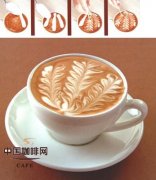
How to Pour a Perfect Heart-Shaped Cappuccino
Making a great cup of coffee isn’t just about the beans — it’s also about the artistry. Many coffee lovers admire those elegant heart shapes on top of cappuccinos but have no idea how they’re done. If you’ve ever wondered how baristas form that perfect heart in the foam, here’s how it works, step by step.
To pour a heart-shaped cappuccino, start with 30ml of espresso and 330ml of steamed milk. The key steps involve tilting the cup, rhythmically shaking the milk jug, and finishing with a quick cut to shape the heart — all done using the free pour (direct pour) method.
What Is a Love Cappuccino?
Also known as a (xīn xíng kǎ bù jī nuò) in Chinese, a “Love Cappuccino” is a classic latte art design featuring a symmetrical heart shape formed entirely by pouring steamed milk into a shot of espresso. It’s a staple in coffee shops and a common goal for home baristas learning latte art.
The Recipe Breakdown
This design uses a standard cappuccino ratio: approximately 30ml of espresso and around 330ml of milk foam. That’s roughly a 1:11 coffee-to-milk ratio, typical for traditional cappuccinos. The foam is poured directly into the espresso using the free pour technique — no etching or tools involved.
Who Created This Technique?
This particular heart-shaped design was demonstrated by Taiwanese barista Lin Dongyuan , founder of GABEE, a well-known coffee training institute based in Taiwan. His method has become a widely referenced standard for free-pour heart latte art.
Step-by-Step: Pouring the Heart
Here’s how the heart comes to life in the cup:
- Step 1 – Initial Pour and Tilt: When the cup is about 70% full from the espresso and milk pour, pull the milk jug back towards the edge of the cup and tilt the cup slightly.

- Step 2 – Begin the Shake: Lower the jug and start gently shaking it side to side in place. This motion creates the initial wave-like lines that form the base of the heart shape.
- Step 3 – Expand the Pattern: Keep shaking to push the pattern outward in a ripple or water-wave effect, forming the wider top curves of the heart.
- Step 4 – Straighten the Cup: Slowly bring the cup back to an upright position. Continue pouring until the cup is about 90% full, then hold the jug steady to create an intentional gap or ‘notch’ at the bottom of the heart shape.
- Step 5 – Move Forward: Push the jug slightly forward, which pulls and adjusts the lines of the pattern to refine the shape.
- Step 6 – Final Cut: Quickly retract the jug to form the pointed tail of the heart, completing the iconic shape.

Why the Tilt and Shake Matter
The slight tilt of the cup helps direct the milk flow into the right area for symmetry. The shaking motion from the wrist — not the arm — is what generates the rippled lines that eventually form the curves of the heart. Timing and control determine whether you get a messy blob or a crisp heart.
Common Mistakes to Avoid
- Pouring too fast or too slow can wash out the design or make it disjointed.
- Not tilting the cup properly leads to asymmetry.
- Jug movement that is too jerky or uneven results in broken lines instead of a smooth heart.
- Stopping the pour too early or too late ruins the final shape.
Frequently Asked Questions
What type of milk is best for heart latte art?
Whole milk is ideal because its higher fat and protein content creates stable microfoam that holds shape well. You can use skim or oat milk, but they require more precision due to differences in texture and stability.
Do I need a special espresso machine to pour hearts?
No special machine is required. Any espresso machine that produces a stable shot with good crema will work. The key factors are good milk frothing and pouring technique, not the equipment itself.
How much milk is used in a heart cappuccino?
The recipe uses approximately 330ml of steamed milk (including microfoam) along with 30ml of espresso. That’s enough to fill a standard cappuccino cup to the top with a layered espresso and foam structure.
Can I practice this without an espresso machine?
You can practice the pouring motion with just hot water and foam, but the heart shape relies on the contrast and layering of espresso and milk foam. Without espresso, you won't get the true visual effect, though you can simulate the technique.
What grind size is used for the espresso in this drink?
The article does not specify the grind size, but a standard espresso grind (fine, around 1:2 extraction ratio at ~92–94°C) is required to produce the 30ml shot used as the base for the cappuccino.
Recommended FrontStreet Coffee Blends for Cappuccino
For crafting a classic heart-shaped cappuccino, FrontStreet Coffee’s Classic Blend offers rich crema and a balanced body, making it ideal for latte art. Its smooth profile highlights the milk while maintaining a solid espresso foundation. Alternatively, the Black Cocoa Blend provides a deeper tone with chocolatey notes, complementing the milk foam in a cappuccino. Both blends are designed for consistency and texture, crucial for milk drinks. Freshly roasted within 5 days · Orders placed before 17:00 ship the same day · Next-day delivery across most of Guangdong Province.
FrontStreet Coffee is a long-established specialty coffee roaster in Guangzhou China, selling freshly roasted beans from its own farm in Yunnan as well as dozens of carefully selected single-origin beans from around the world for both pour-over and espresso. The products deliver consistently excellent quality and great value, with shipping within 24 hours. Guangzhou's FrontStreet Coffee shop is recommended by many coffee lovers, and the beans are now available online at the Tmall 。
Important Notice :
前街咖啡 FrontStreet Coffee has moved to new addredd:
FrontStreet Coffee Address: 315,Donghua East Road,GuangZhou
Tel:020 38364473