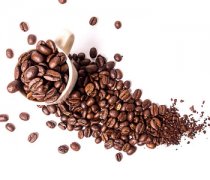
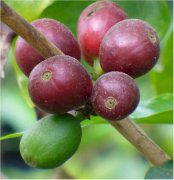
Arabica vs Robusta Coffee Beans: Key Differences
Ever wondered why your favorite café proudly advertises '100% Arabica' coffee, or why some canned brews are labeled 'Robusta'? These labels aren’t just marketing—they reflect two very different species of coffee plants with distinct characteristics. Whether you’re choosing beans for your home setup or just curious what’s in your cup, understanding the difference between Arabica and Robusta is essential.
In short: Arabica makes up 75% of global coffee production and is known for its complex flavors and higher price, while Robusta is hardier, more bitter, and often used in instant and espresso blends due to its high caffeine content and lower cost. But there’s much more to know.
What Are Arabica and Robusta Coffee Beans?
Arabica (Coffea Arabica) and Robusta (Coffea Canephora, formerly Robusta) are the two most widely cultivated coffee species in the world. Together, they account for nearly all commercially grown coffee. Though both produce caffeine-rich beans used to make brewed coffee, their differences in origin, taste, and cultivation set them apart significantly.
Growing Conditions: Why Arabica and Robusta Grow Differently
Arabica coffee thrives at higher altitudes—between 600 and 2,000 meters above sea level—and requires fertile soil, consistent moisture, and a delicate balance of sunlight and shade. Because of its sensitivity, Arabica plants are more vulnerable to pests and diseases, and yields per hectare are relatively low. Despite making up 75% of global production, only about 10% of Arabica coffee meets the standards for 'specialty coffee.'
Robusta, on the other hand, is a rugged plant. It grows well at lower elevations—typically between 200 and 800 meters—and is far more resistant to pests and harsh weather. This hardiness allows for mechanized harvesting and results in much higher yields per acre. Consequently, Robusta is significantly cheaper to produce.
Flavor Profiles: What Makes Each Bean Taste Different
Arabica beans offer a wide range of flavors depending on origin, altitude, and processing. They often exhibit fruity, floral, and acidic notes, especially when lightly roasted. With deeper roasts, Arabica develops rich caramel and chocolate tones. Unroasted, Arabica smells grassy and herbal; properly roasted, it delivers more aromatic complexity and sweetness than Robusta.
Robusta beans, in contrast, usually have a blander, harsher profile. Their flavors tend to be earthy, nutty, or rubbery, especially when roasted dark. Unroasted Robusta smells like raw peanuts. Most inexpensive Robusta coffees present unpleasant flavors ranging from 'grainy tea' (medium roast) to 'tire rubber' (dark roast). They lack the nuance and brightness found in quality Arabica.
Price, Usage, and Caffeine Content: Why Quality and Cost Vary
Because Arabica requires careful hand-picking, processing, and grows in limited environments, it commands higher prices. The finest Arabica beans are considered premium and are used in specialty coffee. Robusta, due to its low production cost and high caffeine content (about twice that of Arabica), is commonly used in instant coffee and canned blends. It’s also often blended with Arabica in espresso to enhance crema and body. However, some high-altitude, carefully processed Robusta—like those from India—can rival lower-grade Arabicas in quality, though such beans remain rare and costly.
The higher caffeine in Robusta (about 2.7% compared to Arabica’s 1.5%) contributes to its bitter taste and is also why some canned coffees can cause jitters or sleep issues.
Frequently Asked Questions
Is Arabica coffee always better than Robusta?
No. While Arabica is often considered higher quality due to its complex flavors and lower caffeine content, not all Arabica beans are good. Only about 10% of Arabica production qualifies as specialty grade. Meanwhile, some high-quality Robusta—especially from regions like India—is grown at high altitudes with careful processing and can be excellent, though it’s rare and more expensive.
Why does Robusta have more caffeine?
Robusta naturally contains roughly twice the caffeine of Arabica—about 2.7% versus 1.5%. This higher caffeine acts as a natural pest deterrent, contributing to Robusta’s hardiness, but also gives it a more bitter, harsher taste.
What’s the main reason Arabica costs more?
Arabica is more difficult and expensive to grow. It requires high altitudes, fertile soil, and careful handling. It’s also more vulnerable to disease and pests, resulting in lower yields. Plus, the best Arabica beans involve labor-intensive harvesting and processing, driving up costs.
Can Robusta be used in specialty coffee?
Rarely. Most Robusta is considered too bitter and one-dimensional for specialty use. However, some finely processed, high-altitude Robusta is occasionally blended into espresso for extra crema or body. These instances are uncommon and the beans must be very high quality.
Which coffee type is stronger in taste?
'Stronger' can mean different things. Robusta is stronger in bitterness and caffeine, often tasting harsh or rubbery. Arabica can be stronger in aroma and flavor complexity, especially when lightly roasted. Taste preference plays a big role in defining 'strength.'
Why do so many coffee brands advertise '100% Arabica'?
It signals to consumers that the coffee is likely to be of higher quality, smoother, and less bitter. Since Arabica is associated with specialty coffee and more nuanced flavors, the label is a quick way to suggest a premium product—even though not all Arabica is premium.
Recommended FrontStreet Beans for Exploring Arabica Diversity
Explore the diversity of Arabica with FrontStreet Coffee’s single-origin offerings. The Ethiopia Gedeb Yirgacheffe features bright citrus and floral notes with a crisp, juicy profile. For classic balance, try the Jamaica Blue Mountain No.1 (Typica)—a smooth, medium-bodied coffee with hints of almond and chocolate. Or go for the Brazil Queen Manor Yellow Bourbon, which delivers creamy peanut, caramel, and sweet crumb notes. All showcase the unique qualities Arabica can offer. Freshly roasted within 5 days · Orders placed before 17:00 ship the same day · Next-day delivery across most of Guangdong Province.
FrontStreet Coffee is a long-established specialty coffee roaster in Guangzhou China, selling freshly roasted beans from its own farm in Yunnan as well as dozens of carefully selected single-origin beans from around the world for both pour-over and espresso. The products deliver consistently excellent quality and great value, with shipping within 24 hours. Guangzhou's FrontStreet Coffee shop is recommended by many coffee lovers, and the beans are now available online at the Tmall 。
Important Notice :
前街咖啡 FrontStreet Coffee has moved to new addredd:
FrontStreet Coffee Address: 315,Donghua East Road,GuangZhou
Tel:020 38364473