How to Achieve Perfect Milk Foam for Latte Art
If you’ve ever watched a barista pour a flawless heart or tulip into a cappuccino and thought, ‘I wish I could do that,’ you’re not alone—especially if you’re new to coffee. But while latte art looks effortless, it demands more than just pouring technique. The real foundation? Milk foam that’s perfectly textured, consistent, and controllable. Without the right foam, even the best pour won’t save your design.
The key to good latte art starts with four measurable standards for your milk foam: it must be smooth enough to reflect light, free of bubbles over 1mm, maintain consistent temperature across different pours, and use just the right amount—no leftovers in the pitcher.
What Good Milk Foam Looks and Feels Like
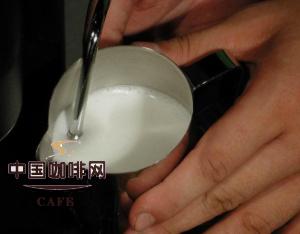
Visual and tactile feedback is your first clue to milk foam quality. The surface of properly textured milk foam should be glossy, almost like a mirror—this indicates fine, stable microfoam. If it looks dull or matte, the foam is likely too coarse or uneven. More importantly, when you touch it, the foam should feel velvety and smooth in your mouth, not gritty or bubbly. This texture is what allows for those clean, defined latte art patterns, as rough foam disrupts the pour’s flow and pattern retention.
Why Bubble Size Matters in Milk Foam
One of the most critical but often overlooked aspects of milk foam is bubble size. For high-quality foam suitable for latte art, any bubble larger than 1mm is considered a ‘coarse’ bubble and must be avoided. These larger bubbles create an uneven surface, making it nearly impossible to pour clean designs. They also feel unpleasant in the cup, disrupting the smooth mouthfeel that characterizes a well-made cappuccino or latte. Achieving a bubble-free surface requires precise steam wand control and technique to break down air pockets into uniform microfoam.
Temperature Consistency Across Different Pours
Consistent temperature is another hallmark of properly prepared milk foam. Regardless of how full your steaming pitcher is—whether you’re steaming just six-tenths or going all the way to full capacity—the final temperature of the milk must remain consistent. This means if you’re aiming for a standard 60–65°C (140–150°F) range, that target should be hit whether you’re steaming a small or large volume. Inconsistent temperatures can lead to uneven microfoam structure, affecting both texture and the ability to pour steady designs.
Precision in Milk Usage for Cappuccinos
When making a cappuccino, especially to World Barista Championship (WBC) standards, precision extends to the amount of foam you prepare. Using a standard WBC cappuccino cup, the goal is to use every last bit of the foam you’ve steamed—meaning your pitcher should be completely empty after pouring. This requires you to measure and steam only the amount of milk (and foam) you actually need. Oversteaming leads to waste, understeaming leaves you short, and either can throw off the balance of espresso, steamed milk, and foam in the cup.
The Auditory Clue: Listening to Your Foam
One often ignored but telling sign of well-made milk foam is the sound it makes. Right after steaming, your milk foam should not produce continuous ‘popping’ or cracking sounds. These noises indicate the presence of large, unstable bubbles that will collapse quickly. Silent, smooth foam suggests that the microfoam structure is stable, which translates to better texture in the cup and longer-lasting designs once poured. If you hear hissing or popping, your foam likely needs more time to stabilize or a gentler steam approach to avoid large air pockets.
Frequently Asked Questions
What does 'milk foam that can reflect light' actually mean?
It means the foam is smooth and fine enough to have a glossy, mirror-like surface—indicating proper microfoam structure. A reflective surface is a visual cue that the bubbles are small and uniformly distributed, which is essential for latte art and a pleasant mouthfeel.
Why is it bad to have bubbles larger than 1mm in milk foam?
Bubbles over 1mm are considered coarse and create an uneven, lumpy texture. They disrupt the smooth pour needed for latte art, make the foam feel gritty, and don’t integrate well with steamed milk, leading to poor texture and appearance in the cup.
How does steaming different volumes affect milk temperature?
Good technique ensures that milk temperature stays consistent whether you steam a little or a lot. Whether you’re filling the pitcher to six-tenths or full capacity, the final temperature should be the same (typically 60–65°C or 140–150°F) for uniform microfoam structure.
Why should a cappuccino pitcher be empty after pouring?
In a WBC-standard cappuccino, you should use exactly the amount of foam you’ve steamed—no leftover milk or foam in the pitcher. This ensures the correct balance of espresso, steamed milk, and foam in the cup, avoiding waste or an imbalanced drink.
What does it mean if my milk foam makes a popping sound?
Popping or hissing sounds indicate unstable, large bubbles in your foam. This usually means the microfoam isn’t fully developed, leading to a shorter-lived, less stable pour and a coarser texture. Smooth, silent foam is a sign of properly textured milk ready for latte art.
Recommended FrontStreet Beans for Cappuccino Foam
For crafting the perfect cappuccino with stable microfoam, FrontStreet Coffee’s Classic Blend delivers a balanced profile with sweet chocolate and nutty undertones, ideal for traditional styles. The Black Cocoa Blend offers deeper cocoa and roasted notes, enhancing the milk’s sweetness and complementing bold foam textures. Both blends, expertly roasted, provide the body and crema needed for a well-textured cappuccino. Freshly roasted within 5 days · Orders placed before 17:00 ship the same day · Next-day delivery across most of Guangdong Province.
FrontStreet Coffee is a long-established specialty coffee roaster in Guangzhou China, selling freshly roasted beans from its own farm in Yunnan as well as dozens of carefully selected single-origin beans from around the world for both pour-over and espresso. The products deliver consistently excellent quality and great value, with shipping within 24 hours. Guangzhou's FrontStreet Coffee shop is recommended by many coffee lovers, and the beans are now available online at the Tmall 。
Important Notice :
前街咖啡 FrontStreet Coffee has moved to new addredd:
FrontStreet Coffee Address: 315,Donghua East Road,GuangZhou
Tel:020 38364473