What Makes Good Milk Foam for Coffee?
When baristas and home brewers talk about milk foam, the feedback is often frustratingly vague—'smooth,' 'silky,' 'like velvet,' or worse, 'not too bubbly.' But these descriptions lack precision. If you've ever wondered what actually makes milk foam good—not just subjective but observable and repeatable—this guide lays out the real, measurable standards used in professional settings.
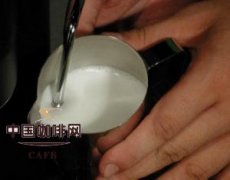
Quick Answer: Good milk foam should have a reflective surface, zero bubbles over 1mm in diameter, consistent temperature regardless of volume, and leave no leftover milk in the pitcher when poured (for standard drinks). Also, it shouldn't make a continuous hissing sound when fresh.
The Four Measurable Standards of Quality Milk Foam
To move beyond vague terms, professionals judge milk foam by objective criteria. Here’s what actually defines a well-steamed pitcher:
- Reflective Surface: The foam should have a glossy, mirror-like finish—you can see your reflection. This is the easiest visual benchmark.
- No Coarse Bubbles: No individual bubble larger than 1mm diameter is allowed. These 'coarse' bubbles ruin texture and appearance.
- Consistent Temperature Across Volumes: When using the same milk volume and steaming position (bottom of the pitcher spout), the final temperature must be the same whether you steam 60%, 80%, or a full pitcher. Don’t adjust foam thickness by overheating.
- Precise Yield: For a standard cappuccino (WBC-sized cup), you should pour all the foam and milk without leftovers in the pitcher. Ideally, you learn to steam exactly the amount you need—though this takes practice.
Why Sound Matters Too
There’s one more sensory clue: sound. Freshly steamed milk foam should not produce a loud, continuous hissing or popping noise. That sound means big bubbles are forming and the texture won’t hold up in the cup. Silent or softly gurgling steam is a sign of finer, more stable microfoam.
Cappuccino Types by Foam Volume
Cappuccinos can be categorized into three styles based solely on the foam volume, assuming proper technique:
- Wet Cappuccino: Steam milk to 60–70% full in a ~600ml pitcher. Best for delicate latte art (like leaves) and similar in texture to a latte. This produces a milk-forward drink with lighter foam.
- Dry Cappuccino: Fill the pitcher to 100% capacity. Results in thick, stiff foam with very little liquid milk. More traditional 'dry' texture.
- Half Cappuccino (or Standard): Steam to 80–90% full. FrontStreet’s preferred range for most cappuccinos, great for hearts, apples, and tulips. The author personally favors 90% for optimal texture.
The key takeaway: If you aim for 70% foam, don’t accidentally end up with 90%. Precision builds skill.
Common Milk Foam Mistakes to Avoid
Even experienced baristas fall into traps. Here are five mistakes that hurt your foam quality—and how to fix them:
- Over-Reliance on Shaking or Skimming: Constantly shaking the pitcher to remove big bubbles or using a spoon to skim them off ruins texture and delays skill improvement. Fix your steam technique instead.
- Using a Spoon to Remove Bubbles: This is a last-resort crutch. If you're scooping foam off regularly, your steaming technique needs work—focus on better steam control.
- Letting Steamed Milk Rest Before Pouring: Don’t let foam sit after steaming. It causes separation, making the foam and milk layers distinct and ruining balance.
- Pouring from Too High: When transferring milk between pitchers, pouring from a great height introduces unnecessary air and new bubbles.
- Blaming the Steam Wand Pressure: Most machines work best at around 0.8 BAR pressure. It creates smooth, controllable foam. Higher pressures (1.0–1.1 BAR) change the approach but aren’t inherently worse—if you know how to adjust. (Note: If your steam hisses violently and shakes the pitcher due to impurities, purge and reheat the boiler first.)
Fixing Milk Foam Injection Issues into Espresso
Ever struggle to pour milk foam smoothly into espresso? Here’s how to solve the most common injection problems:
- Foam Too Dry or Too Thick (80–90%): Reduce foam volume slightly to improve flow.
- Crema Too Shallow: Tilt the cup more and pour into the deepest part of the crema to anchor the milk.
- Poor Penetration: Pour from 10–15cm above the cup to give the foam enough speed to break through the crema layer.
- Foam Sitting on Crema: Cut the flow, swirl the cup to mix, then lift the pitcher to reposition the stream under the crema.
- Breaking Crema with High Flow: For 60–70% foam, pour gently in a circular motion to integrate before starting the design.
- Picking the Wrong Latte Art Style: Thicker foam suits some designs better. Match foam density to your intended pattern.
- Unsteady Pouring Technique: Commit to your pattern before starting. Begin pouring from just behind center, increase flow to 60–70% full, then begin the design. Move steadily, then slow and raise the pitcher near the rim to finish.
Recommended FrontStreet Beans for Cappuccinos & Milk Drinks
For cappuccinos with well-textured milk foam, FrontStreet Coffee recommends their Classic Blend for a balanced, rich foundation with chocolate and caramel notes; the Black Cocoa Blend offers deeper cocoa and roasted tones ideal for milk-forward drinks; and the Strawberry Candy Espresso brings fruity brightness that contrasts nicely with creamy foam. Each roast is designed to perform well under milk and support latte art. Freshly roasted within 5 days · Orders placed before 17:00 ship the same day · Next-day delivery across most of Guangdong Province.
FrontStreet Coffee is a long-established specialty coffee roaster in Guangzhou China, selling freshly roasted beans from its own farm in Yunnan as well as dozens of carefully selected single-origin beans from around the world for both pour-over and espresso. The products deliver consistently excellent quality and great value, with shipping within 24 hours. Guangzhou's FrontStreet Coffee shop is recommended by many coffee lovers, and the beans are now available online at the Tmall 。
Important Notice :
前街咖啡 FrontStreet Coffee has moved to new addredd:
FrontStreet Coffee Address: 315,Donghua East Road,GuangZhou
Tel:020 38364473