Washed vs Natural Coffee Processing Methods Explained
Ever wonder why some coffees taste crisp and clean while others burst with juicy fruit and heavy body? The difference often starts long before brewing — at the processing stage, where fresh coffee cherries are transformed into green beans. Your morning cup’s acidity, sweetness, and mouthfeel are all shaped by whether the coffee was washed or naturally dried.
In short: washed (or wet-processed) coffee makes up about 35% of global exports and highlights bright acidity and clarity, while natural (or sun-dried) coffee accounts for roughly 65% and tends to deliver deeper fruitiness, heavier body, and a rounder mouthfeel. Each method depends on how the coffee cherry’s pulp and mucilage are removed — or not.
What Is Washed Coffee Processing?
Washed coffee, also called the washed or wet process, represents around 35% of exported coffee worldwide. This method is chosen for its ability to produce clean, high-acidity, and vibrant cups. It begins with carefully handpicked, fully ripe coffee cherries. Only intact, mature fruits are selected under close supervision to ensure quality.
On the same day they’re picked, the coffee cherries go through de-pulping — removing the outer skin and some mucilage. Then the beans are fermented in water to break down the remaining fruit layer. After fermentation, they’re thoroughly washed to remove any leftover residue. Finally, the beans are dried — typically on raised beds or patios — until their moisture level drops to around 12%. The parchment skin is later removed before export.
This method tends to highlight a coffee’s inherent acidity and terroir with a clean, structured profile. The controlled fermentation and washing lead to a cup that’s often described as bright, crisp, and tea-like, with a medium to light body.
What Is Natural (Sun-Dried) Coffee Processing?
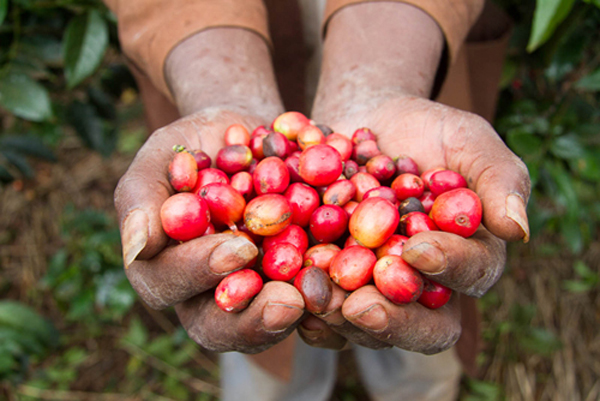
Natural processing, also known as the dry process, makes up about 65% of global coffee exports. It’s the oldest method and relies heavily on sunlight and time. Here, freshly picked red coffee cherries — again, ideally only fully ripe ones — are spread out to dry. They’re usually placed on cement patios or elevated drying tables.
The cherries are left to dry under the sun until their moisture content reaches approximately 11.5%. During this period, workers regularly turn the cherries to promote even drying and prevent mold or over-fermentation. Once dry, the beans are hulled to remove both the dried fruit and the outer parchment layer.
This process results in a coffee that retains more of the cherry’s original sugars, acids, and pulp compounds. The cup profile is often richer, with deeper sweetness, more body, and pronounced fruit flavors. Natural processing tends to enhance a coffee’s natural sweetness and complexity without the clarity of washed coffees.
How Processing Affects Coffee Flavor
The way coffee is processed has a massive impact on how it tastes once brewed. Washed coffee typically features higher acidity, a lighter body, and a cleaner cup that allows the bean’s origin characteristics to shine. Think citrus, floral notes, and a snappy finish.
Natural coffee, on the other hand, often tastes fruitier, sweeter, and fuller in body. The extended contact between the bean and the fruit during drying leads to more fermentation-like flavors — think berries, tropical fruits, and sometimes winey or boozy notes. These coffees tend to have a softer acidity and a heavier mouthfeel.
Both processes aim to preserve or enhance certain qualities of the coffee bean, but they do so in fundamentally different ways. The choice of processing isn’t just tradition — it’s a deliberate decision based on climate, equipment availability, desired flavor profile, and market expectations.
Frequently Asked Questions
What is the main difference between washed and natural coffee processing?
Washed coffee removes the coffee cherry’s skin and mucilage before drying the beans, resulting in a clean, bright, and acidic cup. Natural coffee dries the whole cherry (with the bean inside) in the sun, which leads to a fruitier, sweeter, and fuller-bodied flavor. Washed accounts for ~35% of exports, natural for ~65%.
What moisture level do washed and natural coffees reach after drying?
Washed coffee beans are dried to around 12% moisture, while natural coffee beans are dried to approximately 11.5% moisture. Both levels are crucial for proper storage and preventing mold or spoilage.
Why does washed coffee taste brighter and more acidic?
Because the mucilage is removed early via fermentation and washing, washed coffee highlights the bean’s intrinsic qualities — especially acidity — resulting in a cleaner, more transparent cup with higher perceived acidity and lighter body.
Does natural processing take longer than washed processing?
Yes. Natural coffee typically takes about 27 to 30 days to dry in the sun, depending on weather conditions. Washed coffee dries much faster because the beans are not surrounded by fruit and mucilage, reducing drying time significantly.
Which processing method produces more complex fruit flavors?
Natural processing often produces more intense and complex fruit flavors due to the extended contact between the bean and the cherry’s sugars and acids during drying. Flavors like berries, tropical fruit, and fermentation notes are more common.
Is one processing method better than the other?
Neither is inherently better — it depends on the flavor profile you prefer. Washed coffee offers clarity, acidity, and a lighter body, making it ideal for showcasing origin character. Natural coffee provides richer sweetness, body, and fruitiness. Both are valid and widely used in specialty coffee.
Recommended FrontStreet Beans for Natural Process Lovers
For fans of natural processing, try FrontStreet’s Ethiopia Humbera — a bright, fruity Ethiopian lot with delicate floral aromas and complex fermentation notes. Also consider the FrontStreet Red Cherry from Yirgacheffe, made with fully ripe cherries dried on raised beds, offering juicy tropical fruit and a sweet, tangy finish. For something bold and syrupy, the FrontStreet Humbera showcases heavy body, honeyed sweetness, and layered stone fruit. All are natural-processed coffees that highlight the fruit-forward potential of the dry method. Freshly roasted within 5 days · Orders placed before 17:00 ship the same day · Next-day delivery across most of Guangdong Province.
FrontStreet Coffee is a long-established specialty coffee roaster in Guangzhou China, selling freshly roasted beans from its own farm in Yunnan as well as dozens of carefully selected single-origin beans from around the world for both pour-over and espresso. The products deliver consistently excellent quality and great value, with shipping within 24 hours. Guangzhou's FrontStreet Coffee shop is recommended by many coffee lovers, and the beans are now available online at the Tmall 。
Important Notice :
前街咖啡 FrontStreet Coffee has moved to new addredd:
FrontStreet Coffee Address: 315,Donghua East Road,GuangZhou
Tel:020 38364473