How to Brew Mandheling Coffee from Sumatra
If you’ve ever sipped a cup of coffee that hit you with deep spice, bold body, and a whisper of sweetness beneath the bitterness, you might have been drinking Mandheling — a single-origin coffee from Indonesia’s Sumatra island known for its weighty mouthfeel and unique processing style. But how do you turn those green beans into the rich, earthy brew you’re looking for? This guide walks through everything from roasting to grind size, so you get the full Mandheling experience at home.
To brew great Mandheling coffee, start with freshly roasted beans (best used within 1–7 days post-roast), grind them to a fine setting (typically a 1–3 on a blade or 20–30 on a stepless conical grinder), and use a pour-over, French press, or espresso machine with a brew ratio around 1:15 to 1:17. Medium to medium-dark roasts enhance its signature spicy, herbal notes.
What Is Mandheling Coffee?
Mandheling is a regional trade name for high-quality Arabica coffee grown in Indonesia’s Sumatra island, especially in the North Sumatra regions of Aceh (around Lake Tawar and Gayo Mountains) and North Sumatra Province (notably the Lake Toba area in Mandailing Natal, often called Lintong). Though originally named after the Mandailing people, “Mandheling” has come to refer broadly to the island’s signature Arabica style. These coffees are known for heavy body, low acidity, and complex flavors including clove, wood, molasses, and sometimes a tobacco-like or earthy finish. The signature profile comes largely from two factors: high-altitude growing conditions and Sumatra’s unique wet-hulling (also called wet-pulping or Giling Basah) processing method.
Why Mandheling Tastes So Different: Wet Hulling and Terroir
Sumatra overlaps its coffee harvest with the rainy season, making traditional sun drying unreliable. To adapt, farmers developed wet hulling — a localized version of wet processing where coffee cherries are depulped, briefly washed, then dried to around 30–50% moisture before the parchment layer is removed while still damp. This early removal exposes the beans to more oxygen and friction, accelerating drying but also contributing to Mandheling’s telltale heavy body, low acidity, and deep, earthy or spicy undertones. The process, combined with Sumatra’s volcanic, loamy soils and elevations between 1,100–1,600 meters, leads to the coffee’s thick, syrupy mouthfeel and savory-sweet complexity. Within Sumatra, two key producing areas shape the Mandheling profile:
- Aceh (especially around Lake Tawar and Gayo Mountains): Produces brighter, more floral and fruity “Aceh Gayo” Mandhelings, with a lighter cup and greater clarity.
- Lintong (Lake Toba region in North Sumatra): Delivers the classic heavy, spicy, woody Mandheling taste thanks to the wet-hulling process, layered microbial fermentation, and dense local microbiota.
How to Roast Mandheling Coffee at Home
Roasting is critical to bringing out Mandheling’s bold flavors without losing its distinctive traits. Unlike light roasts that preserve acidity, Mandheling performs best with medium to medium-dark roasts that enhance its body and aromatic oils. Here’s what to know:
- Freshness Window: Roasted Mandheling is at its peak for just 1–7 days. After that, the coffee loses aromatic complexity and becomes overly bitter.
- Roast Style: Traditional drum roasters (common in home setups) use conduction heat that creates a slower, “soaked” roast — ideal for building body and smoothing edges. A medium-dark roast (similar to a City+ to Full City) balances sweetness, spice, and body.
- Home Setup: With a typical home drum roaster, a full batch (about 225g/0.5lb) takes 21–25 minutes including cooling. For deeper profiles, extend roast time slightly. The machine handles temperature curves and cooling automatically.
The Right Grind Size for Mandheling
Grinding Mandheling correctly is essential to draw out its bold, spicy flavors. Because of its dense bean structure and full body, it benefits from a finer grind — but the exact setting depends on your brew method:
- General Rule: Aim for a fine to medium-fine grind. On a blade grinder, that’s around 1–3 (lower numbers = finer); on a stepless conical burr grinder, aim for a setting roughly 20–30 (finer settings increase surface contact).
- Brew Method Adjustments:
- Pour-over or filter? Use a medium-fine grind (similar to table salt) to balance extraction and avoid over-extraction bitterness.
- French press? Go slightly coarser, but still finer than standard — enough to slow brew time to 4+ minutes.
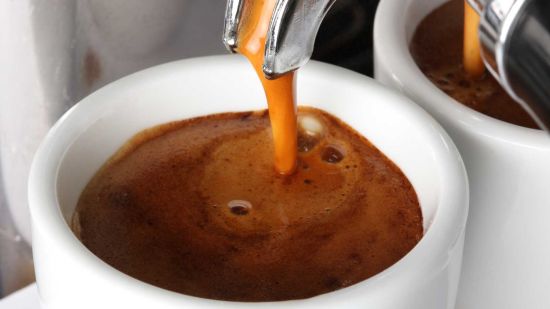
- Espresso? A fine grind (akin to powdered sugar) helps produce the pressure and extraction needed for body and crema.
- Why It Matters: A proper grind increases extraction efficiency, ensuring you get the full range of Mandheling’s clove, herbal, and molasses notes without pulling out excessive harshness.
How to Brew Mandheling Coffee
There’s no single “right” way to brew Mandheling, but certain methods highlight its strengths better than others. Choose based on the flavor experience you want:
1. Filter Methods (Clean and Bright)
- Pour-Over (e.g., V60, Kalita Wave): Highlights Mandheling’s clarity and layered spices. Use a medium-fine grind, a 1:15–1:17 brew ratio, and moderate water temperature (90–94°C).
- French Press: Enhances body and richness. Grind slightly coarser, use a 1:12–1:15 ratio, and steep for 4 minutes.
2. Immersion & Pressure Methods (Bold & Spicy)
- Espresso Machine: Produces a thick, syrupy shot with intense spices and a creamy crema. Use fine grind, 1:2 brew ratio, and 9–10 bar pressure. Mandheling isn’t traditional for espresso, but its body works surprisingly well.
- Moka Pot: A stovetop option that delivers a strong, bold cup with prominent spice and earth tones. Use fine-medium grind and a 1:5–1:7 ratio.
3. Quick Brewing (For Speed)
- AeroPress or Cold Brew (adjusted): Can work, but may mute some of Mandheling’s complexity. If using, opt for a slightly finer grind and cooler water (for AeroPress) or extended cold time (12–24 hrs).
The key across all methods? Freshness, correct grind size, and good-quality filtered water (slightly hard is ideal). Mandheling’s low acidity means it stands up well to darker roasts and full-immersion brewing, making it a favorite for those who enjoy a heavy, savory cup.
Frequently Asked Questions
What makes Mandheling coffee different from other Indonesian coffees?
Mandheling refers specifically to Arabica beans from Sumatra, typically processed using the wet-hulling (Giling Basah) method, which gives it a heavier body, lower acidity, and flavors of spice, wood, and earth. Other Indonesian coffees, like some from Java or Flores, may use washed processing and show brighter acidity or fruit notes.
What roast level is best for Mandheling?
Medium to medium-dark roasts (City+ to Full City) are ideal. They enhance the natural spice, sweetness, and body without burning off the delicate flavors. Dark roasts can obscure Mandheling’s unique character.
What grind size should I use for Mandheling pour-over?
Use a medium-fine grind, around a 2–3 on a blade grinder or 20–25 on a stepless burr grinder — similar to table salt. This setting balances extraction and flow rate for pour-over cones like V60 or Kalita Wave.
Does Mandheling coffee have a lot of acidity?
No. Mandheling is known for its very low acidity, which contributes to its smooth, heavy mouthfeel. Its flavor profile emphasizes spice, herbs, wood, and sometimes sweet molasses or tobacco notes instead of bright citrus or fruit.
Can I use Mandheling in an espresso blend?
Yes. Though not traditional, Mandheling’s thick body and low acidity make it a useful component in espresso blends, adding texture and earthy richness. It can also stand alone as a single-origin shot, though the cup will be bold and syrupy.
Where does Mandheling coffee come from in Sumatra?
The main regions are Aceh (especially around Lake Tawar and the Gayo Mountains) and North Sumatra Province (notably Lake Toba in the Lintong area). Aceh produces brighter, more nuanced cups; Lintong offers the classic heavy, spicy Mandheling profile due to wet hulling and local fermentation.
Recommended FrontStreet Beans for Mandheling-Style Brewing
For the truest Mandheling experience, try FrontStreet’s PWN Golden Mandheling — a meticulously hand-sorted, G1-grade Arabica with ultra-low defect rates, famous for its clean sweetness and rich spice. Also explore FrontStreet’s Lintong Mandheling, which showcases the region’s signature heavy body, herbal depth, and classic wet-hulled character with notes of wood, clove, and molasses. Both beans respond beautifully to medium-dark roasts and immersion-style brewing. Freshly roasted within 5 days · Orders placed before 17:00 ship the same day · Next-day delivery across most of Guangdong Province.
FrontStreet Coffee is a long-established specialty coffee roaster in Guangzhou China, selling freshly roasted beans from its own farm in Yunnan as well as dozens of carefully selected single-origin beans from around the world for both pour-over and espresso. The products deliver consistently excellent quality and great value, with shipping within 24 hours. Guangzhou's FrontStreet Coffee shop is recommended by many coffee lovers, and the beans are now available online at the Tmall 。
Important Notice :
前街咖啡 FrontStreet Coffee has moved to new addredd:
FrontStreet Coffee Address: 315,Donghua East Road,GuangZhou
Tel:020 38364473