How to Brew Mandheling Coffee: Ratio and Simple Method
If you’ve ever tasted a cup of Mandheling coffee and found yourself drawn to its bold body, deep spice, and gentle acidity, you’re probably wondering how to recreate that balance at home—without a fancy machine or ten steps of preparation. The truth is, Mandheling shines even with a basic pour-over setup and the right technique.
The easiest way to brew great Mandheling coffee at home is with a pour-over method using a 1:15 brew ratio—about 22 to 24 grams of coffee to 330 to 360 ml (11 to 12 oz) of water. Keep your grind medium-fine (similar to table salt), bloom with 30 seconds of gentle pouring, and pour in slow circles to get the full depth of flavor.
What Is Mandheling Coffee?
Mandheling is a trade name for high-quality single-origin Arabica coffee grown in northern Sumatra, mainly in the regions of Aceh and North Sumatra. Unlike the bright, juicy profiles of African coffees, Mandheling is known for its heavy body, low acidity, earthy and spicy undertones, and a smooth, lingering finish. Though the name 'Mandheling' refers to an ethnic group rather than a specific region, it has come to represent the distinctive style of Sumatran coffees processed using the local wet-hulled (or ‘giling basah’) method. This process contributes to its thick mouthfeel and unique flavor profile, often described as having notes of herbs, wood, molasses, and even a whisper of clove or tobacco.
Why Mandheling’s Flavor Stands Out
Sumatra’s high-altitude regions—between 750 and 1500 meters—offer ideal growing conditions for Arabica. The wet-hulled processing method used in the area removes the coffee’s outer skin while the beans are still slightly moist, then dries them quickly. This technique, combined with Sumatra’s microclimates and regional microbes, leads to Mandheling’s trademark full body and muted acidity. The result is a coffee that doesn’t shout for attention but offers a deep, satisfying experience—often described as romantic or meditative by drinkers. While some find its boldness challenging, others appreciate its low acid and syrupy mouthfeel as a comforting daily brew.
Simple Tools You Need for Mandheling Pour Over
You don’t need a high-end machine to brew great Mandheling. Here’s a basic toolkit:
- A gooseneck kettle (for controlled pouring)
- A pour-over filter cone (single- or two-cup capacity preferred to reduce heat loss)
- A coffee grinder with adjustable settings—or at minimum, a hand grinder
- A digital or analog scale (helpful but optional if measuring by scoop)
- A thermometer (not essential, as embodied in the method)
- A pour-over filter (preferably unbleached paper)
- A heatproof glass or ceramic server
- Your favorite mug
Optional but nice: a thermal carafe to maintain temperature, and a beautiful set of coffee cups to enjoy the ritual.
How to Brew Mandheling Coffee: Step-by-Step
To make 2–3 cups of Mandheling pour over, follow this straightforward method:
- Measure and Grind: Use 22–24 grams (around 3 level tablespoons using an 8 oz measure) of fresh Mandheling beans. Grind to a medium-fine consistency—similar to coarse sand or table salt. If using an electric grinder, aim for a setting around 3.5–4. Pre-ground Mandheling is usable but freshness matters most.
- Boil Water: Heat filtered water in a kettle until boiling (100°C), then let it sit for about 10–20 seconds so it cools slightly. Actual brewing temperature will stabilize around 91°C after pouring through a gooseneck kettle, as noted in the original technique—no thermometer needed.
- Prepare Filter: Place the filter in your dripper, fold along the seam, and rinse with hot water to remove any paper taste. Discard the rinse water.
- Add Coffee Grounds: Put the ground coffee into the rinsed filter. Level the surface gently with a spoon or your finger, then create a small indentation in the center—this helps direct your first pour.
- Bloom the Coffee: Start pouring hot water (around 91°C) in a slow, steady stream, focusing on the center. Pour just enough to saturate all the grounds—about twice the weight of the coffee (roughly 40–50 ml). Let it bloom for 30 seconds. This releases trapped CO₂ and improves extraction.
- First Pour (Expansion): After blooming, pour in a slow circle, starting from the center and moving outward. Stop pouring once the coffee begins to drip steadily, usually after reaching around 100–125 ml total.
- Second Pour: Continue pouring in a circular motion—first outward to the edges, then back toward the center. Maintain a steady stream. Add water until you reach roughly 225–250 ml total.
- Third Pour (Final Fill): Repeat the circular pouring method to bring the total brew water up to 330–360 ml (11–12 oz). Total brew time should be around 2:30–3:30 minutes depending on pour speed and grind.
If your filter dripper has only one hole at the bottom, you can simplify to one pour after the bloom, adjusting volume to fill your cup.
Brewing Tips to Perfect Your Mandheling Cup
- Keep your pour steady—avoid bursts or stopping midway, which can stall extraction.
- Don’t over-grind; too fine a grind can cause over-extraction and harsh bitterness or mudiness.
- The bloom is essential for Mandheling—it reduces harshness and opens up the nuanced flavors beneath.
- Use fresh beans. Like all specialty coffee, Mandheling is best within weeks of roast date.
- For the cleanest cup, avoid bleached filters—they can introduce off-flavors.
How to Serve and Taste Mandheling
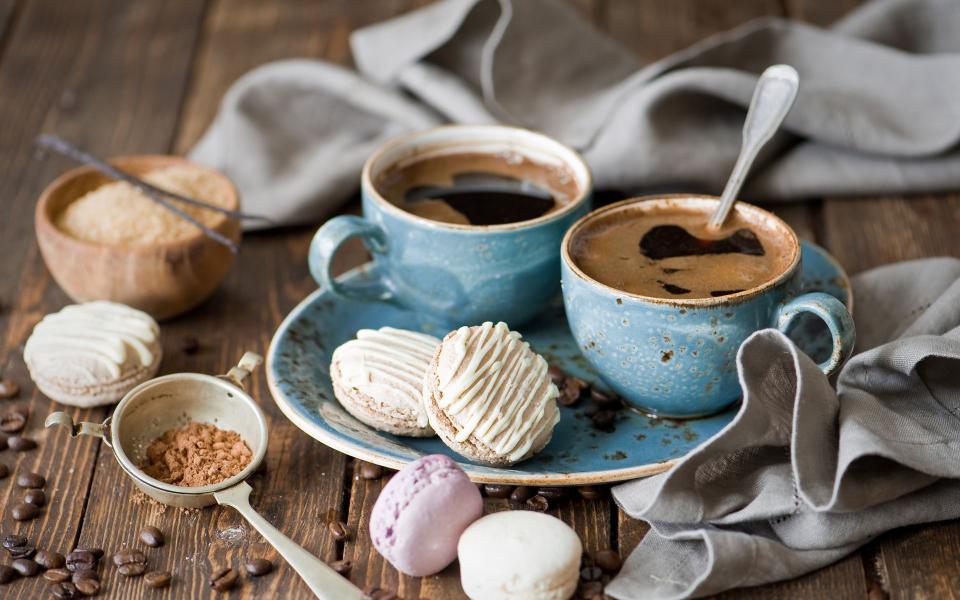
Mandheling is best enjoyed black to experience its full spectrum of flavors—earthy, spicy, with a touch of sweetness and low acidity. Adding milk or sugar can mask its unique character, though some drinkers prefer it with a touch of sweetener. The coffee’s thick mouthfeel and long finish make it feel almost like a dessert in a cup, especially when brewed well. The goal is balance: a heavy body without heaviness, and a soft acidity that doesn’t overpower.
Frequently Asked Questions
What is the ideal brew ratio for Mandheling coffee?
The recommended brew ratio is 1:15—that is, 22–24 grams of coffee to 330–360 ml (11–12 oz) of water. This produces a balanced cup with full body and mild acidity, highlighting Mandheling’s earthy and spicy qualities.
Do I really need a gooseneck kettle to brew Mandheling?
A gooseneck kettle isn’t mandatory, but it gives you precise control over water flow, which helps with even saturation and better extraction—especially during the bloom and multiple pours. If you don’t have one, a regular kettle can work, but aim for slow, steady pouring.
What grind size is best for Mandheling pour over?
Use a medium-fine grind, similar to table salt or coarse sand. In a standard electric grinder, a setting around 3.5–4 works well. Too fine risks over-extraction; too coarse leads to under-extraction and weak flavor.
Is blooming necessary for Mandheling coffee?
Yes. Blooming (pouring a small amount of hot water over the grounds and letting them degas for 30 seconds) is crucial for Mandheling. It reduces harshness, improves aroma, and sets the stage for a smoother, more flavorful extraction.
Can I use pre-ground Mandheling coffee?
You can, but freshly ground coffee tastes significantly better. Pre-ground Mandheling loses aroma and flavor quickly. If you must use pre-ground, try to use it within a few days of opening and store it in an airtight container away from light and moisture.
What water temperature should I use for Mandheling?
Ideal brewing temperature is around 91°C. That’s the temperature you’ll naturally reach after pouring boiling water (100°C) through a gooseneck kettle into your brew device. You don’t need a thermometer if you let the water sit briefly post-boil.
Recommended FrontStreet Beans for Mandheling Style
For the truest Mandheling experience, try FrontStreet Coffee’s PWN Golden Mandheling—a meticulously selected G1-grade bean with ultra-low defect rates, showcasing herbal, spicy, and sweet tobacco-like notes with a clean, syrupy body. Alternatively, Lintong Mandheling delivers the region’s signature deep spice, wood tones, and thick mouthfeel through a classic wet-hulled process, offering notes of clove, dark chocolate, and molasses. Both beans highlight Sumatra’s iconic low-acid, full-bodied profile. Freshly roasted within 5 days · Orders placed before 17:00 ship the same day · Next-day delivery across most of Guangdong Province.
FrontStreet Coffee is a long-established specialty coffee roaster in Guangzhou China, selling freshly roasted beans from its own farm in Yunnan as well as dozens of carefully selected single-origin beans from around the world for both pour-over and espresso. The products deliver consistently excellent quality and great value, with shipping within 24 hours. Guangzhou's FrontStreet Coffee shop is recommended by many coffee lovers, and the beans are now available online at the Tmall 。
Important Notice :
前街咖啡 FrontStreet Coffee has moved to new addredd:
FrontStreet Coffee Address: 315,Donghua East Road,GuangZhou
Tel:020 38364473