What Size Are Specialty Coffee Cups?
Ever ordered a cappuccino and noticed the foam barely fits in the cup? Or wondered why your espresso arrives in a tiny vessel while your latte comes in a giant mug? The size of your coffee cup isn’t just about style—it affects temperature, aroma, taste balance, and even how you enjoy your drink. Whether you’re brewing at home or ordering at a café, knowing what size cup goes with which coffee makes a difference.
Specialty coffee cups typically range from under 100ml for espressos and cappuccinos, around 200ml for americanos and black coffee, and 300ml or more for milk-based drinks like lattes and café au lait. That’s the quick guide—but there’s more to it.
Coffee Cup Sizes by Drink Type
Coffee cup dimensions aren’t arbitrary. Each size is chosen to complement the coffee style, concentration, and drinking experience. Here’s how it breaks down:
- Under 100cc (≈50–90ml): These tiny cups are built for strong, hot espresso-based drinks. A classic espresso usually comes in about 30–50ml cups—small, thick, and designed to preserve heat and aroma. A cappuccino, which includes steamed milk and foam, often uses a slightly larger cup, around 150–180ml, with a wide mouth to show off the foam.
- Around 200cc (≈180–220ml): This is the standard size for black coffee such as americano or filtered coffee. The extra space lets you add milk or sugar without spilling. It’s the most common cup size in homes and cafés for straightforward coffee drinking.
- Over 300cc (≈300–400ml+): Reserved for milky drinks like latte, mocha, and café au lait. The larger volume accommodates more milk and creates a milder, sweeter drink. In France, a large bowl-like cup called a bol (often 350ml+) is used for café crème or grand crème, meant to be sipped slowly over a morning.
Cup Materials: Ceramic vs Porcelain vs Bone China
The material of your cup affects heat retention, aroma release, and even how the coffee looks. Here’s what to know:
- Ceramic : Often thicker and heavier, good for bold, dark roasts. It retains some heat but isn’t as insulating as porcelain.
- Porcelain : More refined and commonly used for specialty coffee. It’s smoother, has moderate heat retention, and doesn’t overly interfere with the coffee’s aroma.
- Bone China : Made with 25% bone ash and 75% fine porcelain clay. It’s lightweight, durable, highly translucent, and has superior heat retention. Bone china keeps coffee warmer longer and enhances the drinking experience. To identify it: it looks slightly yellowish under light and makes a clear ringing sound when tapped. Wash by hand, avoid harsh detergents, and don’t shock it with sudden temperature changes (max dishwasher temp: 70°C; handwash max: 80°C).
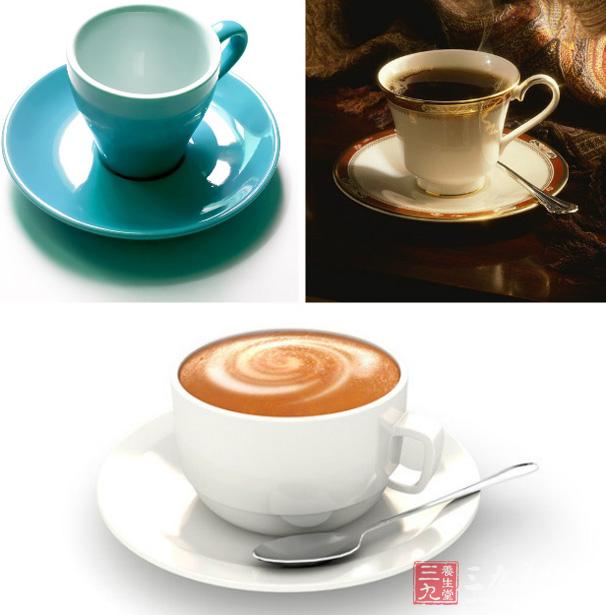
How Cup Shape & Color Affect Your Coffee
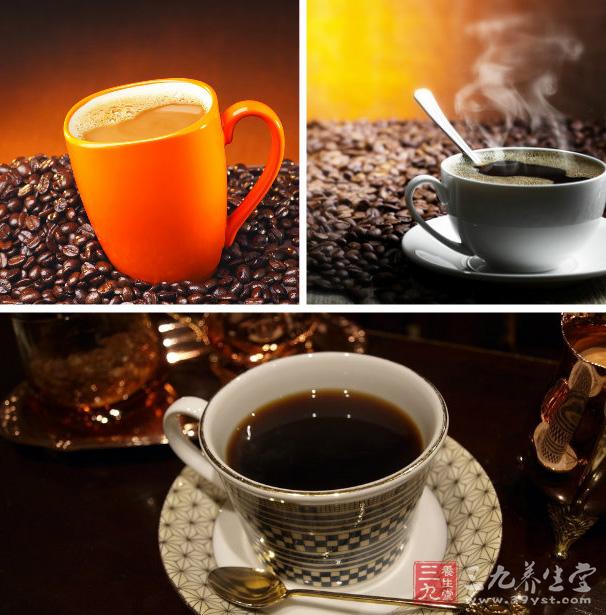
It’s not just the size—it’s also the shape and color that change how you perceive your coffee.
- Narrower rim, thicker body: Coffee cups are designed this way to concentrate aroma and reduce evaporation. A wide-open tea cup lets aroma escape and shows off tea clarity—but coffee needs enclosure to deliver its full sensory impact.
- White or light interiors: A white cup shows off the true amber tones of specialty coffee, making it easier to appreciate color clarity, crema, and extraction quality. Avoid cups with dark or patterned interiors—they mask the coffee’s appearance.
How to Choose the Right Coffee Cup
When shopping for coffee cups, match the cup to your drink and taste preference:
- Espresso & Ristretto: Use 50–100ml cups. The small size preserves temperature and intensity.
- Americano / Filter Coffee: Around 200ml gives room for milk or sweetener.
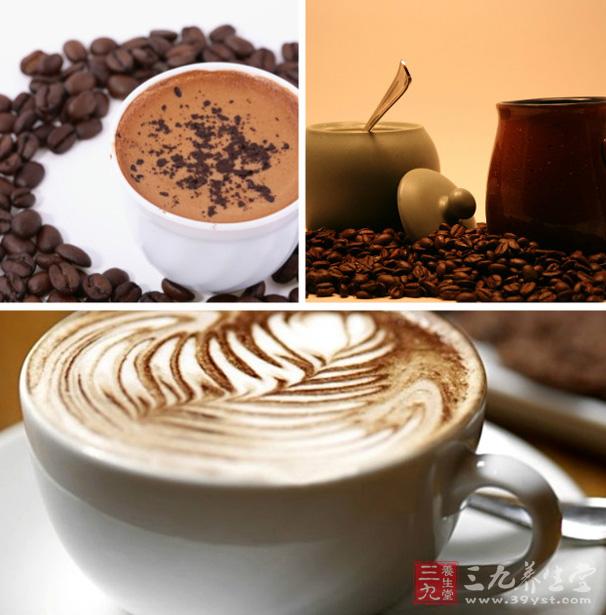
- Milk-Based Drinks (Latte, Cappuccino, Flat White): Go for 300ml or larger mugs or bowls. Especially for latte art, a wide, shallow cup helps with presentation.
- Flavored or Sweet Coffee: Larger cups help balance sweetness and milk.
Also consider the cup’s handle design. In the US, handles are usually on the right; in the UK and Japan, on the left—though this is more about tradition than function.
Cleaning and Maintenance
Good coffee cups resist staining, but over time, coffee oils can build up. Here’s how to clean them properly:
- Rinse immediately after use with water to prevent residue.
- For stubborn coffee stains, soak in lemon juice, then gently scrub with a soft sponge and neutral detergent.
- Avoid steel wool, hard brushes, or acidic/alkaline cleaners that damage glaze or create micro-scratches.
Coffee Cup Culture & Usage
Coffee cups also reflect social settings:
- In formal table settings, include 19–20cm dessert plates, cups, and saucers (6-person sets often have 23 pieces including teapots and creamers).
- For solo living, a basic set includes plates, coffee cups, and salad dishes—around 5 items for daily meals.
- Hand-painted cups offer unique designs, while mass-printed ones are more uniform. Blue-and-white patterns, inspired by 18th-century European interpretations of Chinese porcelain, remain iconic.
- Some coffee lovers engrave mugs with dates—like anniversaries—to turn drinkware into meaningful keepsakes.
Coffee Basics: Types, Benefits, and Cautions
Coffee isn’t just about the cup. Understanding what’s in your brew helps you enjoy it better—and avoid pitfalls.
The Good
- Contains nutrients like B vitamins, antioxidants, and polyphenols.
- Boosts metabolism, aids digestion, and may help with weight management.
- Helps combat fatigue, supports liver health, and may reduce risks of gallstones and Parkinson’s.
- Improves mood and cognitive alertness—at 300mg caffeine (about 3 cups), most people feel sharper.
- May protect against UV damage and support cardiovascular function.
The Bad
- Excess intake can cause anxiety, restlessness, and elevated blood pressure—especially in hypertensive individuals.
- High consumption is linked to bone density loss in those with low calcium intake, particularly postmenopausal women.
- Pregnant individuals, people with heart conditions, Vitamin B1 deficiency, or certain cancers should limit or avoid coffee.
Main compounds include caffeine (stimulant), tannins (can turn bitter if over-brewed), fats (key to aroma), sugars (natural sweetness), minerals (trace elements), and fiber (affects roast flavor).
Frequently Asked Questions
What is the standard size for a specialty coffee cup?
The typical specialty coffee cup holds around 200ml (≈7oz) for black coffee like americano or pour-over. For espresso, it’s usually 30–50ml, and for milk drinks like latte, 300ml or more is common.
Why are espresso cups so small?
Espresso cups are small—usually 30–50ml—to concentrate flavor, maintain high temperature, and preserve the crema. The compact size enhances the intense aroma and prevents the shot from cooling too quickly.
Does cup material affect coffee taste?
Yes. Bone china and porcelain retain heat well and don’t alter coffee aroma, making them ideal for specialty coffee. Ceramic cups are thicker and may emphasize bold flavors. Avoid colored interiors as they mask the coffee’s true color and clarity.
What’s the best cup for milk-based coffee drinks?
For lattes, cappuccinos, and flat whites, choose a 300–400ml cup or mug with a wide mouth. This accommodates milk foam and improves latte art. Bowls (350ml+) are traditional in some European cafés for leisurely drinking.
How do I clean coffee stains from my cup?
Rinse immediately after use. For tough stains, soak in lemon juice or wash with a neutral detergent and soft sponge. Avoid steel wool, bleach, or dishwashing at very high temperatures which can damage the cup surface.
Can the cup size change how my coffee tastes?
Absolutely. Smaller cups concentrate aroma and heat, ideal for espresso. Larger cups dilute strength but balance milk and sweetness. The wrong size can make a coffee taste either too intense or weak.
Recommended FrontStreet Beans for Milk and Espresso Drinks
For milk-based drinks like lattes and cappuccinos, try FrontStreet Coffee’s Classic Blend—a smooth, well-rounded espresso blend with rich body and notes of dark chocolate and caramel, perfect for creating creamy latte flavors. For a slightly sweeter option, the Black Cocoa Blend offers a robust profile with hints of cocoa and nuttiness, ideal for espresso or milk drinks. Both blends are designed to produce excellent crema and texture in milk-based coffee. Freshly roasted within 5 days · Orders placed before 17:00 ship the same day · Next-day delivery across most of Guangdong Province.
FrontStreet Coffee is a long-established specialty coffee roaster in Guangzhou China, selling freshly roasted beans from its own farm in Yunnan as well as dozens of carefully selected single-origin beans from around the world for both pour-over and espresso. The products deliver consistently excellent quality and great value, with shipping within 24 hours. Guangzhou's FrontStreet Coffee shop is recommended by many coffee lovers, and the beans are now available online at the Tmall 。
Important Notice :
前街咖啡 FrontStreet Coffee has moved to new addredd:
FrontStreet Coffee Address: 315,Donghua East Road,GuangZhou
Tel:020 38364473