What Is Mandheling Coffee and Why Does It Taste So Bold?
If you’ve ever taken a sip of a dark, syrupy Indonesian coffee and tasted something that felt both wild and grounded—like tannins, tobacco, and damp earth in a single mouthful—you were probably drinking Mandheling. But what makes this coffee from Sumatra taste so intense? And why does it divide coffee drinkers so sharply?
Mandheling coffee is a high-quality single-origin arabica grown in Indonesia’s North Sumatra region, mostly around Lake Toba and the Gayo Highlands. It’s famous for its bold body, low acidity, and complex spicy-earth notes like wood, clove, and dark chocolate. The most famous versions include Lintong Mandheling, Mandheling DP Grade, and PWN Golden Mandheling.
Where Does Mandheling Coffee Come From?
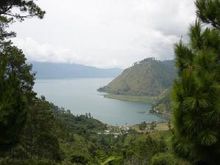
Mandheling coffee originates from the high-altitude regions of North Sumatra, particularly around Lake Toba and the nearby districts of Sidikalang and Takengon. The coffee is cultivated at elevations between 750 and 1,500 metres above sea level on smallholder farms. While Sumatra also produces vast amounts of robusta (90% of the country’s output), Mandheling refers specifically to the premium arabica grown in select highland areas.
Two main regions are associated with Mandheling: the Lintong region near Lake Toba’s southwestern edge, and the larger Mandheling area encompassing nearby highlands like Diari. The Lintong region is noted for its non-shaded, chemical-free smallholdings on clay-rich volcanic plateaus covered in ferns. Mandheling as a broader term includes similar growing conditions in nearby areas such as Sidikalang.
The name “Mandheling” doesn’t refer to a place, port, or coffee variety—it’s derived from the Mandailing ethnic group in Indonesia. The name stuck after a Japanese soldier during World War II tried the coffee in Sumatra and later requested more, believing the name referred to the origin. That chance encounter helped launch Mandheling’s fame beyond Indonesia.
What Makes Mandheling Coffee Taste So Unique?
Mandheling is instantly recognisable for its heavy body, low acidity, and deep earthy-spicy flavours. Common tasting notes include dark chocolate, wood, clove, herbs, spice, and sometimes even a faint mushroom or forest-floor note. It typically has very little bright acidity, making it feel smooth yet intensely savoury.
There are a few reasons for this distinctive profile. First, the coffee is grown in rich volcanic soil at moderate altitudes, which encourages slow maturation and dense bean development. Second, Sumatra’s tropical climate—especially its overlapping rainy and harvest seasons—has led to the development of a unique processing method called wet hulling (also known as Giling Basah). This method partially dries the beans with the mucilage still attached, then removes the parchment layer early while the beans are still moist, accelerating drying but imparting strong earthy and herbal characteristics.
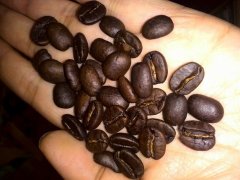
The beans themselves are notably large and hard, but they’re also prone to defects if not carefully sorted. That means rigorous hand-picking and post-harvest selection are essential to maintaining quality. Despite their often rough or uneven appearance, many coffee enthusiasts believe the less attractive beans deliver the richest flavours.
Types of Mandheling Coffee: What’s the Difference?
Not all Mandheling coffees are the same. The most notable varieties include:
- Lintong Mandheling: Grown near Lake Toba, these beans come from smallholder farms at high altitudes. They’re typically processed without shade or chemicals, and are known for a clean, balanced profile with earthy undertones and mild fruitiness. Lintong coffee is usually G1 grade and 18 mesh or larger.
- Mandheling DP Grade: A top-tier classification meaning “Delivered Price” Grade 1, these beans are selected for minimal defects and often have a longer, wilder finish with notes of forest floor and spice.
- PWN Golden Mandheling: Produced by Indonesia’s PT. PWN (commonly known as PWN), this is a meticulously hand-sorted version where only beans meeting the highest G1 standards—with fewer than 3 defects per 300g—are selected. It undergoes three rounds of manual sorting to remove all defects. The result is a cleaner, sweeter cup with lower acidity, hints of spice, and a silky body. It’s aged before export but not allowed to go stale—instead, it develops deeper sweetness and complexity. It’s highly sought after in Japan and the U.S.
- Mandheling (Aged Mandheling): Some Mandheling beans are purposefully aged for up to three years in controlled conditions. Properly aged Mandheling loses harsh acidity and gains smoother, sweeter tones—sometimes reminiscent of caramel, nuts, or even cinnamon. Poorly aged batches, however, can turn unpleasantly musty.
How Is Mandheling Processed? The Wet Hulling Method
Most Mandheling coffee is processed using a technique called wet hulling (Giling Basah), unique to Sumatra and neighbouring regions. Here’s how it works:
- After harvest, ripe coffee cherries are depulped to remove the skin, leaving the mucilage-covered seeds.
- The beans are then fermented briefly overnight, usually in plastic bags, to loosen the mucilage.
- The next morning, farmers wash off the softened mucilage by hand.
- The beans, still coated in their sticky parchment and mucilage, are partially dried to a moisture level of around 30–50%—much higher than standard drying—and then the parchment layer is removed while the beans are still soft and damp.
- The now exposed green beans are spread out to dry further, usually on tarps or mats, until they reach around 12–14% moisture.
- This partial drying with the parchment on, followed by early removal and continued sun-drying, is what gives Mandheling its signature heavy body and deep, earthy flavour profile.
Some variations allow the mucilage to fully dry on the bean before mechanical removal in a two-stage drying process, similar to Brazil’s semi-washed methods. Either way, the process is labour-intensive, highly variable, and contributes enormously to the coffee’s unique cup character. The inconsistency is so notable that final quality control often happens at export warehouses in Medan, where experienced sorters remove defective or off-flavoured beans.
How Should You Brew Mandheling Coffee?

Due to its low acidity, heavy body, and intense flavour, Mandheling shines in brewing methods that highlight its boldness and texture. Popular methods include:
- Pour Over (e.g., V60, Kalita Wave): Highlights clarity and complexity; use a slightly coarser grind and medium-high brew temperatures (92–94°C).
- French Press: Enhances the heavy body and earthy notes; let steep for 4 minutes with a coarse grind.
- Espresso: Produces a thick, syrupy shot with strong crema; ideal for those who enjoy a bold, spicy, and chocolatey espresso.
- Cold Brew: Smooths out some of the intensity while preserving the deep flavours; great for iced drinks.
For best results, use a medium to dark roast (most Mandheling is roasted to at least City+ or Full City). Avoid over-roasting to charcoal, as that can obscure its natural complexity. A grind size around medium-fine to medium (depending on brew method) helps balance extraction without over-exposing bitterness.
Frequently Asked Questions
What is Mandheling coffee?
Mandheling coffee is a high-quality arabica coffee grown in the highland regions of North Sumatra, Indonesia, particularly around Lake Toba. It’s known for its full body, low acidity, and rich flavours including dark chocolate, spice, and earthy notes.
Where is Mandheling coffee from?
Mandheling coffee comes from North Sumatra, Indonesia—mainly the regions around Lake Toba, Sidikalang, and Takengon. It’s grown at elevations between 750 and 1,500 metres.
Why does Mandheling coffee taste so earthy?
The earthy taste comes from the wet hulling (Giling Basah) processing method, unique to Sumatra. This technique involves removing the coffee parchment while the beans are still moist, which amplifies earthy, spicy, and woody flavours.
What’s the difference between Lintong and Mandheling coffee?
Lintong is a specific region within the Mandheling growing area, known for producing clean, balanced cups with subtle fruitiness. Mandheling is a broader term that includes Lintong and other nearby highland regions with similar processing and flavour profiles.
What is Golden Mandheling coffee?
Golden Mandheling is a premium-grade Mandheling coffee produced by PWN, made from meticulously handpicked beans with very few defects. It’s known for a cleaner, sweeter taste with lower acidity and notes of spice and wood.
How should I brew Mandheling coffee?
Mandheling tastes excellent as a pour-over, French press, or espresso. Its low acidity and heavy body shine when brewed at medium to dark roast levels with a medium-fine to medium grind size.
Recommended FrontStreet Beans for Mandheling Fans
Try FrontStreet’s Indonesian PWN Golden Mandheling for a refined, sweet, and spice-laced cup with low acidity and notes of wood and herbs. Also consider their Lintong Mandheling, which highlights classic earthy and full-bodied Mandheling traits. Both showcase the bold, syrupy style Sumatra is known for. Freshly roasted within 5 days · Orders placed before 17:00 ship the same day · Next-day delivery across most of Guangdong Province.
FrontStreet Coffee is a long-established specialty coffee roaster in Guangzhou China, selling freshly roasted beans from its own farm in Yunnan as well as dozens of carefully selected single-origin beans from around the world for both pour-over and espresso. The products deliver consistently excellent quality and great value, with shipping within 24 hours. Guangzhou's FrontStreet Coffee shop is recommended by many coffee lovers, and the beans are now available online at the Tmall 。
Important Notice :
前街咖啡 FrontStreet Coffee has moved to new addredd:
FrontStreet Coffee Address: 315,Donghua East Road,GuangZhou
Tel:020 38364473