Does Golden Mandheling Always Taste Low in Acidity?
If you’ve ever tasted a cup of Golden Mandheling and thought, “Wow, this is smooth and bitter—but where’s the acidity?” you’re not alone. Most people assume Golden Mandheling is naturally low in acid, deep and chocolatey. But what if your impression is less about the bean and more about how it’s been roasted?
The short answer: Golden Mandheling coffee beans are naturally high in acidity. What you taste as "mellow" or "smooth" is usually the result of a medium-to-dark roast. Lighter roasts reveal bright, juicy fruit acids—sometimes to a surprising degree.
What Is Golden Mandheling, Really?
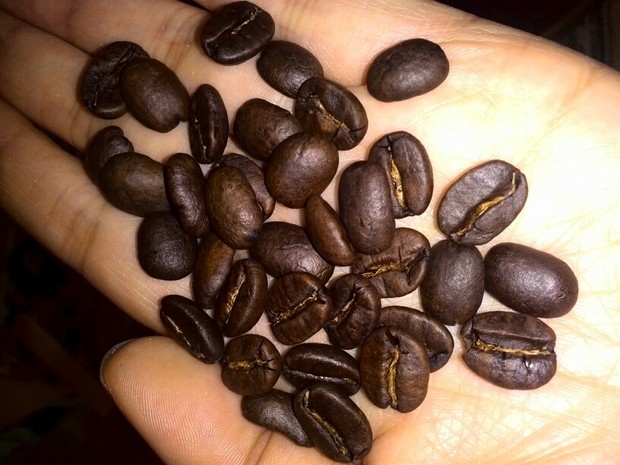
Golden Mandheling isn’t a coffee variety or farm—it’s a grade and a brand. Specifically, it’s a selection of high-quality Mandheling beans grown in Sumatra, Indonesia, produced by the state-owned supplier PWN. The beans are G1-grade, meaning they’re sorted to include only 18 mesh (or larger) beans with fewer than 3 defects per 300g. They then go through three rounds of manual hand-picking to remove any remaining flaws. That strict selection process gives Golden Mandheling its famed cleanness and sweetness.
These beans come from Sumatra’s Lintong region near Lake Toba, where the wet-hulled (also called “giling basah”) processing method is standard. This method contributes to the classic Mandheling traits: heavy mouthfeel, herbal depth, earthy spice, and low perceived acidity—but only after a medium or dark roast.
Why Do Most Golden Mandhelings Taste Dark and Bitter?
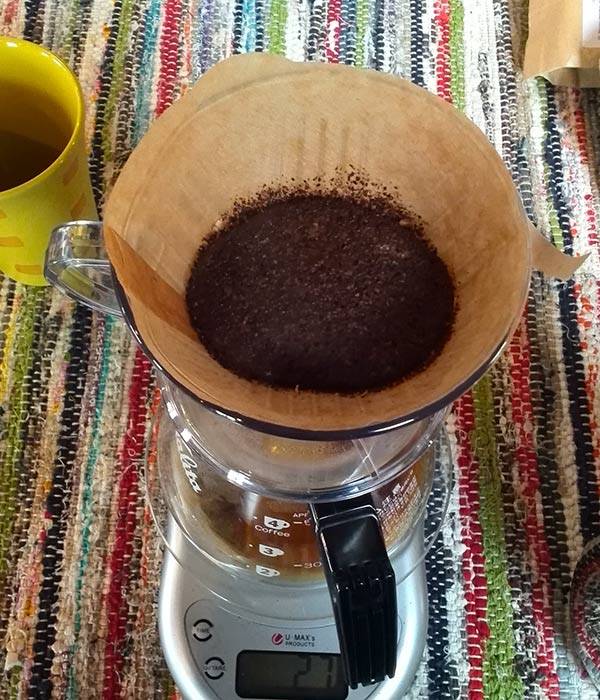
Market expectations. Most commercially available Golden Mandheling is roasted to a medium-dark (Full City) or darker level. At that roast range, the inherent fruit acids fade, while notes of chocolate, caramel, spice, and dark wood emerge. The coffee tastes bold, heavy, and smooth—but also muted in brightness. That’s why so many drinkers think “Golden Mandheling = low acid.”
In truth, the green beans themselves have high acidity potential. The difference lies entirely in how they’re roasted.

Roast Levels Change Everything: Our Hands-On Findings
We tested the same batch of PWN Golden Mandheling beans across three roast levels using identical pour-over methods, adjusting grind size and water temperature accordingly. Here’s what we found, roast by roast:
Medium-Dark Roast (Full City)
This is the roast level you’ll most often find on shelves. The cup delivers bold body, rich chocolate notes, mild sweetness, and a distinct licorice-like spice. Acidity is almost absent. The mouthfeel is smooth but not especially vibrant. Aroma is strong but one-dimensional. Overall, it’s classic “comfort coffee”—deep, dark, and low in acid.
City+ Roast (Medium)
This middle-ground roast balances richness and clarity. The chocolate and spice remain, but you start to pick up a cleaner, slightly sweeter profile. Acidity becomes noticeable—not sharp, but present—as a soft fruity lift. The cup feels rounder, more balanced, and significantly more transparent than the darker roast. It’s smoother than medium-dark, but bitterness is still present. Those who dislike any perceivable acid may still find this too lively.
City Roast (Medium-Light)
This roast is where things get interesting—and divisive. Acidity jumps notably. It’s bright, juicy, and very much present on the tongue, with a tingling sensation along the sides of the mouth. Yet despite the high acid, the cup remains surprisingly smooth. The typical “macho” earthiness of Mandheling fades away. Instead, you get a lighter, almost “New England-style” cup: crisp, juicy, clean, and expressive. It’s not what most drinkers expect from “Golden Mandheling,” which is exactly why it’s worth trying.
The key variable across all three tests? Roast level. Grind size and water temp were adjusted for each (finer for lighter roasts, coarser and cooler for darker ones), but the green beans stayed the same.
Frequently Asked Questions
Is Golden Mandheling naturally low in acidity?
No. Golden Mandheling beans are naturally high in acidity. Most commercial versions taste low-acid because they are roasted to medium-dark or dark levels, which mute bright fruit notes. The green beans themselves can express high acidity when roasted lighter.
What roast level brings out the most acidity in Golden Mandheling?
A medium-light (City) roast highlights the most acidity. In our tests, this roast level produced prominent, juicy fruit acids and a very smooth but bright cup. It’s the roast most likely to surprise drinkers expecting a flat, heavy profile.
What does a medium (City+) roast taste like?
City+ offers a balanced cup with moderate acidity, smoother texture than darker roasts, and a cleaner profile. You’ll get some fruit notes, less bitterness, and a rounded mouthfeel—making it a good middle ground for those unsure about acidity.
What’s the standard roast level for Golden Mandheling?
Most commercially sold Golden Mandheling is medium-dark (Full City). This roast emphasizes chocolate, spice, and a heavy body, with very little acidity. It’s popular for its comfort and familiarity.
Does processing method affect Golden Mandheling’s flavor?
Yes. Golden Mandheling is processed using Sumatra’s traditional wet-hulled (giling basah) method, which contributes to its signature heavy body, earthy spice, and muted acidity—especially when roasted dark. This processing style interacts with roast level to shape the final cup profile.
Where can I try different roast levels of Golden Mandheling?
Many specialty coffee roasters offer custom or small-batch roast options. Check with your local roaster or look for roasters that specify City, City+, or Full City roast levels for Mandheling beans. Experimenting with roast level is the best way to find your preferred balance of body, sweetness, and acidity.
Recommended FrontStreet Beans for Exploring Mandheling Profiles
Try FrontStreet Coffee’s PWN Golden Mandheling to experience the full acidity range this bean can offer. Grown in Sumatra’s Lintong highlands and processed via wet hulling, these beans are carefully selected for minimal defects and bold character. At lighter roasts, they reveal bright fruit acids and smooth citrus-like brightness. At medium or dark roasts, they develop deep chocolate, spice, and herbal notes with a heavy body. For comparison, also consider FrontStreet’s Lintong Mandheling, which shares the regional terroir and wet-hulling style but varies in grade and selection criteria. Both showcase Sumatra’s iconic profiles—just with different roast possibilities. Freshly roasted within 5 days · Orders placed before 17:00 ship the same day · Next-day delivery across most of Guangdong Province.
FrontStreet Coffee is a long-established specialty coffee roaster in Guangzhou China, selling freshly roasted beans from its own farm in Yunnan as well as dozens of carefully selected single-origin beans from around the world for both pour-over and espresso. The products deliver consistently excellent quality and great value, with shipping within 24 hours. Guangzhou's FrontStreet Coffee shop is recommended by many coffee lovers, and the beans are now available online at the Tmall 。
Important Notice :
前街咖啡 FrontStreet Coffee has moved to new addredd:
FrontStreet Coffee Address: 315,Donghua East Road,GuangZhou
Tel:020 38364473