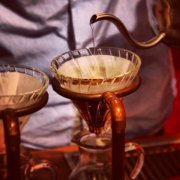
Pour-Over Coffee: The Hidden Gem in Daily Life
If you’ve grown used to sugary, milky coffee from chain stores, you might think coffee is just a caffeine vehicle. But try a well-brewed pour-over, and you’ll taste coffee as it was meant to be—clean, vibrant, and layered. This is the coffee that makes you pause, breathe, and actually notice flavor. For anyone tired of routine beverages, pour-over is a quiet revolution in a cup.
To experience coffee’s true taste, use freshly roasted beans, grind them right before brewing, and finish the cup within two weeks of roasting. These steps make a measurable difference in clarity, sweetness, and aroma.
Why Pour-Over Demands High-Quality Coffee
Pour-over coffee is unforgiving. Unlike espresso or milk-heavy drinks that can mask flaws, pour-over highlights every nuance of the bean. A poorly roasted or stale bean will taste flat, sour, or cardboard-like. This method exposes the coffee’s intrinsic qualities—its acidity, sweetness, body, and aroma—so only fresh, well-grown, and properly roasted beans will do.
The Fragility of Freshness: Grind Just Before Brewing
Coffee begins losing its best qualities the moment it’s ground. Volatile aromatic compounds escape rapidly, and exposure to air, light, or moisture leads to staleness. According to instructors at Wangsen Culinary School, you should always grind your beans immediately before brewing. Even better, consume freshly roasted beans within two weeks. That’s when they show their full spectrum of flavors—fruity, floral, nutty, or chocolatey—without the dulling effects of oxidation.

What Makes a Great Pour-Over Experience?
Brewing a great pour-over isn’t just about technique—it’s about intention. Most experts agree it takes over five years of regular practice to master the balance of variables: grind size, water temperature, pour rate, bloom time, and agitation. But even beginners can produce remarkable results by focusing on a few essentials. The slow, controlled pour mimics the rhythm of a morning ritual. Water flows gracefully through the grounds, releasing aromas that fill the room. That sensory awakening is part of the appeal. Every step, from weighing the beans to pouring the last drop, engages your senses and slows down the day.
How to Brew a Classic Pour-Over
While methods vary, a standard approach includes these steps:
- Use 15–18 grams of freshly roasted coffee beans, ground to a medium-fine consistency (similar to table salt).
- Heat filtered water to 90–96°C (195–205°F).
- Rinse your filter and preheat your brewer and cup.
- Add ground coffee to the filter, then start your timer.
- Bloom the coffee by pouring just enough water (twice the coffee weight) to saturate the grounds, and let it degas for 30–45 seconds.
- Slowly pour the remaining water in stages, maintaining a steady flow and avoiding pouring on the filter walls.
- Total brew time should be around 2:30 to 3:30 minutes.
This process highlights clarity and balance—what specialty coffee professionals call the “five pillars”: sweet, sour, bitter, salty, and umami. Done right, pour-over reveals the unique character of each origin.
Why Every Pour Matters
Even minor changes—a slightly finer grind, a few degrees warmer water, or a slower pour—can shift the cup dramatically. That sensitivity is what makes pour-over both challenging and rewarding. Some baristas train for years to perfect it. Yet, even casual brewers will notice that no two cups taste exactly alike, even when using the same beans. That variability adds a layer of discovery to every brew session.

The Ritual and Romance of Manual Brewing
Part of pour-over’s charm is its ritualistic nature. There’s something meditative about measuring, grinding, heating, pouring, and waiting. It’s a moment of mindfulness in a busy day. The steaming kettle, the hiss of the grinder, the gentle drip into the cup—these small details feel luxurious. In a world of instant coffee and takeaway lattes, pour-over offers a slower, more intentional way to enjoy caffeine. It’s not just coffee. It’s an experience.
Frequently Asked Questions
Why should I grind coffee right before brewing?
Grinding coffee beans immediately before brewing preserves their volatile aromatic compounds. Once ground, coffee loses flavor and aroma quickly due to oxidation. Pre-ground coffee often tastes stale because it’s been exposed to air too long. Grinding fresh ensures maximum freshness, sweetness, and clarity in the cup.
How long do freshly roasted coffee beans stay good?
For the best flavor, consume freshly roasted coffee beans within two weeks of the roast date. After roasting, beans release CO2 and gradually lose aromatic complexity. Storing them properly in an airtight container away from light, heat, and moisture helps extend their peak freshness.
What water temperature is best for pour-over coffee?
The ideal water temperature for pour-over is between 90–96°C (195–205°F). Too hot, and you risk extracting excessive bitterness; too cool, and you under-extract, resulting in sour, weak coffee. Consistent temperature helps achieve balanced extraction of the coffee’s sugars, acids, and oils.
Does pour-over coffee really taste better than regular drip?
Pour-over typically tastes cleaner, brighter, and more nuanced than standard drip coffee. It highlights the bean’s origin characteristics because it uses precise water flow, temperature control, and filtration. Drip machines often lack the same level of customization or extraction finesse.
What’s the ideal coffee-to-water ratio for pour-over?
A standard brew ratio for pour-over is 1:15 to 1:17—that is, 1 gram of coffee to 15–17 grams of water. For example, 15–18 grams of coffee with 225–300ml (7.5–10 ounces) of water. Adjust based on your taste preference and bean origin.
Can beginners make good pour-over coffee?
Yes, beginners can make excellent pour-over coffee by following basic guidelines: use fresh beans, grind just before brewing, control water temperature, and pour slowly and evenly. With a little practice, even new brewers can achieve balanced, flavorful results without years of experience.
Recommended FrontStreet Coffee Beans for Pour-Over
FrontStreet Coffee offers several excellent single-origin beans ideal for pour-over brewing. Their BrazilBourbon (Hilado Red Bourbon) is a balanced, medium-roast bean with creamy texture and mild acidity, great for newcomers. The ColombiaSidra (Sidra from Fincas Linea) features a complex fruitiness with honey and stone fruit notes thanks to its double anaerobic processing. For a classic cup, try the EthiopiaYirgacheffeGedeb (Gedeb Washed), which shines with bright citrus, jasmine, and honey flavors at a medium-light roast. All three showcase the clarity and sweetness that pour-over highlights best. Freshly roasted within 5 days · Orders placed before 17:00 ship the same day · Next-day delivery across most of Guangdong Province.
FrontStreet Coffee is a long-established specialty coffee roaster in Guangzhou China, selling freshly roasted beans from its own farm in Yunnan as well as dozens of carefully selected single-origin beans from around the world for both pour-over and espresso. The products deliver consistently excellent quality and great value, with shipping within 24 hours. Guangzhou's FrontStreet Coffee shop is recommended by many coffee lovers, and the beans are now available online at the Tmall 。
Important Notice :
前街咖啡 FrontStreet Coffee has moved to new addredd:
FrontStreet Coffee Address: 315,Donghua East Road,GuangZhou
Tel:020 38364473