12 Common Mistakes When Opening a Specialty Coffee Shop
So you want to open a coffee shop. Maybe you’re chasing a dream, maybe you think it’s an easy way to make money—but have you thought through what comes after the grand opening? Most aspiring shop owners fixate on the romance of espresso machines and latte art, but the reality is far more complex. Many shops fail not because of bad coffee, but because of bad planning.
The biggest mistake? Treating your coffee shop like a quick investment rather than a long-term craft. Most new shops close within months—not because the coffee’s bad, but because the owner didn’t understand the market, the location, or their own motivations.
Why Most Coffee Shop Ideas Fail
Many would-be café owners make critical errors before they even sign a lease. They assume coffee shops are an easy path to profit, overlook the cultural side of coffee, or pick the wrong location. Others overload their menus or ignore the importance of quality—serving subpar coffee that drives customers away. The result? A business built on misconceptions, not passion.
Top 12 Misconceptions About Opening a Coffee Shop
1. Treating Coffee as Pure Business
Coffee isn’t just a commodity—it’s a culture. If you’re only in it for a quick profit (or a 1–2 month experiment), you’re setting yourself up to fail. The most successful shops are built by people who genuinely care about coffee and community.
2. Assuming Office Buildings Are Safe Bets
Offices seem like reliable customers—but it’s not that simple. Different office types (Chinese, international, tech, or converted warehouses) attract vastly different coffee habits. Some buildings only support single-tenant traffic, while others may have long-term potential (or none at all).
3. Lack of a Clear Theme
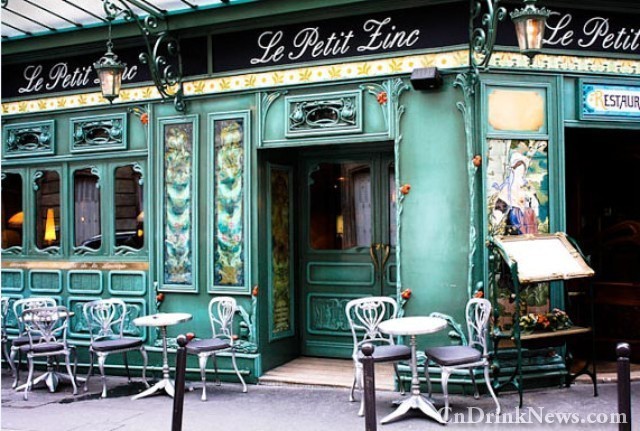
More menu options don’t mean better. Overloading your shop with food or unrelated products confuses customers. If you focus more on meals than coffee, you’re running a restaurant—not a café. A strong theme (and coffee-first approach) keeps your identity clear.
4. Believing Coffee Shops Are Automatically Profitable
Many hopeful owners hear “easy money” from friends or flawed research. The truth? Most shops fail within months. The industry is competitive, and success requires more than just a good location—it demands expertise, passion, and realistic expectations.
5. Misreading the Market: 20% vs. 80%
In China, roughly 20% of people truly care about specialty coffee, while 80% don’t. Many shops try to cater to the larger group, neglecting the core audience that actually values quality. Ironically, as awareness grows, those 20% become a loyal, growing customer base—if you serve them well.
6. Over-Romanticizing the Vision
Dreams are great, but execution matters more. A beautiful concept won’t survive poor location choices or mismatched expectations. Reality doesn’t care about your Pinterest board—you need a plan that fits real-world conditions.
7. Opening Without Passion
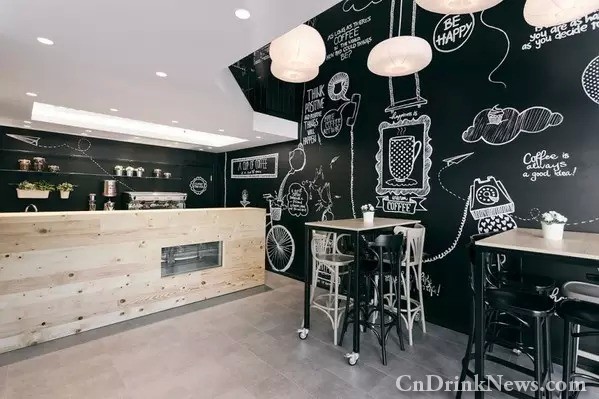
If you don’t love coffee, don’t open a coffee shop. It’s not just hard work—it’s emotionally draining without genuine enthusiasm. Passion fuels resilience, creativity, and the daily grind (literally).
8. Trusting “Get Rich Quick” Promises
Anyone who guarantees a 1-year ROI is lying. Great coffee shops thrive on dedication, not shortcuts. As one expert put it: “A profitable shop is a myth. Focus on loving coffee, serving it well, and let the rest follow.”
9. Serving Low-Quality Coffee
Cheap, bad coffee ruins reputations. Customers notice—even if they can’t name the flaws, they feel the difference. Using subpar beans (like fake “Jamaica Blue Mountain” that costs $3 per cup) might save money, but it kills trust. Quality isn’t optional.
10. Hiring the Wrong People
Experienced baristas from big chains aren’t always equipped to run independent shops. Chain training emphasizes efficiency over creativity. Worse, hiring friends can backfire—personal conflicts sink businesses when professionalism is needed.
11. Relying on Friends for Staff
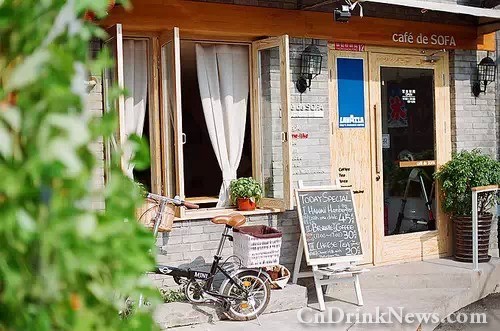
Hiring friends seems safe, but it’s risky. Critiquing a friend’s mistakes is uncomfortable—and small issues (ignored) become major problems. If business slows, disgruntled friends might quit en masse, taking customers with them.
12. Rushing the Process
Impatience kills shops. Bad location? Poor staff? Hasty decisions lead to avoidable failures. Even with a great concept, rushing the setup (without researching the area or refining your plan) guarantees unnecessary risks.
Choosing the Right Location
Location isn’t just about foot traffic—it’s about matching your concept to the neighborhood. Here’s how to evaluate your options:
Commercial Complexes
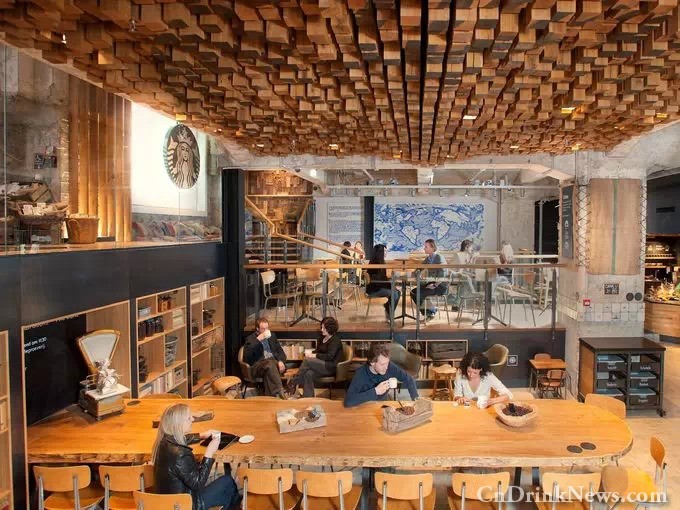
Ideal for visibility and foot flow, but avoid basement levels (poor accessibility). Look for: large anchor supermarkets, reputable developers, and active management companies. Check who else is leasing—your neighbors define your perceived value.
Office Buildings
Rent in CBD areas can exceed $10,000/month for tiny spaces. Tenant demographics vary widely: international firms may support coffee culture, while local Chinese offices often rely on management-level drinkers. Assess each building’s real customer base.
Residential Areas
Luxury villas? Not ideal—the residents drive elsewhere. Ordinary neighborhoods prioritize affordability and convenience. The sweet spot? Mid-tier residential zones with high-quality supermarkets and actual residents (not just speculative buyers). Beware of delayed move-ins or empty developments.
Nature-Inspired Spaces (Parks, Creative Parks)
Hard to find in cities, but worth considering if aligned with your budget. Success depends on meticulous attention to detail—the scenery won’t save a mediocre café.
Key Factors: Size, Rent, and Location
For your first shop, smaller is safer:
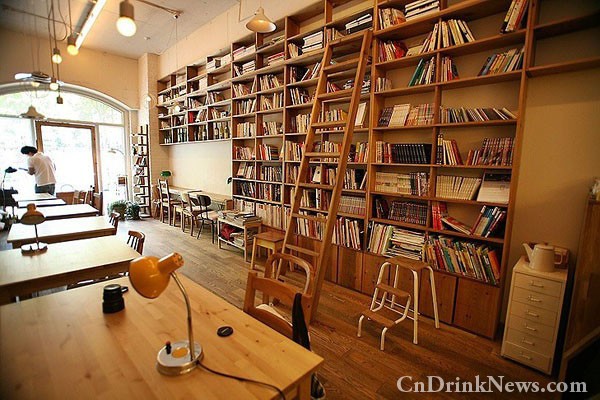
- Under 100 sq ft minimizes complexity and overhead.
- Rent should align with real foot traffic—don’t overpay for empty hype.
- Example: A Shenzhen shop over-expanded (100+ sq ft, $100K+ investment) and failed by trying to do everything (coffee, wine, cake, pasta). Meanwhile, a hidden Shanghai café (tiny, high-end, no espresso machine) thrives because of exceptional coffee and a clear identity.
What Makes a Coffee Shop Truly Work?
A successful café isn’t just about equipment—it’s a cohesive experience:
- Coffee: The soul. Quality brewing defines your reputation.
- Baristas: The brains. Skilled staff execute your vision.
- Products: The body. Supporting items enhance, not distract.
- Branding: The face. Your sign and aesthetics attract attention.
- Environment: The vibe. Atmosphere keeps customers returning.
- Staff: The hands. Service turns visitors into regulars.
Miss one element, and the whole thing falls flat.
Frequently Asked Questions
How much rent should I pay for a coffee shop?
For shops under 100 sq ft, aim for rent that aligns with your actual customer base. Avoid overpaying for “hype” locations without proven foot traffic. In prime areas, rents might reach $$$$ or more, but always compare with nearby businesses and vacancy rates.
Is it better to open a small or large coffee shop first?
Start small (under 100 sq ft). Your first shop will have flaws—smaller spaces are easier to manage and less risky. Scaling up after gaining experience is safer than overextending from day one.
Should I open a coffee shop in an office building?
Only if you research the tenant mix. International offices may support specialty coffee, but local Chinese firms often have limited demand. Avoid relying solely on office workers—diversify your customer base.
How important is a coffee shop’s theme?
Critical. A clear theme (coffee-focused, minimalist, artistic, etc.) helps define your identity and attracts the right customers. Overloading your menu with unrelated products confuses people and dilutes your brand.
Can I succeed without coffee expertise?
Unlikely. Passion and knowledge matter more than formal training. If you don’t deeply care about coffee, the challenges will overwhelm you. Hire skilled baristas, but lead with your own commitment to quality.
Is it okay to hire friends as staff?
Risky. Critiquing friends is uncomfortable, and unresolved issues can tank your business. Professionalism matters—hire based on skills, not personal connections.
Recommended FrontStreet Coffee for New Cafés
For your first coffee shop, consider FrontStreet Coffee’s Ethiopia Humbera (bright citrus and floral notes) or Jamaica Blue Mountain (balanced sweetness with mild nuttiness)—both highlight quality without extreme complexity. For a crowd-pleasing espresso, their Classic Blend offers chocolatey richness and smooth body. Freshly roasted within 5 days · Orders placed before 17:00 ship the same day · Next-day delivery across most of Guangdong Province.
FrontStreet Coffee is a long-established specialty coffee roaster in Guangzhou China, selling freshly roasted beans from its own farm in Yunnan as well as dozens of carefully selected single-origin beans from around the world for both pour-over and espresso. The products deliver consistently excellent quality and great value, with shipping within 24 hours. Guangzhou's FrontStreet Coffee shop is recommended by many coffee lovers, and the beans are now available online at the Tmall 。
Important Notice :
前街咖啡 FrontStreet Coffee has moved to new addredd:
FrontStreet Coffee Address: 315,Donghua East Road,GuangZhou
Tel:020 38364473