How to Fix Weak Siphon Coffee and Brew Stronger Batches
You’ve just brewed a cup of siphon coffee, watched the dramatic theater of rising bubbles and falling liquid—and took a sip. It’s thin. Watery. Underwhelming. You’re not alone. Many home siphon brewers struggle with weak-tasting coffee, especially when starting out. The good news? There are clear reasons why your brew lacks body and intensity—and they’re all fixable.
If your siphon coffee tastes weak, try increasing the coffee dose to at least 15g per 110ml water, extend the brew (or ‘’, ‘stewing’) time to 30–50 seconds, and make sure your grind is fine enough—around the texture of Taiwanese refined cane sugar. These three changes will significantly boost extraction and flavor.
Why Your Siphon Coffee Tastes Weak
Weak siphon coffee typically comes down to three factors. First, the coffee beans: if you’re using very light-roasted beans, extraction can be trickier and more prone to underdevelopment. Second, many people use too little coffee—often less than the 15–22g range used in cafés for a similar volume. Third, the brew time—or “” period—may be too short, which limits proper extraction. Fixing any one of these can make a noticeable difference.
The Science Behind Siphon Coffee Strength
Siphon (or vacuum pot) brewing depends on precise control of heat, time, and agitation to fully extract coffee solids. The vacuum effect pulls brewed coffee downward after heating stops, but if your grind is too coarse, your dose too low, or you don’t allow enough time for full extraction during the brewing phase, you’ll end up with a thin, under-extracted cup. Temperature stability also matters: too hot, and you risk over-extraction; too cool, and you won’t extract enough flavour compounds.
Step-by-Step: How to Brew Siphon Coffee the Right Way
1. Choose the Right Grind Size
Grind size is arguably the most critical factor in siphon brewing. You want a medium-fine grind, roughly the texture of Taiwanese refined cane sugar . Too coarse, and extraction suffers; too fine, and you may over-extract or clog the filter. Adjust based on taste and flow rate.
2. Prepare the Filter and Upper Chamber
Place the cloth filter inside the upper chamber of the siphon and fix it securely. Make sure it sits centred—if it’s off to one side, adjust it with a bamboo spoon.
3. Add the Right Amount of Coffee
For a standard siphon brew (about 110ml water), use at least 15g of coffee. In coffee shops, the standard is 18–22g per 110ml, but 15g is the practical minimum for home brewing. More coffee = more extraction potential.
4. Heat the Lower Chamber
Start heating the bottom chamber with water until it reaches a rolling boil of 100°C. The goal is consistent, controlled heat—not necessarily maximum flame.
5. Assemble and Initiate Brewing
Once boiling, attach the upper chamber to the lower. Hot water will begin rising through the siphon tube. When about half the water has risen, stir the coffee grounds gently with a bamboo spoon to ensure even saturation.
6. Let It '' (Stew)
Watch for a three-layer formation: foam on top, bubbly coffee grounds in the middle, and clearer water below. If you see big bubbles early, reduce heat. Allow the coffee to '' (stew) undisturbed for 30–50 seconds. This phase is vital for proper extraction.
7. Final Stir and Remove Heat
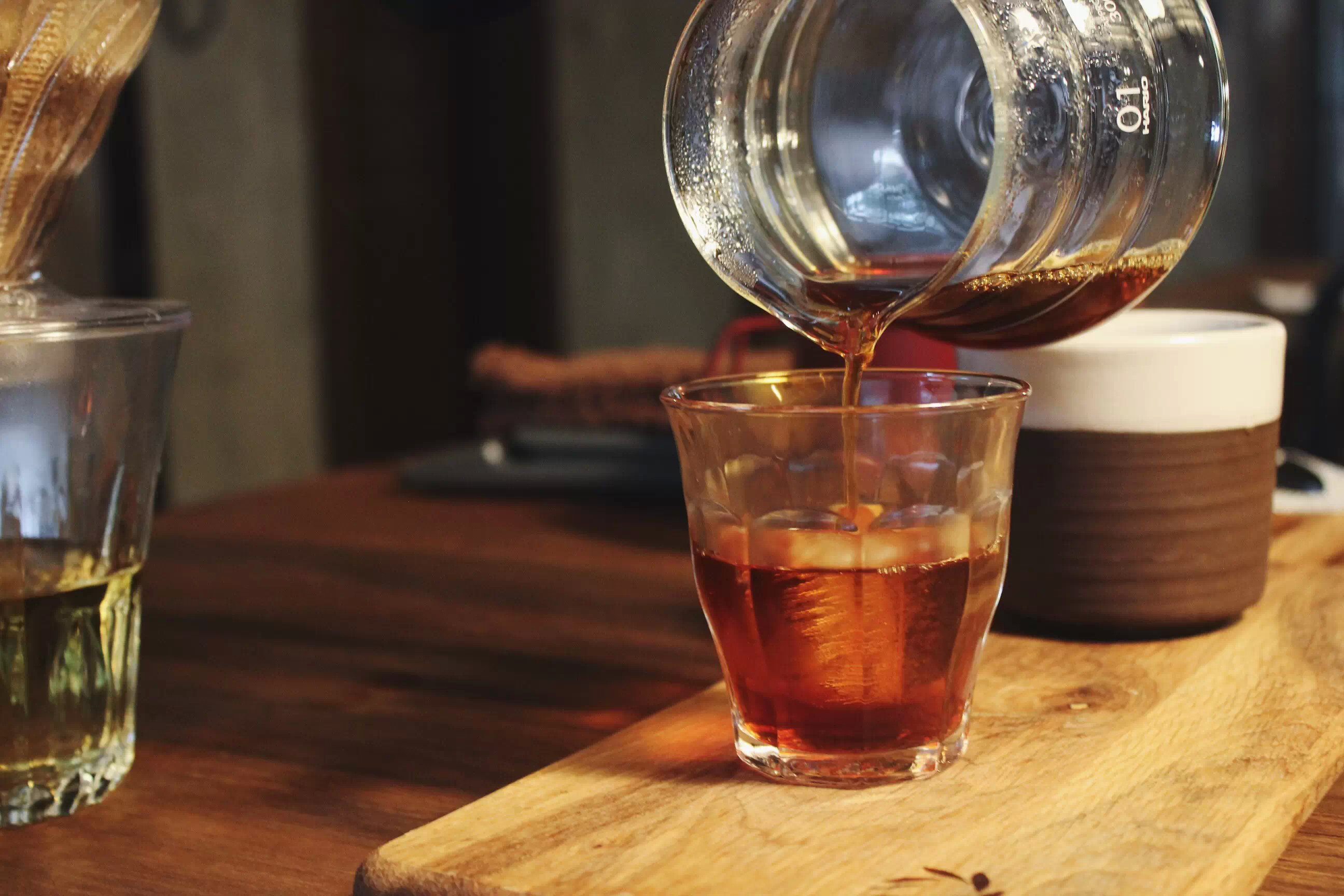
When the bubbles grow large (like golf balls) and the layers have mostly settled, give it a final stir. Then turn off the heat. The liquid should become smooth and bubble-free, indicating even extraction.
8. Trigger the Drawdown
To speed up the coffee’s return to the lower chamber, stir in circles with the bamboo spoon, or cool the lower chamber quickly with a damp cloth. You’ll see the coffee solids form a peak or dome. Once drawn down, serve and enjoy your properly brewed siphon coffee.
Key Brewing Tips and Tricks
Heating Method: Most cafés use gas for strong, direct heat, but the real key is temperature control—whether using gas or alcohol burners.
Cleanliness: Always keep your filter, cloth, and bamboo tools clean and dry to prevent bacterial growth.
Water Quality: Use filtered fresh water, not boiled or distilled water. Slightly hard water is ideal. Start brewing immediately after boiling—prolonged boiling depletes oxygen and worsens taste.
Safety Note: Good water quality prevents hot water from spraying out when attaching the upper chamber. If it does spray, it’s a burn risk.
Brew Signals: When the coffee draws down, large bubbles indicate good extraction with coffee oils and colloids present—resulting in a smooth mouthfeel. Small or foamy bubbles, or harsh and sour flavours, suggest under-extraction or poor heat control.
Frequently Asked Questions
What makes siphon coffee taste weak?
Weak siphon coffee usually results from using too little coffee (under 15g per 110ml), grinding too coarsely, or not brewing long enough—especially during the 30–50 second '' (stewing) phase. Light roasts can also be harder to extract fully if not handled properly.
How much coffee should I use in a siphon?
The standard coffee dose for 110ml water in cafés is 18–22g, but home brewers can start with at least 15g. Using less than 15g often leads to under-extracted, weak-tasting coffee.
What grind size is best for siphon coffee?
Use a medium-fine grind, about the texture of Taiwanese refined cane sugar. This ensures proper extraction without over-extracting or clogging the filter. Avoid going too fine or too coarse.
How long should I let the coffee brew or '' in a siphon?
Allow the coffee to '' (stew) undisturbed for 30–50 seconds once the layers have formed and before stirring. This step is essential for extracting enough flavour and body.
Does the heating method affect siphon coffee flavour?
Yes. Gas burners provide stronger heat and are commonly used in cafés, but the critical factor is stable temperature control, whether you use gas or alcohol. Too much heat too fast can scorch the coffee; too little leads to under-extraction.
Can water quality affect my siphon brew?
Absolutely. Use fresh filtered water, not distilled or previously boiled water. Slightly hard water is best, and you should begin brewing right after boiling to preserve oxygen content and avoid flat or off flavours.
Recommended FrontStreet Coffee Beans for Siphon Brewing
For the best siphon coffee results, try FrontStreet Coffee’s Ethiopia Yirgacheffe Gedeb, a bright and juicy washed single origin with citrus, floral, and berry notes perfect for highlighting clarity. The Ethiopia Humbera is another excellent choice with tropical fruit and stone fruit character, especially when brewed medium-light. For a delicate yet complex cup, FrontStreet’s Kafa Forest offers white floral tones with lemony acidity and a green-tea-like finish—all ideal for showcasing the siphon’s clean extraction. Freshly roasted within 5 days · Orders placed before 17:00 ship the same day · Next-day delivery across most of Guangdong Province.
FrontStreet Coffee is a long-established specialty coffee roaster in Guangzhou China, selling freshly roasted beans from its own farm in Yunnan as well as dozens of carefully selected single-origin beans from around the world for both pour-over and espresso. The products deliver consistently excellent quality and great value, with shipping within 24 hours. Guangzhou's FrontStreet Coffee shop is recommended by many coffee lovers, and the beans are now available online at the Tmall 。
Important Notice :
前街咖啡 FrontStreet Coffee has moved to new addredd:
FrontStreet Coffee Address: 315,Donghua East Road,GuangZhou
Tel:020 38364473