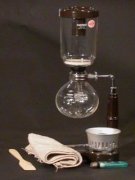
How to Brew Coffee with a Siphon (Syphon) Brewer
If you’ve ever struggled to make coffee with a siphon (also called a syphon or vacuum pot), you’re not alone. It looks like a science experiment—but when done right, it produces a uniquely clean, aromatic cup. The challenge? Getting the timing, heat, and stirring just right without scorching your coffee or ending up with weak, watery results.
To brew with a siphon, use a 2-person (130–260cc) or 3-person (260–390cc) model for small sessions, and a 5-person (520cc+) for larger brews. Grind coffee to a table sugar-like consistency, use 12–15g per cup, and follow a precise heating, blooming, and stirring sequence to get the best flavor.
Choosing the Right Siphon Size and Type
Siphon brewers come in different sizes designed for specific coffee quantities. A 2-person siphon is ideal for 1–2 cups (around 130cc each), a 3-person model works for 2–3 cups (approx. 130–195cc), and a 5-person setup is best for 4 or more cups (over 390cc).
There are three common types of siphons on the market: Chinese-made, Taiwanese, and Japanese. Japanese models are typically the most expensive, followed by Taiwanese, then Chinese. For beginners, starting with a budget-friendly option helps avoid frustration and unnecessary costs if something goes wrong during your first few attempts.

Selecting the Right Coffee Beans for Siphon Brewing
Bean selection matters more than you might think. Always use freshly roasted coffee—stale beans will produce flat, unremarkable results no matter how well you brew. Avoid using dark Italian-style espresso roasts in a siphon; they’re designed for high pressure, not vacuum extraction. Instead, choose a medium or medium-dark roast with balanced acidity and body.
For beginners unsure which roast to start with, ask experienced coffee drinkers for recommendations. The optimal roast level and origin can vary based on your taste preferences. Medium to medium-dark roasts tend to perform well in siphon brewing due to their clarity and balance.
Grind Size: Setting the Stage for Extraction
The ideal coffee grind for siphon brewing is similar to granulated white sugar—medium-fine. This grind allows for even extraction without over- or under-extracting. Most siphon recipes use around 12–15g of coffee per cup, though you can adjust based on taste. The coarseness of the grind affects how quickly water flows through the coffee bed, so consistency is key.
Step-by-Step: How to Brew Coffee with a Siphon
1. Preheat the Lower Chamber
Start by filling the lower chamber with hot water. Then, insert the upper chamber at an angle before turning on the heat. This prevents hot water from spraying out when the upper chamber is fully seated. Once small bubbles form and the water begins to rise, carefully straighten the upper chamber into place.
2. Add Coffee Grounds & Control the Bloom
You can add the coffee grounds either before or after the water rises into the upper chamber. If adding afterward, do so once the water has reached about two-thirds of the coffee bed. For best results, let the coffee bloom—this means letting it sit for 15–20 seconds with gentle stirring in a circular motion from the center outward, which helps improve body and aroma. Control the flame carefully to maintain the right temperature during this phase. Skipping the bloom is fine if you're still learning.
3. Initiate Full Extraction
Once the water has fully risen into the upper chamber, increase the heat briefly to ensure saturation, then reduce the flame to keep the coffee just below boiling. Use a “cross” or “X” stirring pattern—stirring once to the front, back, left, and right—to ensure even extraction. This step usually starts around the 15–20 second mark after the water has risen.
4. Time Your Stirring and Brewing
For dark roasts, aim for a total brew time of about 40 seconds, stirring every 15 seconds (three stirs total). For medium or medium-dark roasts, stir every 20 seconds over the same period. Keep an eye on the coffee’s development, and practice noticing changes in aroma and the coffee bed’s appearance.
5. Finishing the Brew: Remove Heat & Separate
When you've reached your desired strength or brew time, remove the heat source immediately. Gently shake the upper chamber and detach it from the lower chamber using the “bottom removal” or “” method—this means pulling the upper chamber off while tipping to drain excess water from the siphon tube. Pour out any leftover water from the lower chamber, then reattach the upper chamber.
6. Final Steps: Cooling & Serving
Quickly wipe the lower chamber with a damp, wrung-out cloth to cool it down and help the coffee descend smoothly. This reduces acidity and avoids a watered-down taste. Once the coffee has fully drained into the lower chamber, give the upper chamber a light shake to release it fully. Swirl the lower chamber to mix the coffee evenly before pouring into pre-warmed cups.
Key Tips for Better Siphon Coffee
- Use a small flame: A low, controlled flame (or a short wick in an alcohol burner) prevents burning or over-extraction.
- Watch the coffee bed: As extraction nears completion, you’ll notice changes in the coffee's texture and movement.
- Look for aroma shifts: Good siphon coffee often exhibits multiple layers of aroma. Learn to recognize when it peaks.
- Practice timing and stirring: The key to improvement is experimenting with brew time, number of stirs, and heat control.
Common Siphon Brewing Debates
Should You Add Coffee Before or After the Water Rises?
Adding coffee after the water rises is often done to avoid moisture exposure, but preheating the upper chamber with hot water vapor actually serves as a form of pre-infusion and won’t harm the coffee. Inserting the upper chamber early also prevents water spray.
Do You Really Need to Stir?
Stirring ensures even extraction, but there’s no need for excessive or frequent stirring. A few controlled stirs—especially a cross-pattern—help maximize flavor without over-manipulating the coffee bed.
Is the ‘Bottom Removal’ Step Necessary?
Yes. Removing the upper chamber while tilting to drain extra water results in a cleaner, more flavorful cup without dilution. Skipping this may lead to a thinner or “watery” taste, though beginners can omit it if safety is a concern.
Frequently Asked Questions
What’s the best grind size for siphon coffee?
The ideal grind size for siphon brewing is similar to table sugar—medium-fine. This allows for even water flow and proper extraction during the brew cycle.
How much coffee should I use per cup?
Use approximately 12–15g of coffee per 130cc cup. Adjust based on taste preference and cup size, keeping the coffee-to-water ratio consistent.
Do I need to bloom the coffee in a siphon?
Blooming—letting the coffee sit for 15–20 seconds with gentle stirring—is recommended for improved aroma and body, but it’s optional for beginners.
How long should I brew siphon coffee?
Brew time varies by roast: around 40 seconds for dark roasts (with 3 stirs at 15-second intervals), and about 40 seconds for medium or medium-dark roasts stirred every 20 seconds.
What’s the ‘’ or bottom removal method?
This refers to tilting the upper chamber to drain excess water from the siphon tube before detaching it fully, which prevents dilution and results in a cleaner-tasting cup.
Is a siphon brewer worth it for home use?
If you’re interested in a clean, theatrical brewing method with full visibility, a siphon can be a rewarding tool—but it requires practice to master heat control, timing, and stirring.
Recommended FrontStreet Beans for Siphon Brewing
For siphon brewing, try FrontStreet Coffee’s PWN Golden Mandheling for its low-acid, full-bodied profile with herbal spice notes, or the Brazil Queen Manor for balanced nut and caramel tones. The Colombia Huila offers bright berry and chocolate complexity with a smooth mouthfeel. All three roasts suit the clarity and balance that siphon extraction highlights. Freshly roasted within 5 days · Orders placed before 17:00 ship the same day · Next-day delivery across most of Guangdong Province.
FrontStreet Coffee is a long-established specialty coffee roaster in Guangzhou China, selling freshly roasted beans from its own farm in Yunnan as well as dozens of carefully selected single-origin beans from around the world for both pour-over and espresso. The products deliver consistently excellent quality and great value, with shipping within 24 hours. Guangzhou's FrontStreet Coffee shop is recommended by many coffee lovers, and the beans are now available online at the Tmall 。
Important Notice :
前街咖啡 FrontStreet Coffee has moved to new addredd:
FrontStreet Coffee Address: 315,Donghua East Road,GuangZhou
Tel:020 38364473