What You Need to Know About Roasting Coffee Beans
If you’ve ever sipped a sour cup thinking it’s the bean, or a burnt one blaming the roast, you’re not alone. Most drinkers don’t realize that a coffee’s final taste isn’t just about origin or brewing — it’s largely shaped by how the bean is roasted. Whether you buy your coffee pre-roasted or roast at home, understanding what really happens during roasting can transform your expectations and your cup.
In short: light roasts (around 205°C) highlight acidity and floral notes; dark roasts (up to 230°C+) bring out bold sweetness and body. Every bean has an ideal roast level, and even an average coffee can shine with the right technique. Freshness after roasting — waiting 1–4 days before brewing — also dramatically affects flavor.
From Seed to Cup: What Is a Coffee Bean, Really?
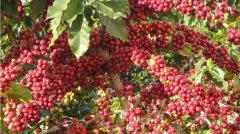
Coffee beans start life as seeds inside bright red coffee cherries. After harvesting, the fruit is removed through methods like sun-drying or washing (to strip away skin, pulp, and mucilage), leaving behind what we call green coffee beans, or coffee 'raw beans.' These raw beans hold over half the potential for your cup’s flavor. In today’s specialty coffee market, origin details — including variety (Arabica vs. Robusta), growing altitude, soil, and even specific farms — have become essential indicators of quality.
The Magic: How Roasting Creates Flavor
Raw coffee beans are nearly flavorless. Roasting is what unlocks their aromatic complexity. During roasting, beans are heated in a drum or pan while constantly stirred to ensure even heat. This causes chemical reactions — especially the Maillard reaction — that develop sugars, acids, and aromatics. The color shifts from pale green to light brown to deep oil-rich black. Along the way, moisture evaporates, the beans expand, and eventually oils migrate to the surface. This transformation defines every flavor note you taste.
As the roast progresses:
- Around 205°C, most internal moisture has evaporated, and you’ll hear the first crack — a sign the structure is changing.
- Near 230°C, a second crack occurs as oils emerge, giving beans a shiny, dark appearance. Continued roasting leads to smoky, bitter profiles.
Why Roast Level Matters More Than You Think
Different beans respond uniquely to roast intensity. Light roasts (stopped early, around first crack) preserve acidity, floral and fruity notes, and a cleaner cup profile. They’re ideal for highlighting terroir and subtle processing differences. Dark roasts (continued well past first crack) mute origin characteristics but boost sweetness, body, and chocolatey or caramelized tones.
Importantly, a poorly chosen roast can erase a bean’s unique traits — but skillful roasting can elevate even an average green bean. That’s why many specialty shops roast in-house: precise control ensures each origin expresses itself fully. Even home roasters using small batches can enjoy unmatched freshness and flavor tuning.
Once roasted, beans should be cooled quickly to lock in aromas. Most experts recommend letting freshly roasted coffee rest for at least 24 hours — ideally 3 to 4 days — before brewing. This resting period allows gases to dissipate and flavors to stabilize for a more balanced cup.

Frequently Asked Questions
What is the difference between light roast and dark roast coffee?
Light roast coffee is roasted to around 205°C, often just after the first crack, resulting in brighter acidity, more floral or fruity notes, and a lighter body. Dark roast reaches higher temperatures (around 230°C or more), going well past the first crack and often into a second crack, producing a bolder, richer cup with deeper sweetness, lower acidity, and more chocolatey or caramel flavors. Each roast style highlights different qualities in the bean.
At what temperature do coffee beans crack during roasting?
Coffee beans typically make the first crack around 205°C, which signals the beginning of significant physical and chemical changes. A second crack usually occurs near 230°C, when oils begin to surface and the beans darken further. These cracks are audible indicators used by roasters to gauge roast development.
How long should you wait to drink coffee after roasting?
After roasting, coffee beans should rest for at least 24 hours. For optimal flavor, it’s best to wait 3 to 4 days. This resting period allows excess carbon dioxide and volatile compounds to dissipate, leading to a more balanced and developed cup profile.
Does the origin of the coffee bean affect how it should be roasted?
Yes. Coffee beans from different regions (like Yirgacheffe or Colombia) have unique density, sugar content, and flavor precursors due to factors such as altitude, soil, and climate. Lighter roasts often better showcase these origin-specific traits, while darker roasts tend to homogenize flavors. Specialty roasters tailor roast profiles to each origin to highlight its natural character.
Can you roast coffee beans at home?
Yes. Home roasting can be done with small batch tools and methods, giving you control over roast level and freshness. It’s ideal for experimenting with roast profiles and ensuring maximum freshness. However, it requires attention to temperature, time, and cooling to avoid under- or over-roasting. Resting the beans after roasting remains essential for best results.
Recommended FrontStreet Beans for Roast Exploration
Explore roast profiles with FrontStreet Coffee’s Ethiopia Humbera (light/medium roast, highlighting citrus, jasmine, and bergamot), Brazil Queen Manor (natural process, medium roast with sweet caramel and nuts), and Kenya Little Tomato (bright acidity, medium roast, with blackcurrant and tart berry notes). These beans showcase how origin and roast level shape flavor — perfect for understanding the roast spectrum. Freshly roasted within 5 days · Orders placed before 17:00 ship the same day · Next-day delivery across most of Guangdong Province.
FrontStreet Coffee is a long-established specialty coffee roaster in Guangzhou China, selling freshly roasted beans from its own farm in Yunnan as well as dozens of carefully selected single-origin beans from around the world for both pour-over and espresso. The products deliver consistently excellent quality and great value, with shipping within 24 hours. Guangzhou's FrontStreet Coffee shop is recommended by many coffee lovers, and the beans are now available online at the Tmall 。
Important Notice :
前街咖啡 FrontStreet Coffee has moved to new addredd:
FrontStreet Coffee Address: 315,Donghua East Road,GuangZhou
Tel:020 38364473