From Coffee Cherry to Roast: The Full Journey of Coffee Beans
Ever wondered how your morning coffee goes from a bright red cherry on a tree to the dark roasted beans in your grinder? The path from coffee tree to cup involves a series of precise, fascinating steps—each critical to the final flavor in your brew. This guide walks through the full life cycle of a coffee bean, breaking down what really happens at each stage.
In short: Coffee cherries are picked, processed (either via dry or wet methods), dried, milled to remove the parchment, and then roasted—from light to dark—to develop the flavors you taste. The entire journey from fruit to roast can take weeks or months depending on the methods used.
What Is a Coffee Tree and What Does It Produce?
Coffee comes from the Coffea plant, a woody perennial shrub or small tree in the Rubiaceae family. These plants grow quickly, produce high yields, and are valuable commercial crops. Wild coffee trees can reach 5–10 metres, but cultivated varieties are usually pruned to under 2 metres to boost yield and ease harvesting.
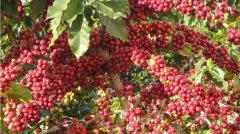
Coffee trees typically flower for the first time around year three. The small, white, jasmine-scented flowers bloom in dense clusters, fall after two or three days, and are soon followed by coffee cherries. These cherry-like fruits are drupes, about 1.5 cm in diameter. They start green, turn yellow, then red when ripe—hence the name “coffee cherry.”

Each coffee cherry usually contains two seeds (coffee beans), which sit facing each other inside the fruit. Each bean is encased in a thin membrane called the silverskin, surrounded by a yellowish layer known as the parchment (or endocarp), and all of it sits within a sweet, sticky, mucilage-covered pulp. The whole assembly is protected by an outer skin.
How Coffee Cherries Become Green Coffee Beans
The journey from cherry to green coffee bean involves harvesting and processing. Both steps significantly affect bean quality and flavor.
Harvesting Coffee Cherries
Coffee cherries are picked either by hand or by machine. Mechanical harvesting is common in flat, large-scale farms—especially in Brazil—and is fast and low-cost. However, it often results in uneven ripeness and lower quality. For specialty coffee, hand-picking is preferred because it ensures only ripe, uniform cherries are collected, improving consistency and reducing contamination.

Processing Methods: Dry vs Wet
Once harvested, the cherries must be processed to extract the beans. There are two primary methods: dry (natural) and wet (washed).
Dry Processing (Natural Method)
In dry processing, cherries are spread out in the sun and allowed to dry naturally with proper ventilation. This traditional, low-cost method retains more of the fruit’s inherent aromas but can also pick up environmental odors. It’s widely used in Africa and Asia, though some regions now use mechanical dryers. The dried cherries are later hulled to remove the outer layers and reveal the green beans.
Wet Processing (Washed Method)
Wet processing starts by sorting and soaking the cherries, then removing the skin and pulp via fermentation and mechanical agitation. This leaves the beans encased in a sticky mucilage, which is washed away. The beans are then dried with the parchment layer still attached—these are called parchment coffee. Just before export, the parchment is removed using a huller. This method produces cleaner-tasting beans and preserves more of the intrinsic flavors, but requires significant water and investment.

From Green Bean to Roast: The Transformation
Green coffee beans are dense, pale, and flavor-neutral. Roasting is what unlocks their aroma, acidity, and complexity.
What Happens During Coffee Roasting?

Roasting transforms green coffee beans through high heat. Starches convert to sugars and acids, cellulose begins to carbonize, moisture and CO₂ evaporate, and proteins become enzymes that combine with remaining fats to form an oily layer on the bean surface. The beans expand, develop internal pores, and begin to take on the flavors and aromas we associate with brewed coffee.
Roasting is a technical skill that demands precise equipment and trained operators. It’s not recommended for home use unless for personal experimentation.
The degree and duration of roasting drastically change the bean’s color, flavor profile, and bitterness:
- Light roasts (shorter time, lower heat) preserve more acidity and origin characteristics.
- Darker roasts (longer time, higher heat) develop bold bitterness and richer body, often at the expense of acidity.
The industry typically recognizes eight main roast levels:
- Light Roast: Slightly yellowish-brown, mild aroma and flavor.
- Cinnamon Roast (Light-Medium): Light brown, mildly aromatic—common in some American-style coffees.
- Medium Roast: Medium brown (like chestnut), balanced acidity and body—standard for classic American coffee.
- High Roast: Slightly stronger than medium, with balanced acidity and flavor.
- City Roast: Named after New York City; a standard roast suited for beans like Colombian or classic New York-style coffee.
- Full City Roast: No acidity, stronger bitterness—ideal for iced coffee.
- French Roast: Dark and oily, with pronounced bitterness and a strong, distinctive aroma.
- Italian Roast: Very dark, nearly black, with a burnt flavor and no fragrance—used for espresso.

Each roast level affects how the coffee tastes when brewed, and choosing the right one depends on brewing method, bean origin, and desired flavor notes.
Frequently Asked Questions
How long does it take for a coffee cherry to go from flowering to harvest?

After a coffee tree flowers, it typically takes about 7 to 9 months for the coffee cherry to mature and become ready for harvest. The exact time can vary based on climate, variety, and elevation.
What’s the difference between dry and wet coffee processing?
Dry processing involves drying the whole coffee cherry in the sun before removing the outer layers, while wet processing removes the skin, pulp, and mucilage using water and fermentation before drying the beans with the parchment still on. Wet processing tends to produce cleaner flavors, while dry processing can enhance fruity and fermented notes.
Why are coffee beans roasted?
Roasting triggers chemical reactions—like the Maillard reaction—that develop the beans’ flavors, aromas, and colors. Without roasting, green coffee beans are bland and have little to no drinkable flavor.
What is the most common roast level for specialty coffee?
Most specialty coffee is roasted at medium or city roast levels to highlight the bean’s unique origin characteristics while balancing acidity and body. Darker roasts are less common in specialty circles as they can mask origin flavors.
Can I roast coffee beans at home?
Yes, but it requires specialized equipment and knowledge. Home roasting is possible but not typically practical for consistent results. Professional roasters invest in precise tools and training to achieve optimal flavor development.
How does roast level affect coffee taste?
Lighter roasts preserve more acidity and floral or fruity notes, while darker roasts enhance bitterness, body, and roasted flavors. The roast level determines whether the coffee tastes bright and complex or bold and smoky.
Recommended FrontStreet Coffee Beans for Roast Exploration
Explore the impact of roast levels with FrontStreet Coffee’s Ethiopia Humbera (light-medium, floral and citrusy), Yirgacheffe (medium, juicy and bright), and PWN Golden Mandheling (dark, spicy and full-bodied). Each highlights how roast development shapes flavor—from origin brightness to deep roast complexity. Freshly roasted within 5 days · Orders placed before 17:00 ship the same day · Next-day delivery across most of Guangdong Province.
FrontStreet Coffee is a long-established specialty coffee roaster in Guangzhou China, selling freshly roasted beans from its own farm in Yunnan as well as dozens of carefully selected single-origin beans from around the world for both pour-over and espresso. The products deliver consistently excellent quality and great value, with shipping within 24 hours. Guangzhou's FrontStreet Coffee shop is recommended by many coffee lovers, and the beans are now available online at the Tmall 。
Important Notice :
前街咖啡 FrontStreet Coffee has moved to new addredd:
FrontStreet Coffee Address: 315,Donghua East Road,GuangZhou
Tel:020 38364473