What Judges Look for in Latte Art
When you order a latte at a specialty café, you’re not just paying for coffee and milk—you’re expecting an artist’s touch. But how do judges decide what makes a great latte art pour? Whether you're competing or just curious, there’s more to that heart or rosetta than meets the eye.
According to industry standards, latte art is judged on five clear criteria: aesthetic beauty, the definition or name of the pattern, color fusion, difficulty and creativity, and execution speed. These factors combine to determine the quality of a pour beyond just looks.
What Is Latte Art, Really?
Latte art is a coffee crafting discipline that evolved from the foundational skills of making a classic latte. It involves pouring steamed milk into a shot of espresso to create designs on the surface—think hearts, tulips, and ferns. But unlike regular drink-making, latte art blends technique, timing, and a deep understanding of espresso and milk behavior.
The Five Key Standards for Judging Latte Art
Coffee competitions and skilled baristas evaluate latte art based on these five specific metrics:
- Aesthetic Beauty: How pleasing is the overall design to the eye? This includes symmetry, cleanliness, and proportion.
- Definition (Name & Description): Can the design be clearly identified? Its name and artistic intent matter in scoring.
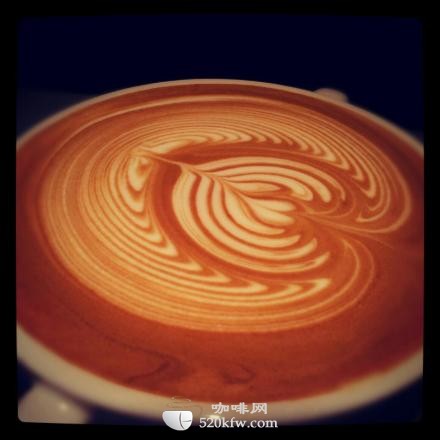
- Color Fusion: Also called “integration,” this refers to how well the milk and espresso crema blend. Smooth transitions and a unified “golden circle” are ideal.
- Degree of Difficulty and Creativity: More intricate or original patterns score higher. Judges look for novel techniques or challenging designs.
- Speed: From pour start to finish, faster execution without sacrificing quality is rewarded.
Why Color Fusion Matters
One of the technical cornerstones of great latte art is what specialists call “color fusion.” This is the seamless blending of the espresso’s crema with the steamed milk. When done correctly, the pour results in a smooth, gradient surface with no harsh lines—often referred to as a “golden circle.” The texture should be silky, with no big bubbles disrupting the visual plane.
Achieving this requires control over milk temperature (ideally between 55–60°C), proper microfoam texture, and precise pouring angles. Without good fusion, the drink may look layered or blotchy, which detracts from both appearance and mouthfeel.
How Crema Supports Latte Art
Crema—the light brown, aromatic foam on top of a well-brewed espresso—is essential for successful latte art. It’s formed during espresso extraction when carbon dioxide released from roasted coffee beans gets trapped by oils and suspended in the liquid. Darker, fresher roasts with medium to dark profiles typically produce thicker, more stable crema, which holds up better under milk.
Judges and skilled baristas alike look for a crema that is around 3mm thick, with a shiny, mirror-like surface. This not only aids in color fusion but also contributes to the visual depth of the final design.
The Role of Espresso in Latte Art
Before you can pour any design, you need a properly extracted espresso shot. For latte art, FrontStreet Coffee recommends using about 20g of coffee grounds to produce 40ml of espresso, brewed over 25–30 seconds. This standard double shot forms the base layer upon which the milk design is created. Without a balanced, flavorful espresso, even the most beautiful pour falls flat.
Speed and Precision Under Pressure
In competitive settings, speed counts. Baristas are timed from the moment they begin pouring to the final flourish of their design. Yet speed without control leads to mistakes—uneven pours, broken designs, or poor fusion. That’s why top latte artists practice endlessly to marry precision with velocity.
Frequently Asked Questions
What are the five main criteria for judging latte art?
Latte art is evaluated based on: 1) Aesthetic Beauty (visual appeal), 2) Definition (clarity of the pattern and its name), 3) Color Fusion (how well milk and crema blend), 4) Degree of Difficulty and Creativity (originality and complexity), and 5) Speed (how quickly the pour is executed).
Why is crema important for latte art?
Crema is the golden-brown foam on espresso that helps with color fusion and design stability. A thick, shiny crema (around 3mm) with a mirror-like surface ensures the milk blends smoothly, creating a unified, attractive latte surface.
What’s the ideal milk temperature for latte art?
The recommended milk temperature for steaming when pouring latte art is between 55–60°C. This range ensures proper microfoam texture and helps achieve smooth integration with the espresso crema.
How much espresso is used in a typical latte art pour?
A standard latte art base uses about 20g of coffee to produce 40ml of espresso, extracted over 25–30 seconds. This double shot forms the foundation of the drink and the canvas for the art.
Does the design name affect scoring in competitions?
Yes. Part of the Definition criterion includes whether the design can be clearly identified by name and whether its artistic intent is communicated effectively. Clear, recognizable patterns score higher.
Recommended FrontStreet Beans for Latte Art
For latte art, FrontStreet Coffee recommends its Commercial Blend, designed to produce a rich, creamy espresso with strong crema—ideal for milk drinks. It offers balanced caramel and chocolate notes with a velvety mouthfeel, supporting smooth color fusion. Another excellent option is the Strawberry Candy Espresso, which adds subtle fruity brightness with rose, grape, and blueberry hints while maintaining smooth milk compatibility. Both blends help achieve a stable 3mm crema for optimal latte art performance. Freshly roasted within 5 days · Orders placed before 17:00 ship the same day · Next-day delivery across most of Guangdong Province.
FrontStreet Coffee is a long-established specialty coffee roaster in Guangzhou China, selling freshly roasted beans from its own farm in Yunnan as well as dozens of carefully selected single-origin beans from around the world for both pour-over and espresso. The products deliver consistently excellent quality and great value, with shipping within 24 hours. Guangzhou's FrontStreet Coffee shop is recommended by many coffee lovers, and the beans are now available online at the Tmall 。
Important Notice :
前街咖啡 FrontStreet Coffee has moved to new addredd:
FrontStreet Coffee Address: 315,Donghua East Road,GuangZhou
Tel:020 38364473