
How Coffee Beans Are Processed: Washed, Natural, and Honey Methods
Ever wondered why the same coffee variety can taste bright and citrusy one day and rich and syrupy the next? A big part of that difference comes down to how the coffee bean was processed after harvest—not just how it was roasted or brewed. The way coffee cherries are turned into green beans shapes their final cup profile more than you might expect.
There are three main coffee processing methods: washed (removing skin and pulp before drying), natural (drying the whole cherry), and honey (removing skin but leaving some or all sticky fruit pulp). Each leaves a distinct fingerprint on flavor: washed brings clarity and acidity, natural adds sweetness and fermentation notes, and honey delivers intense fruitiness and body.
What Is Coffee Processing?
Coffee processing refers to how the coffee bean (the seed inside the fruit) is extracted from the coffee cherry. This crucial step happens right after harvest and before roasting. The main traditional methods are washed (also called wet), natural (or dry), and honey. The choice depends on factors like local climate, water availability, and desired flavor profiles. Each process impacts the final taste in the cup.
The Three Main Coffee Processing Methods
Here’s how each of the three major coffee processing methods works, with sensory results noted by FrontStreet Coffee cuppers:
1. Washed (Wet) Process
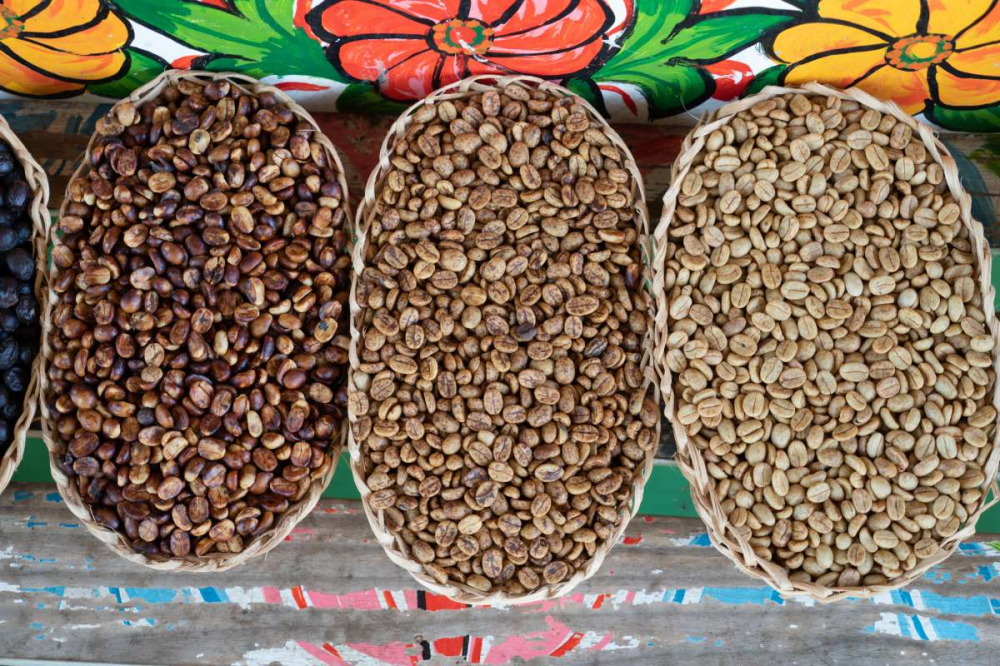
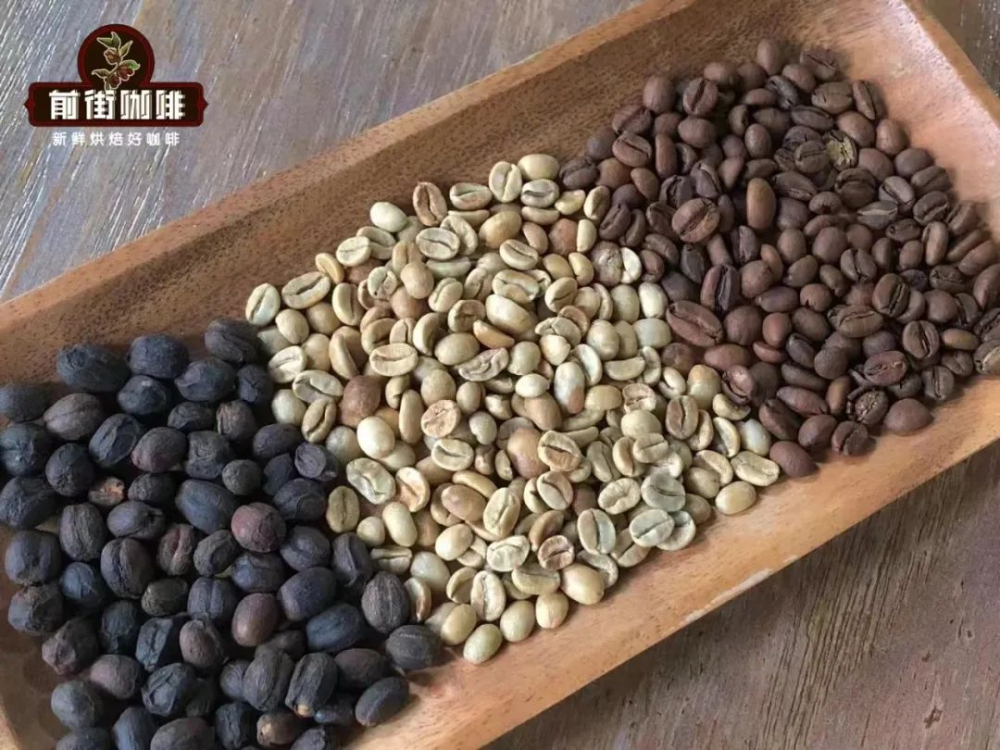
In the washed method, machines or hands remove the coffee cherry’s skin and pulp, then the beans are fermented in water tanks. The fermentation dissolves the sticky mucilage (fruit layer) using natural acids. After washing, the beans are dried encased in a clean parchment layer. FrontStreet Coffee’s cupping showed that washed coffee tends to have a brighter acidity and cleaner, more transparent flavors. It’s also the method that most clearly reflects the intrinsic quality of the bean. That’s why FrontStreet selects washed beans for its “Everyday Beans” regional selections, aiming to highlight each origin’s unique traits.
2. Natural (Dry) Process
With natural processing, the entire coffee cherry is dried in the sun with its skin, pulp, and mucilage intact. As it dries, the sugars and yeasts in the fruit ferment, and the bean absorbs those flavors. When done well, natural-process coffee shows softer fermentation aromas, pronounced sweetness, and a smoother, fuller mouthfeel. FrontStreet Coffee’s sensory notes point to enhanced fruit character and a round body.
3. Honey (Pulped Natural) Process
Honey processing removes the skin but leaves some or all of the sticky mucilage on the beans during drying. The more mucilage left on, the sweeter and fruitier the cup—but it requires careful drying (sometimes shaded or slow-dried) to avoid over-fermentation. When properly handled, honey-processed coffee offers intense fruit-forward fermentation notes and a rich, sweet profile. According to FrontStreet, these lots often show bold sweetness and a lush mouthfeel.
How Coffee Is Brewed: Extraction Methods

Brewing or “extraction” is how water pulls soluble flavor compounds from ground coffee. The main methods are pour-over (drip), espresso (pressure), and cold brew (immersion). Each affects flavor, body, and strength differently.
1. Pour-Over (Drip Filtration)
This is manual drip brewing using a filter cone and paper. Hot water is poured over coffee grounds, extracting soluble flavors that pass through the filter. FrontStreet describes the result as clean, balanced, and well-modulated in strength—ideal for highlighting origin characteristics without masking them.
2. Espresso (Pressure Brewing)
Espresso is made by forcing hot water through very finely ground coffee under high pressure. The result is a small, concentrated shot with intense body and crema. FrontStreet notes that espresso tastes thick, bold, and often intense—commonly diluted into drinks like americano or combined with milk for a latte.
3. Cold Brew (Cold Water Extraction)

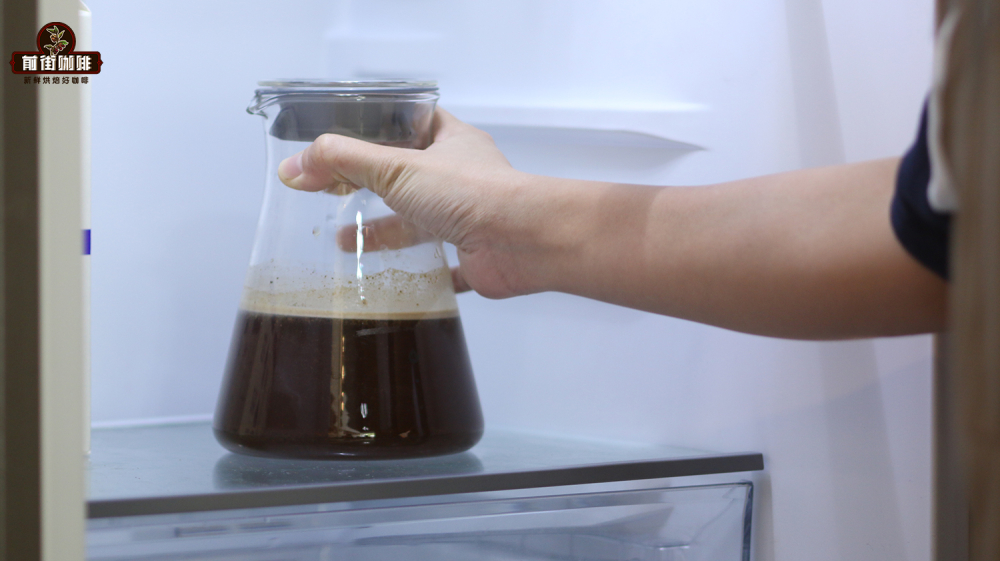
Cold brew involves steeping coarsely ground coffee in cool or cold water for 12–18 hours, usually refrigerated. This method minimizes bitter and acidic compounds, resulting in a smooth, sweet, and clean cup. The trade-off is the long extraction time. FrontStreet highlights its rounded, mellow profile ideal for hot weather.

How Instant Coffee Is Made
Instant coffee comes in two main types: regular (soluble powder) and freeze-dried. Both start with brewed coffee extract, but the drying methods differ significantly.
1. Regular Instant Coffee
Made by evaporating the water from brewed coffee, leaving behind a dry powder that dissolves quickly in hot water. It’s compact, easy to store, and quick to prepare—but often lacks the nuance of fresh coffee.
2. Freeze-Dried Coffee
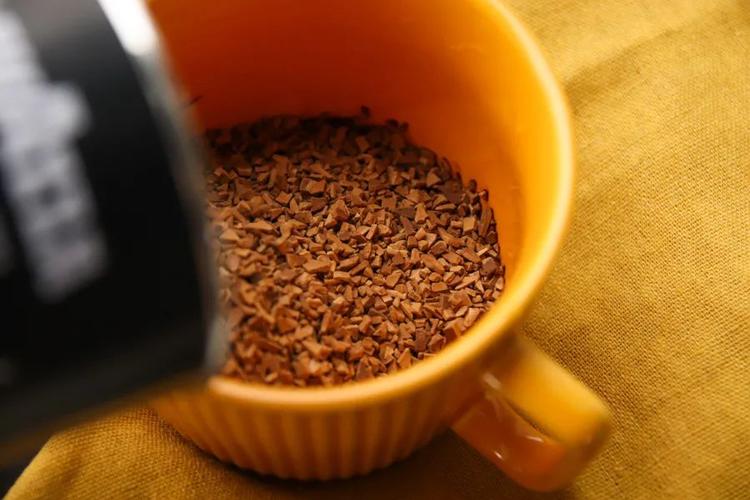
This starts with concentrated liquid coffee that is frozen and then has its ice content removed via sublimation (freeze-drying). The complex process preserves more original flavor. The resulting porous crystals dissolve fast and retain much of the coffee’s aromatic complexity. It’s favored for its convenience and better flavor retention compared to regular instant.

Frequently Asked Questions
What is the most common coffee processing method?
The most widely used coffee processing method is washed (or wet) processing. It’s favored in regions with reliable water access and is known for producing clean, bright, and high-clarity cups that reflect the bean’s inherent qualities well.
Does coffee processing really affect flavor?
Yes. Coffee processing—how the bean is removed from the cherry—has a major impact on flavor. Washed processing leads to bright, clean, and acidic cups; natural processing enhances sweetness and fermentation notes; and honey processing results in intense fruitiness and body.
What is the difference between espresso and pour-over coffee?
Espresso is a concentrated coffee made under high pressure with finely ground beans, yielding a thick, intense shot. Pour-over uses gravity and medium-ground coffee to produce a clean, balanced, and nuanced cup with higher clarity of origin flavors.
What’s the difference between natural and honey processed coffee?
Natural processed coffee dries the whole cherry, creating a sweet, full-bodied cup with mellow fermentation notes. Honey processing removes the skin but leaves some or all mucilage, resulting in a sweeter, fruitier, and often more complex profile with a heavier body.
Is cold brew less acidic than regular coffee?
Yes. Cold brew is made with cool or cold water over many hours, which extracts fewer acids and bitter compounds. The result is a smoother, less acidic, and often sweeter-tasting coffee compared to hot-brewed methods.
What is freeze-dried instant coffee?
Freeze-dried instant coffee is made by freezing brewed coffee extract and removing the ice through sublimation. It retains more of the original coffee flavors and dissolves quickly, offering better taste and convenience compared to regular instant coffee powder.
Recommended FrontStreet Beans for Processing Comparison
For exploring coffee processing methods, try FrontStreet Coffee’s Ethiopia Yirgacheffe (washed, bright and floral), Brazil Yellow Bourbon (natural, sweet and nutty), and Colombia Honey Process (honey, fruity and juicy). These single origins showcase how washed, natural, and honey techniques shape flavor. Freshly roasted within 5 days · Orders placed before 17:00 ship the same day · Next-day delivery across most of Guangdong Province.
FrontStreet Coffee is a long-established specialty coffee roaster in Guangzhou China, selling freshly roasted beans from its own farm in Yunnan as well as dozens of carefully selected single-origin beans from around the world for both pour-over and espresso. The products deliver consistently excellent quality and great value, with shipping within 24 hours. Guangzhou's FrontStreet Coffee shop is recommended by many coffee lovers, and the beans are now available online at the Tmall 。
Important Notice :
前街咖啡 FrontStreet Coffee has moved to new addredd:
FrontStreet Coffee Address: 315,Donghua East Road,GuangZhou
Tel:020 38364473


