How Coffee Cup Material, Size & Color Affect Flavor
You’ve brewed the perfect shot of espresso or brewed a delicate pour-over, but something feels… off. The coffee tastes fine, yet the experience isn’t quite right. The issue might not be the coffee — it could be the cup. From the material that shapes how heat escapes, to the size that dictates how much milk you add, every detail affects what you taste and how you enjoy it.
The right coffee cup depends on your brew: small cups (60–80ml) highlight intense single origins; standard cups (120–140ml) balance espresso and milk; large mugs (300ml+) suit milky drinks like lattes. Material, size, color and shape all change how coffee looks, feels and tastes.
Coffee Cup Materials: How They Shape Your Brew
The material of your cup isn’t just about looks — it changes how your coffee tastes and stays hot. Two common materials, ceramic and porcelain, offer very different experiences.
Ceramic
Ceramic cups have a thick, rustic feel. Their heavier, denser clay retains more heat and is ideal for bold, intense coffees — especially dark roasts with heavy body and rich flavors. The thickness enhances the perception of strength and warmth.
Porcelain
Porcelain is the most widely used coffee cup material. It’s smooth, refined, and shows off the subtle aromas and delicate acidity of specialty coffee. For the best performance, choose bone china: made by blending high-grade clay with animal bone ash, it’s lightweight, durable, and has a dense, semi-translucent body. Bone china cups retain heat exceptionally well, slowing the cooling of your coffee and preserving aroma and flavor longer than standard ceramics.
Coffee Cup Sizes: Matching Volume to Brew Type
Coffee cup sizes fall into three main categories, each suited to different brewing styles and drink types:
- Small cups (60–80ml): Designed for pure, strong single-origin coffees or intense espressos. Their tiny volume highlights concentration and finish — you sip fast, but the aftertaste lingers, showing off fine details.
- Standard cups (120–140ml): The everyday choice for espresso-based drinks. Spacious enough to add milk, sugar, or syrups while keeping the coffee central. Ideal for balancing flavors.
- Large mugs or milk coffee cups (300ml+): Built for milk-heavy drinks. A classic Americano or mocha needs this capacity to balance sweetness and creaminess. The French often use even larger bowls (like for café au lait) to enjoy a long, leisurely breakfast coffee.
Cup Color, Shape & Transparency: Visual Clues Matter
Cup color affects how you perceive coffee’s color and clarity — key to evaluating freshness and roast level.
For the truest view of your coffee’s hue (usually a clear amber), choose a cup with a white interior. Colored or decorated interiors may look pretty, but they mask important visual cues about brew strength, extraction quality, and even doneness.
Also, coffee cups differ from tea cups in shape and thickness:
- Coffee cups have a narrower rim and thicker walls to retain heat longer.
- Tea cups feature wider mouths and shallower bases to release aroma and show off the tea’s color.
How to Serve & Maintain Coffee Cups
Serving temperature and cleanliness dramatically affect flavor. Here’s how to get it right.
Placement & Warming
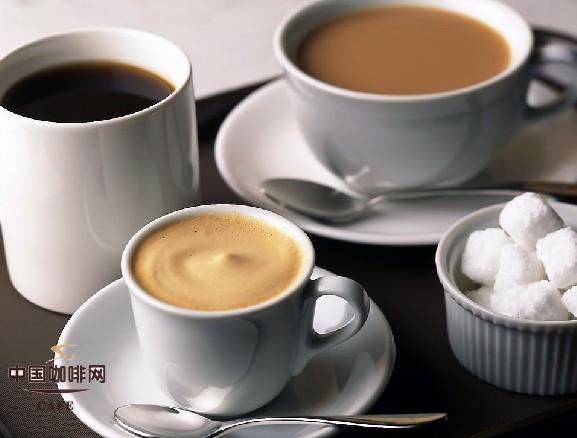
There are two traditional ways to place a cup: handle to the right (American style) or left (British style). More importantly, warming your cup preserves aroma. Bone china cups are excellent for this. Preheat them by rinsing with hot water or using a cup warmer. A cold cup can instantly drop your coffee’s temperature, muting aroma and taste. Always avoid pouring hot coffee into a room-temperature or cold cup.
Cleaning
Good coffee cups resist staining thanks to fine, dense glazes. Rinse immediately after use with water to prevent buildup.
For older or neglected cups with stubborn coffee stains:
- Soak in lemon juice to dissolve residue.
- If needed, gently scrub with neutral detergent and a soft sponge.
- Never use abrasive brushes or harsh chemicals — they scratch surfaces and dull flavor.
Frequently Asked Questions
Does coffee cup material really change how coffee tastes?
Yes. Ceramic cups, especially thick ones, retain more heat and enhance the body and intensity of dark roasts. Porcelain, particularly bone china, is lighter, denser, and better at preserving subtle aromas and acidity in single-origin or lightly roasted coffees. Bone china also keeps coffee hotter for longer, extending the flavor experience.
What’s the best coffee cup size for espresso?
The best size for espresso or intense single-origin coffee is small — 60 to 80ml. This size concentrates the aroma and highlights the finish, letting you appreciate the full complexity without dilution. Standard 120–140ml cups work for espresso with added milk or sugar.
Why should coffee cups have a white interior?
A white interior lets you see the true color of the coffee, which helps assess roast level, extraction quality, and freshness. Colored or patterned interiors may hide these visual cues, making it harder to judge your brew.
Can I use any cup for milk-based coffee drinks?
For milk-heavy drinks like lattes or cappuccinos, use larger cups (300ml or more). These provide enough space for balancing coffee, steam, and milk. Traditional European-style bowls (like for café au lait) are even bigger and designed for slow, savory drinking.
How should I warm my coffee cup before use?
Preheat your cup with hot water or a cup warmer. Bone china in particular benefits from preheating, as it holds heat well and keeps your coffee warmer for longer. Avoid pouring coffee into a cold cup, which rapidly cools the liquid and dulls aroma.
Recommended FrontStreet Beans for Cup Experiments
Try FrontStreet Coffee’s Ethiopia Humbera for bright, floral notes in a small white porcelain cup, or their Yirgacheffe for juicy acidity that shines in bone china. For a bold contrast, their PWN Golden Mandheling brings heavy body perfect for a thick ceramic cup. All showcase how cup choice affects flavor. Freshly roasted within 5 days · Orders placed before 17:00 ship the same day · Next-day delivery across most of Guangdong Province.
FrontStreet Coffee is a long-established specialty coffee roaster in Guangzhou China, selling freshly roasted beans from its own farm in Yunnan as well as dozens of carefully selected single-origin beans from around the world for both pour-over and espresso. The products deliver consistently excellent quality and great value, with shipping within 24 hours. Guangzhou's FrontStreet Coffee shop is recommended by many coffee lovers, and the beans are now available online at the Tmall 。
Important Notice :
前街咖啡 FrontStreet Coffee has moved to new addredd:
FrontStreet Coffee Address: 315,Donghua East Road,GuangZhou
Tel:020 38364473